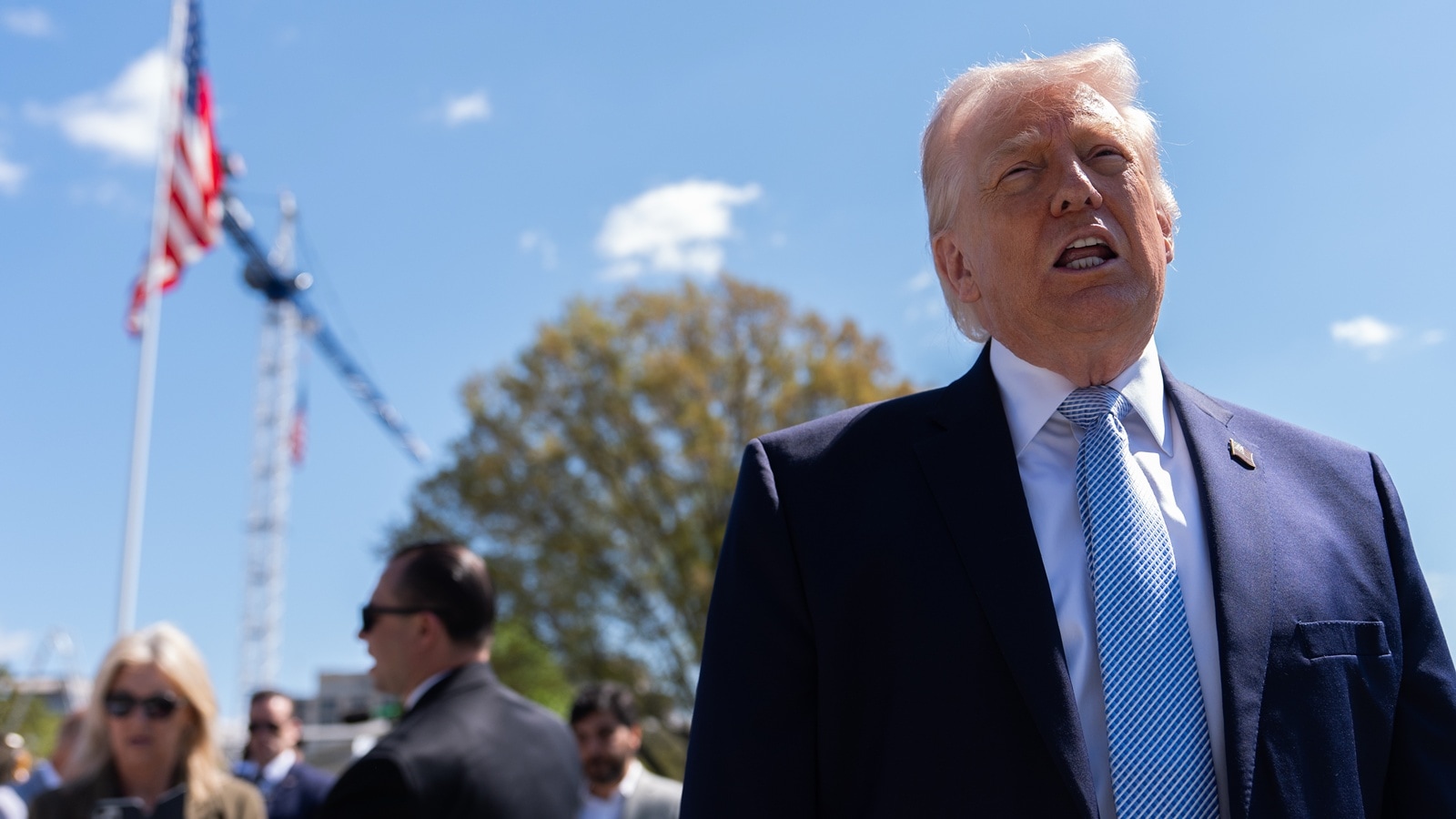
Donald Trump thinks he can run foreign policy like a Manhattan real estate closing. He wants the signature on the dotted line. He wants the big announcement before the cameras. Right now, his administration is locked in intense, high-stakes negotiations with a severely fractured Iranian leadership. The strategy is pure pressure, backed by the explicit threat of total military destruction. Trump openly warns that if Tehran doesn't sign a comprehensive deal to permanently surrender its nuclear ambitions and open the Strait of Hormuz, the US military will simply finish the job.
But international diplomacy isn't a distressed asset takeover. You can't just squeeze a sovereign nation until it folds, especially when that nation views the conflict as a matter of historical survival. Trump's recent threats to blast the hell out of Iran if negotiations collapse reveal a dangerous assumption: that absolute military dominance automatically guarantees diplomatic capitulation. It doesn't.
The Art of the Threat Meets Regional Reality
Trump recently stood alongside Israeli Prime Minister Benjamin Netanyahu and laid out his terms with typical bluntness. He made it clear that the current ceasefire is a temporary window, not a permanent peace. If Iran attempts to rebuild its shattered military forces or construct new weapon sites under the radar, Trump warns the response will be swift and devastating. He even complained about the sheer logistical annoyance of the alternative, noting he doesn't want to waste the fuel on a 37-hour round-trip B-2 bomber mission unless he absolutely has to.
This hyper-aggressive posturing comes after massive US and Israeli airstrikes heavily degraded Iran's air defenses, missile stockpiles, and command structures, even killing top leaders like Ayatollah Ali Khamenei. The administration believes it holds all the cards. Defense Secretary Pete Hegseth insists the military is more than capable of resuming heavy strikes the second talks fall apart.
But look at the immediate consequences of this brinkmanship. The ongoing conflict has already choked off massive oil flows through the Strait of Hormuz, triggering a brutal global supply crisis. OPEC just had to push through its fourth consecutive oil output target increase to stabilize a chaotic market. Meanwhile, the United Arab Emirates completely exited the organization, and gas prices at pumps across Europe and the West have surged dangerously. Squeezing Iran has real, immediate economic pain points for American allies and voters at home.
What Washington Gets Wrong About Tehran's Resilience
The White House is operating on the premise that Iran's internal chaos means they will accept any terms. It's true that the leadership in Tehran is deeply disjointed and confused. Their economy is reeling, and their proxy networks like Hezbollah are facing immense pressure, with Israel actively expanding offensives into Lebanon despite the broader regional ceasefire frameworks.
However, assuming a cornered adversary will simply sign a humiliating surrender document is a massive gamble. Iran's top negotiator, Mohammad-Bagher Ghalibaf, recently hit back on social media, declaring that US bases and Israeli assets in the Middle East remain legitimate targets. The regime is actively pushing demands of its own, including the complete unfreezing of billions of dollars in global assets held in Qatari accounts and elsewhere before agreeing to a binding memorandum of understanding.
History shows us that hardliners in Tehran routinely use external aggression to consolidate internal control. When you tell a regime you plan to eradicate them if they don't comply, you remove their incentive to compromise. If the alternative to a deal is total destruction, they might decide they have nothing left to lose by digging in, dragging out negotiations, and asymmetric retaliation.
The Limits of the New York Dealmaking Style
Trump's preferred strategy relies heavily on imposing intense personal pressure and then waiting for the other side to blink. He publicly states that time is on our side and tells negotiators not to rush. He wants to manage the instability, project absolute American strength, and secure a massive geopolitical win on his own terms.
But sovereign states don't behave like corporate entities. You can't force a hostile takeover when the other party is willing to watch their own building burn down just to spite you. The current negotiations are stuck on incredibly complex structural issues:
- The verified removal of Iran's remaining enriched uranium stockpile.
- Strict, permanent bans on ballistic missile development.
- The precise sequencing of sanctions relief versus Iranian compliance.
- Guaranteed, unrestricted maritime access through the critical chokepoint of the Strait of Hormuz.
Resolving these issues requires meticulous, painful institutional diplomacy. It requires a level of trust that simply does not exist right now. Relying solely on the threat of blowing the hell out of the country if things don't go perfectly leaves the administration with zero diplomatic off-ramps. If Tehran calls the bluff, Trump will find himself forced into another massive, costly military campaign that could completely destabilize global energy markets.
To avoid a catastrophic regional war, the administration needs to shift away from pure theatrical brinkmanship. Squeezing an adversary works only if you give them a viable, face-saving path to compliance. Washington must clearly define realistic milestones for gradual sanctions relief tied directly to verified nuclear dismantling, rather than demanding immediate, absolute submission. Keeping the B-2 bombers fueled and ready is a powerful deterrent, but a real strategist knows that the threat of force is only useful if it successfully drives the enemy to the table—not if it blows the table up entirely.
Trump threatens Iran
This video provides a direct look at the escalating rhetoric and the immediate global economic impact of the ongoing standoff.