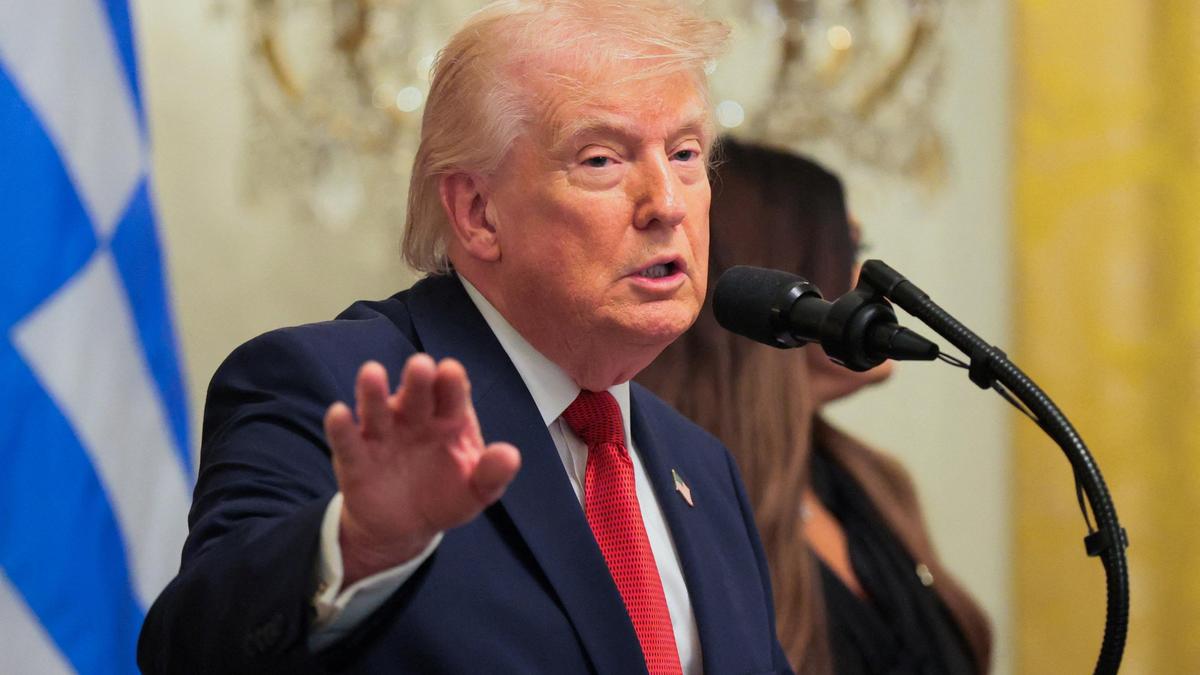
Donald Trump just blinked, or at least that’s how it looks from the outside. After weeks of posturing about turning Iran’s lights off, the White House has hit the pause button. The new deadline is April 6, 2026, at 8:00 PM Eastern Time. Trump claims he’s doing this as a favor to Tehran, but the reality on the ground is way more complicated than a Truth Social post suggests.
You’ve probably seen the headlines. The U.S. and Israel have been hammering Iran for nearly a month now. We’re on Day 28 of a conflict that’s already killed thousands and sent global oil markets into a tailspin. But the threat to "obliterate" Iran’s power plants—starting with the biggest ones first—is a different kind of beast. It’s a move that would move this from a military conflict to a humanitarian catastrophe overnight.
The logic behind the April 6 extension
Trump says the talks are "going very well." He even called the passage of eight tankers through the Strait of Hormuz a "present" from Iran. According to the administration, Tehran asked for more time to review a 15-point U.S. proposal delivered through Pakistani intermediaries. Trump, in his typical style, claimed they asked for seven days and he gave them ten.
But if you look at the reports coming out of the Wall Street Journal and Iranian state media, the story doesn't quite line up. Tehran is publicly denying they even asked for a pause. They're calling the U.S. terms "one-sided and unfair."
So why the delay? It’s likely a mix of three things:
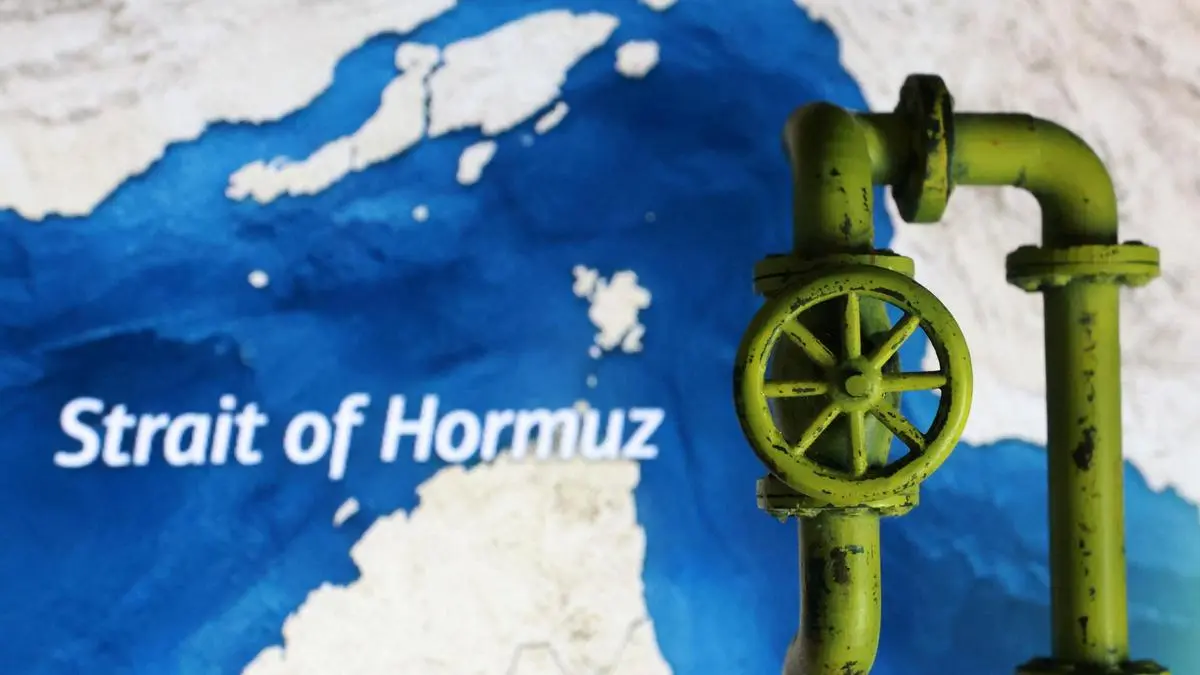
- The Hormuz Chokepoint: Iran still holds the cards in the Strait of Hormuz. One-fifth of the world's oil flows through there. If Trump hits the power plants, Iran has made it clear they’ll lay mines across the entire Gulf and target desalination plants in the UAE and Saudi Arabia.
- Military Logistics: Experts at TRT World and other outlets have pointed out that "obliterating" a power grid isn't a one-and-done mission. Iran’s grid is decentralized. It has over 130 thermal stations and 5,000 substations. To actually "plunge the country into darkness," the U.S. would need a sustained campaign involving hundreds of sorties, not just a few symbolic strikes.
- Internal Pressure: Even some of Trump's allies are nervous. NATO leaders have been lukewarm, with U.S. Secretary of State Marco Rubio openly complaining that Europe isn't doing its part. Domestically, the "maniacal tyrant" labels are starting to stick as human rights groups warn that hitting civilian infrastructure like hospitals and water plants is a textbook war crime.
What a strike on the Iranian grid would actually look like
If the April 6 deadline passes and the Tomahawks start flying, the impact won't just stay inside Iran's borders.
Iran's grid is built for resilience. The big targets are the Damavand plant (2,900 MW), the Neka plant, and the Rajaei plant. These are the "crown jewels" Trump is eyeing. But even if the U.S. knocks out the single largest plant, it only removes about 3–4% of the total national capacity. Iran can offset that almost immediately by cutting off its electricity exports to neighboring countries.
The real danger is the "cascade effect." If you hit the substations, you get localized blackouts. Those are easy to fix. But if you hit the control systems and the fuel supply chains simultaneously, you risk a systemic collapse. That doesn’t just mean people can’t charge their phones. It means:
- Desalination stops: Millions in the region depend on these plants for drinking water.
- Hospitals go dark: Generators only last so long.
- Nuclear risks: The IAEA has already warned that strikes near energy infrastructure could lead to "radiological accidents" if power to cooling systems is cut.
The 15 point proposal and the Iranian counter
Steve Witkoff, the U.S. special envoy, confirmed that a formal proposal is on the table. We don't have the full text, but we know the gist. The U.S. wants the Strait of Hormuz fully reopened and Iran’s nuclear program effectively dismantled.
Iran’s response through the Tasnim News Agency wasn't a "yes." They want:
- Recognition of their authority over the Strait of Hormuz.
- Formal reparations for the damage caused in the last 28 days.
- A guarantee that the U.S. and Israel won't resume strikes.
It's a classic standoff. Trump is using the power grid threat as his ultimate leverage, while Iran is using the global oil supply as theirs.
The human and economic toll so far
While the politicians argue over deadlines, the numbers are getting grim.
- 1,900+ dead in Iran.
- 1,000+ dead in Lebanon.
- Wall Street just had its biggest loss of the war.
- Energy prices are spiking, fueling inflation that the U.S. administration is struggling to contain.
In Abu Dhabi, missile debris from intercepted Iranian fire has already claimed lives, including an Indian and a Pakistani national. This isn't just a "contained" war anymore. It's leaking into the entire Gulf.
Don't expect a clean resolution on April 6
Trump likes to set these dramatic deadlines because they create "must-see" moments in the news cycle. We saw it on March 22, and we’re seeing it again now. But don't be surprised if April 6 comes and goes with another "productive" delay.
The military reality is that a full-scale strike on the power grid is a "no-turning-back" move. Once you destroy a nation's ability to provide water and light to its people, you've moved past a strategic war and into a total war.
If you're watching the markets or the news, keep an eye on the Strait of Hormuz tanker traffic. That’s the real barometer. If those eight "present" tankers turn into a steady stream, the strikes won't happen. If the Strait closes again, April 6 will be a very dark night.
Check the latest shipping data on the Strait of Hormuz and monitor the Brent Crude price index—those will tell you more about the likelihood of strikes than any social media post.