Viktor Orbán is out. That's the sentence that rocked the geopolitical world this week. After sixteen years of turning Hungary into his personal playground, the man who styled himself as the "illiberal" vanguard of Europe finally hit a wall. Péter Magyar, the charismatic former insider who turned on his own tribe, didn't just win the April 2026 election—he crushed it. With a two-thirds supermajority, Magyar has the kind of mandate most politicians only dream of.
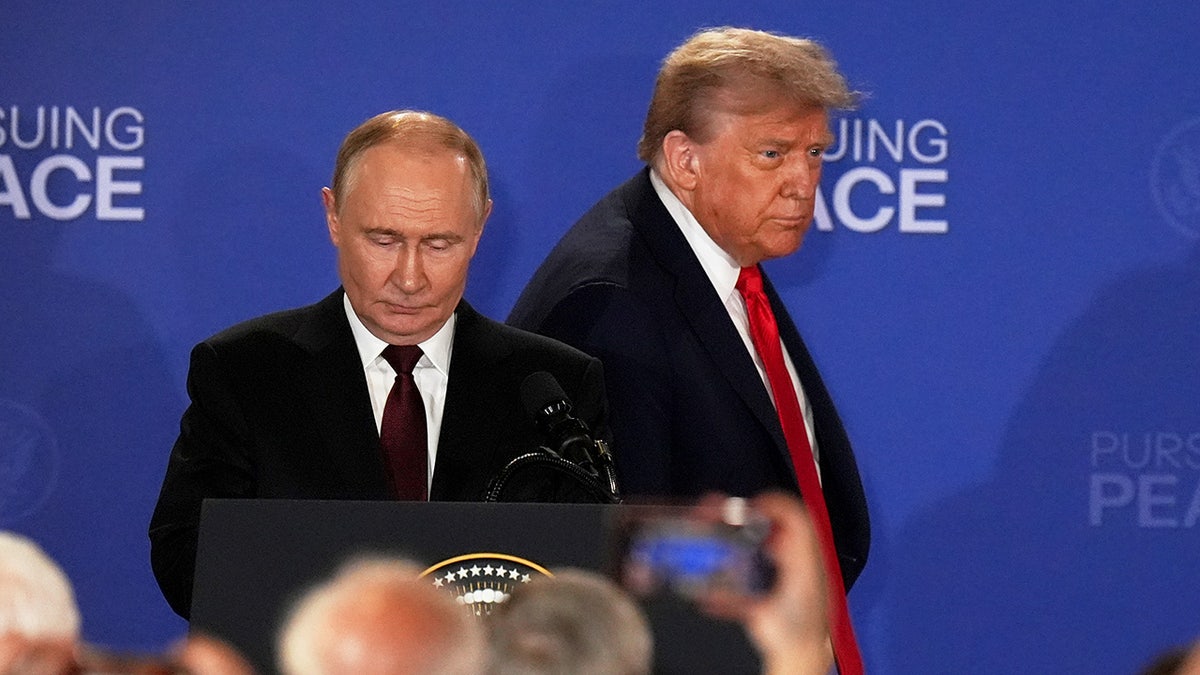
But here's the weird part. You’d think Donald Trump and Vladimir Putin, who treated Orbán like their favorite nephew, would be throwing a tantrum. Instead, they’re playing a very careful, pragmatic game of "let’s be friends." It isn't because they love Magyar. It’s because they don’t have a choice.
The awkward pivot from Mar-a-Lago to Budapest
For years, Budapest was the intellectual capital of the MAGA movement. Donald Trump didn't just like Orbán; he used him as a blueprint. Just last week, Trump sent JD Vance to Hungary to stump for the incumbent. It didn't work. The voters were tired of the corruption, the stagnant wages, and the constant fighting with the European Union.
Now, Trump is facing a reality where his closest ally in Europe is gone. If you're Trump, you can't afford to lose Hungary as a foothold in the EU. So, the rhetoric has shifted. The MAGA camp is signaling that they're ready to work with anyone who puts "sovereignty" first. Magyar fits the bill, even if he's much more pro-EU than his predecessor. He's still a conservative. He still talks about "family values." For Trump, it's about keeping a door open in a room where everyone else wants to shut him out.
Why Putin isn't panicking yet
Vladimir Putin is the ultimate pragmatist. While Orbán was a reliable "spoiler" within NATO and the EU, Putin knows that geography is destiny. Hungary is landlocked. It’s tethered to Russian pipelines like an IV drip. Magyar acknowledged this almost immediately after his win, stating that Hungary's "geographical position is not going to change."
The Kremlin’s response has been uncharacteristically polite. Dmitry Peskov said they "respect the choice" of the Hungarian people. Why? Because Magyar, despite his pro-European leanings, has already said he’d lift sanctions on Russia "immediately" if the war in Ukraine ends. He’s also wary of Ukraine’s fast-track accession to the EU. Putin sees a leader he can negotiate with—not a friend, but a business partner.
The Magyar tightrope walk
You're probably wondering how Magyar can satisfy the EU, Trump, and Putin all at once. The answer is he probably can't. But he’s going to try. He’s already signaled a few key moves that show his "Hungary First" strategy:
- Restoring the Rule of Law: He needs the €19 billion in frozen EU funds. To get them, he has to clean up the judiciary and the media landscape that Orbán spent a decade breaking.
- Energy Diversification: He wants to end the total reliance on Russian oil, but he knows it’ll take years. He won't cut the cord until he has a replacement.
- Ukraine Diplomacy: He views Ukraine as the victim but won't sign a blank check. He’s already refused to contribute to certain EU loan packages, citing Hungary’s own economic "devastation."
It’s a balancing act that requires a level of political gymnastics we haven't seen in Central Europe for a long time.
What this means for the average voter
If you’re watching this from the outside, don't expect Hungary to become a standard-issue liberal democracy overnight. Magyar is a populist. He’s just a different flavor of populist than Orbán. He’s younger, he’s sharper, and he’s much more attuned to how the modern world works.
The real test will be how he handles the "supermajority" power. In Hungary, a two-thirds majority means you can change the constitution whenever you feel like it. Orbán used that power to entrench himself. Magyar says he’ll use it to set a two-term limit for prime ministers—effectively making sure nobody, including himself or Orbán, can rule forever.
The immediate next steps for the new government
The transition of power is scheduled for early May. If you're tracking the impact on the markets or international relations, keep an eye on these three things. First, the first official phone call between Magyar and the White House will tell us if Trump is genuinely moving on from Orbán. Second, watch for the "rule of law" reforms in the Hungarian parliament; if they move fast, the EU money flows back in, and the Hungarian Forint will likely surge. Finally, pay attention to the energy summits. If Magyar starts signing deals with Azerbaijan or Croatia for gas, Moscow's "respectful" tone might turn sour very quickly.
This isn't just a change in leadership. It’s a total regime change in the heart of Europe. Trump and Putin are trying to stay relevant in a country that just decided it was done being a pawn in their games. Honestly, it’s about time.