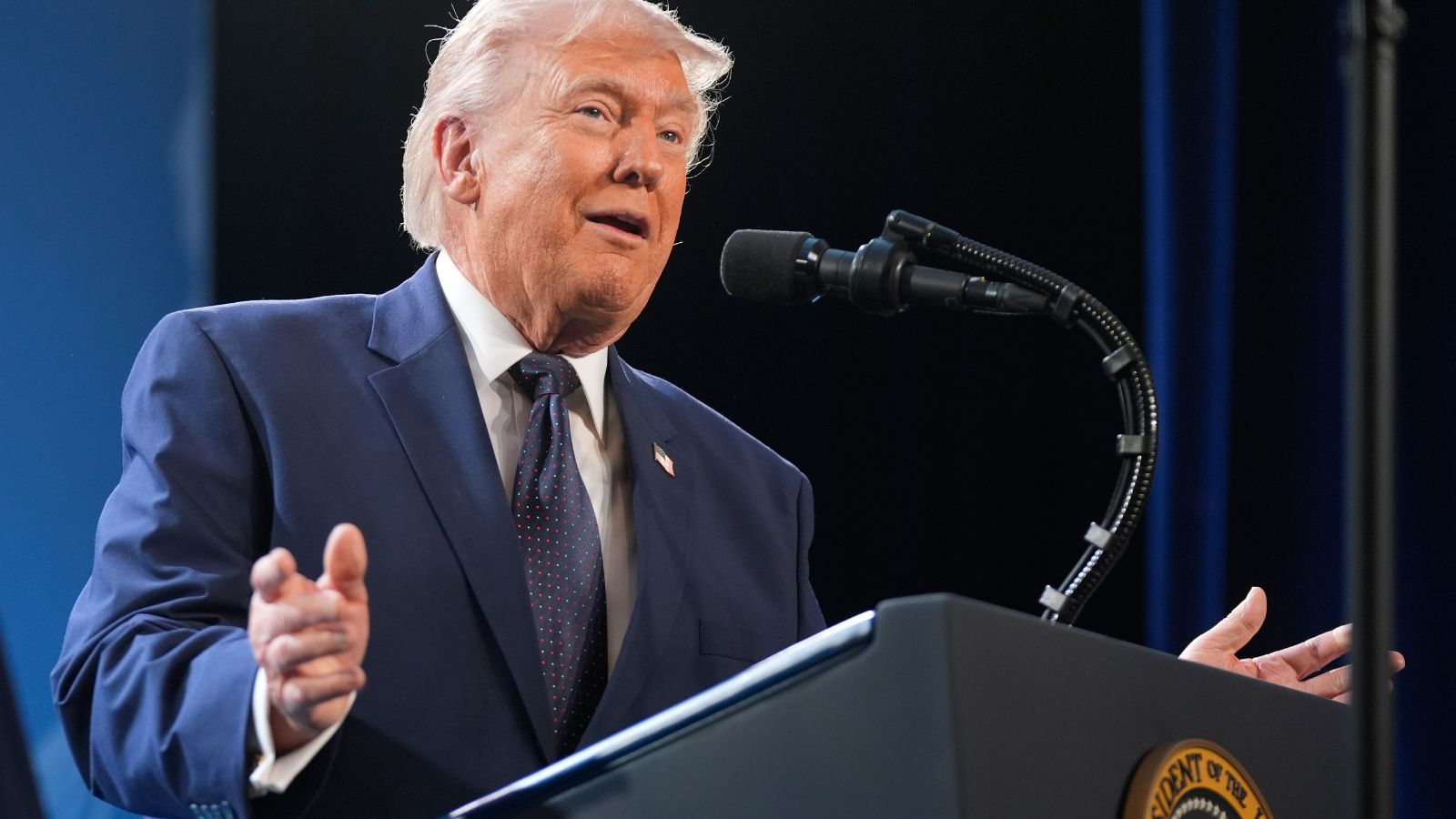
Mexico is bleeding, and the pressure from Washington is only making the wound deeper. You’ve probably heard about the chaos in Guanajuato or the recent hits on cartel leadership, but the story isn’t just about body counts. It’s about a collision between Donald Trump’s "Shield of the Americas" military-first strategy and a Mexican government trying to hold its sovereignty together with both hands.
The reality on the ground in Guanajuato—once known for its colonial beauty and thriving industry—is now defined by a shadow that stretches all the way from the White House. While President Trump threatens 25% "trafficking tariffs" and hints at drone strikes on Mexican soil, the cartels are responding the only way they know how: by burning everything down.
The Kingpin Paradox in Guanajuato
Early in 2026, Mexican special forces, backed by CIA intelligence, finally caught up with Nemesio "El Mencho" Oseguera Cervantes. He was the leader of the Jalisco New Generation Cartel (CJNG), the most ruthless organization in the hemisphere. He died in a helicopter while being flown to Mexico City. On paper, it was a massive win for President Claudia Sheinbaum. In reality, it was a match dropped in a powder keg.
Within hours of the news, the CJNG didn't just retreat. They launched "code red" reprisals across 20 states. Guanajuato, already a meat grinder of cartel competition, bore the brunt. Blockades choked the highways. Convenience stores were torched. The message from the cartel was clear: you can kill the head, but the body still bites.
Academic studies have shown that killing a kingpin often spikes homicides by 30% in the following months. Why? Because nature and narcos both abhor a vacuum. In Guanajuato, the CJNG and the Santa Rosa de Lima Cartel aren't just fighting over drugs; they’re fighting over the state’s massive oil pipelines and industrial routes. Every time a leader falls, ten more lieutenants start a war to take his place.
Trump’s Tariff Hammer and the Security Crisis
Donald Trump doesn't care about the nuance of Mexican internal politics. He sees a "cancer" that needs "eradicating." Since returning to office in 2025, his administration has used trade as a weapon to force Mexico’s hand.
The "trafficking tariffs"—which hit 25% on Mexican goods—were only recently struck down by the U.S. Supreme Court in February 2026. But the damage was done. The threat of economic ruin forced Sheinbaum to move 100,000 security personnel to the streets and increase military raids. It's a high-stakes game of chicken. If Mexico doesn't produce "results" (meaning dead or captured cartel bosses), the economic pressure returns.
- The Shield of the Americas: Trump’s new 17-nation coalition explicitly sidelines Mexico while pressuring its neighbors to accept U.S. military intervention.
- Military First: The White House is pushing for the right to use missiles against fentanyl labs, a move that would effectively end the U.S.-Mexico alliance as we know it.
- The Gun Problem: While Trump demands Mexico stop the drugs, Sheinbaum reminds the world that 70% of the guns found at Mexican crime scenes come from U.S. gun shops.
Why the 2026 World Cup is the New Front Line
If you think this is just about border towns, think again. Mexico is co-hosting the 2026 FIFA World Cup. This should be a moment of national pride. Instead, it’s a security nightmare. The cartels know the world is watching, and they know how much the Mexican government stands to lose if a stadium or a tourist hub becomes a war zone.
In Guadalajara and Guanajuato, the presence of the National Guard is now constant. But more soldiers don't always mean more safety. In many cases, it just means more targets. The cartels have already shown they can shoot down military helicopters and paralyze entire cities with coordinated blockades.
The Human Cost of High-Level Geopolitics
Beyond the headlines of tariffs and kingpins, the people of Guanajuato are living in a state of permanent anxiety. The U.S. State Department has "Do Not Travel" advisories on much of the state, warning of kidnapping and carjacking. For locals, there’s no "advisory"—it’s just Tuesday.
The theft of oil and natural gas remains a primary driver of violence. These aren't just drug dealers; they’re sophisticated criminal enterprises that have diversified into every sector of the economy. When the U.S. pressures the Mexican government to "crack down," the cartels don't just stop. They pivot. They extort farmers, they tax local businesses, and they fight harder for the territory they have left.
What Happens Next
Don't expect the violence to vanish because of a successful raid or a Supreme Court ruling. The friction between Trump’s "America First" aggression and Mexico’s "Sovereignty First" defense is creating a volatile environment where the only winners are the factions within the cartels that thrive on chaos.
If you’re watching this situation, keep your eye on two things:
- The USMCA Review: Trade and security are now inextricably linked. Any move on the trade deal will be used as leverage for more aggressive anti-cartel operations.
- Internal Cartel Succession: Watch for a spike in violence in Jalisco and Guanajuato as the CJNG fragments. A splintered cartel is often more dangerous than a unified one because there is no one at the top to negotiate with.
The shadow over Mexico isn't going away. It's just changing shape.