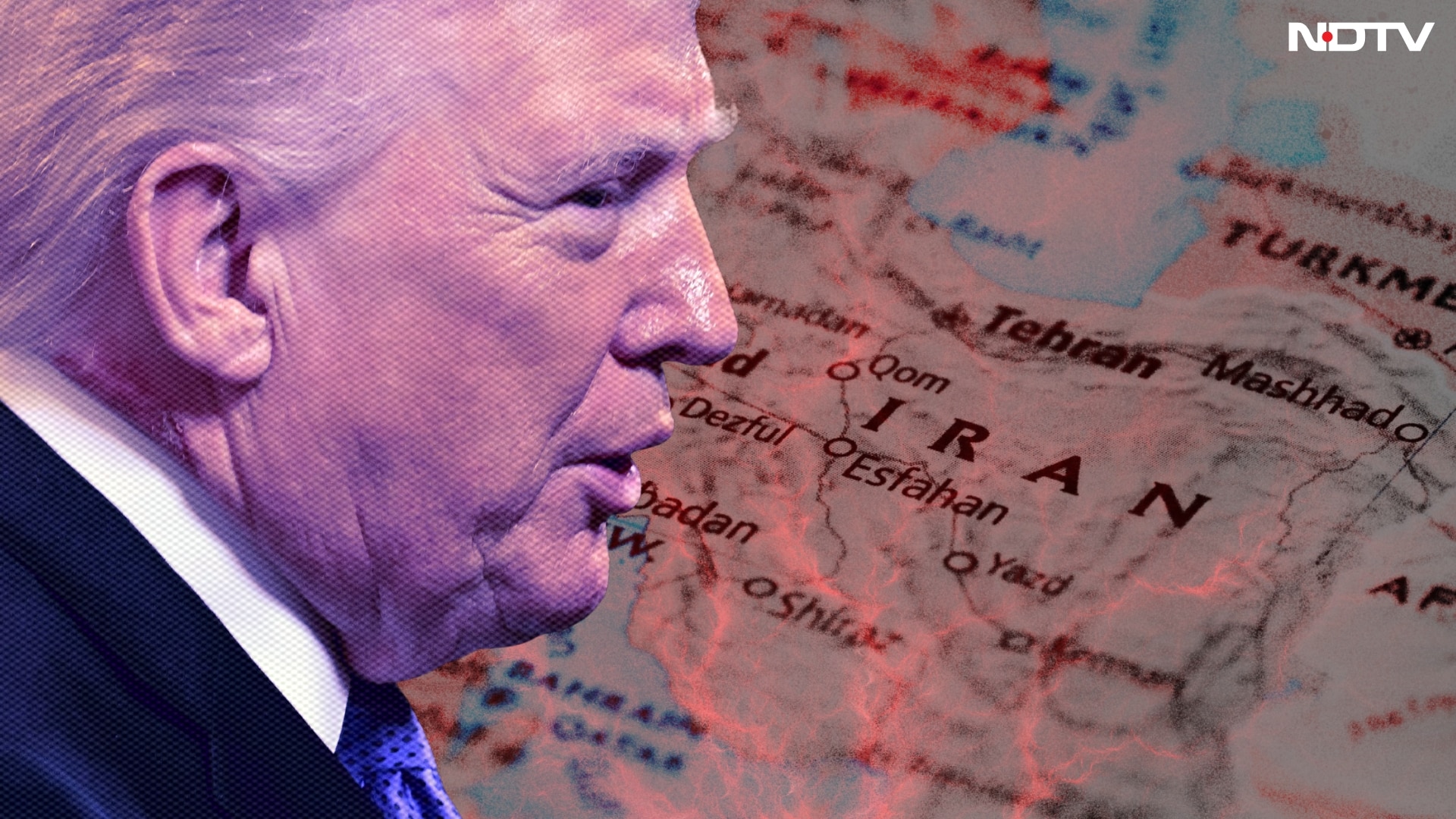
Donald Trump took to social media to declare Iran an officially failed and dead nation, throwing out a staggering and completely unverified claim that the regime has killed over 100,000 demonstrators. In a characteristically raw post on Truth Social, the US president didn't just target the country's military and economic collapse; he demanded international war crimes trials for its leadership, punctuating his assessment by accusing Tehran of running on little more than fake news and a good line of corporate-style deflection.
If you look past the hyperbolic rhetoric, the core of the statement exposes an intensifying standoff. Trump pointed to a crippled economy, skyrocketing inflation hitting 300 percent, and non-existent naval and air capabilities to frame the Islamic Republic as a hollowed-out state. Yet, pinning down the exact casualty numbers behind civil unrest is notoriously difficult. While human rights groups and independent tallies confirm that Iran's security forces have brutally suppressed domestic protests with lethal force over successive waves of anti-government demonstrations, a figure of 100,000 dead vastly outstrips any documented estimates from open-source monitors or intelligence reports.
Why toss out numbers that don't match public data? It's a calculated framing strategy. By inflating the scale of internal atrocities, Washington aims to delegitimize the regime entirely, stripping away any remaining diplomatic buffer. This escalation didn't happen in a vacuum either. It directly follows US military strikes targeting Islamic Revolutionary Guard Corps assets on Larak Island in the Strait of Hormuz, which Central Command authorized after repeated Iranian provocations against commercial shipping lanes. Tehran quickly labeled those strikes a fatal mistake and promised retaliation, ensuring that the ground remains shaky for any potential de-escalation.
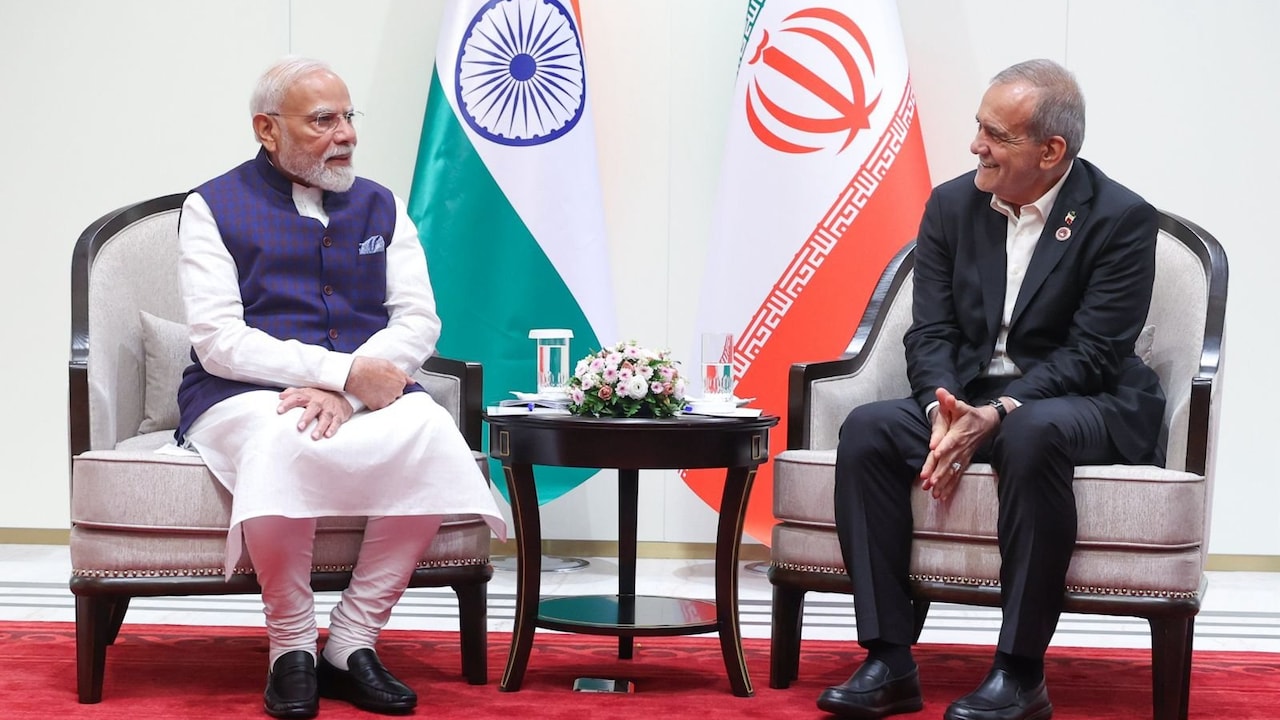
The demand for war crimes trials also creates a unique legal and political trap. While international tribunals like the International Criminal Court require specific jurisdictional pathways that the US itself often disputes, framing state leaders as war criminals shifts the diplomatic goalposts from containment to total regime alienation. Iranian President Masoud Pezeshkian responded by maintaining that Tehran isn't actively seeking all-out war while simultaneously promising a decisive counter-strike against any foreign aggression.
When leaders use social media to bypass traditional diplomatic channels, policy shifts from subtle negotiations to megaphone geopolitics. The reality on the ground is a crumbling Iranian economy and a population caught between internal repression and external military friction, while Washington signals that dialogue has taken a permanent backseat to maximum pressure. Watch how regional proxies respond in the coming weeks, because rhetoric like this rarely stays contained to digital platforms.