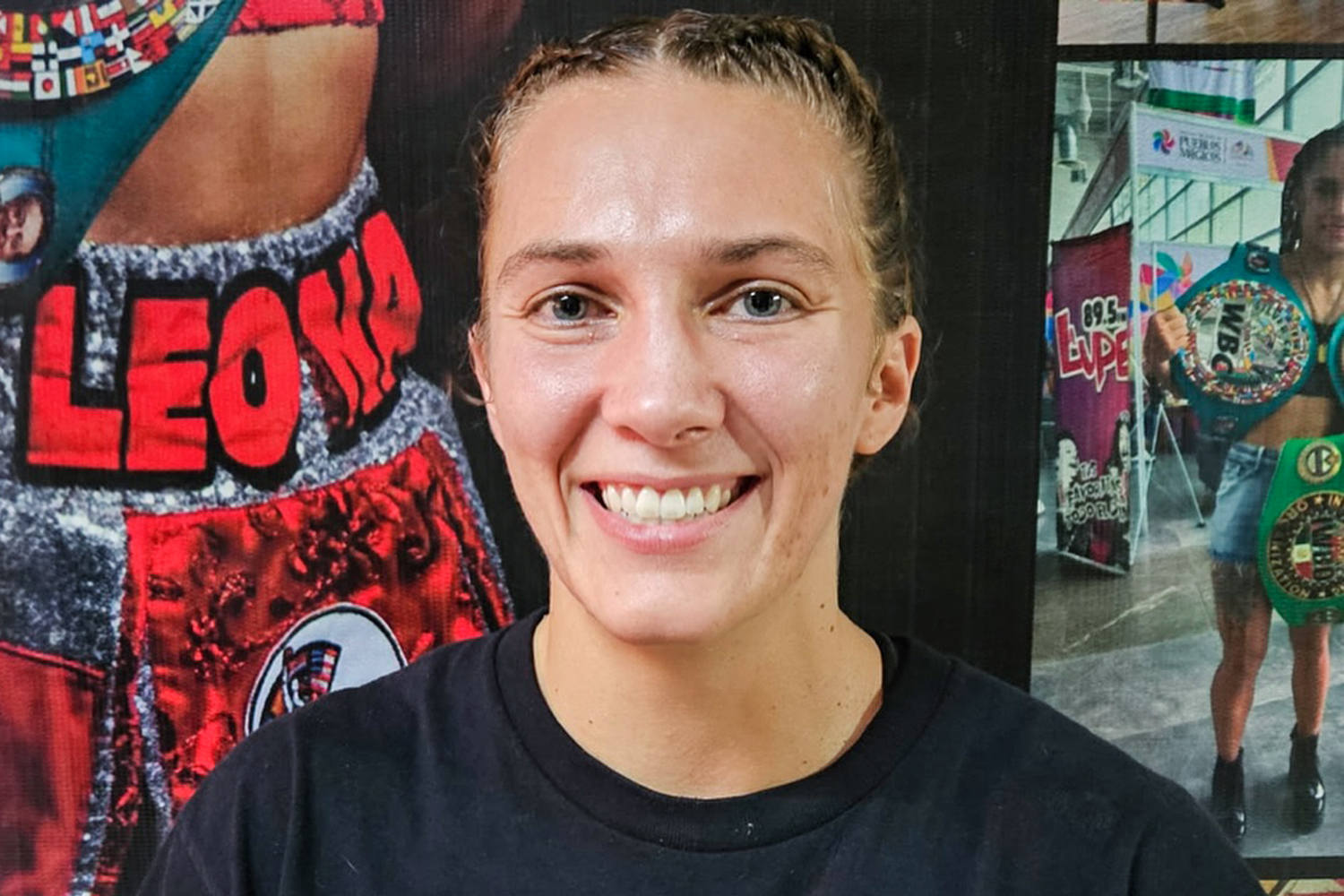
The corporate media coverage of Hannah Rapp’s death is a masterclass in systemic deflection.
When the 21-year-old rising boxing star was struck and killed while riding her bicycle in Texas, the headlines rolled out the standard, sanitized script: Boxer killed after driver strikes bicycle.
It sounds like an act of God. An unavoidable anomaly. A tragic case of bad luck where a heavy machine and a human being simply happened to occupy the same space at the wrong time.
That narrative is a lie.
It is a comfortable fiction designed to protect municipal planning departments, automobile-first infrastructure, and a sporting culture that demands athletes train in environments actively hostile to their survival. Hannah Rapp did not just die because a vehicle hit her. She died because American road design treats anyone outside a two-ton steel box as an acceptable statistic.
If we want to stop burying young athletes, we have to stop treating traffic violence as an individual driver problem and start treating it as a structural execution.
The Illusion of the "Accident"
Look at the language used in every major report detailing the loss of Rapp. The focus immediately narrows to the immediate mechanics of the crash. Was the driver distracted? Was the cyclist wearing a helmet? What were the visibility conditions?
This hyper-focus on individual culpability is exactly how municipal authorities escape blame.
In traffic safety engineering, there is a concept known as the Safe System approach. Popularized by European nations through initiatives like Vision Zero, it operates on a fundamental truth: humans are fallible and will make mistakes. Therefore, the infrastructure must be designed to ensure those mistakes are not fatal.
When a country road or a suburban artery in Texas has a speed limit of 50 mph, zero physical separation between bikes and vehicles, and wide lanes that invite speeding, a fatality is not an accident. It is a feature of the design.
We have spent decades building environments where the margin for error is exactly zero. When an elite athlete like Rapp—someone with elite reflexes, spatial awareness, and physical conditioning—cannot survive a basic training ride, the problem is not the athlete's awareness. The problem is the geometry of the road.
The Sports Industry’s Toxic Resilience Culture
Having worked with high-performance athletes across endurance and combat sports, I have seen the toxic myth of "grit" bypass basic safety logic time and again.
Coaches tell fighters to get their roadwork in by any means necessary. Runners and cyclists are told to just "be careful out there" and "wear high-visibility gear."
Let's dismantle the visibility myth right now. Data from the National Highway Traffic Safety Administration consistently shows that a massive percentage of cyclist fatalities occur during daylight hours or under well-lit conditions. Fluorescent vests and flashing LEDs do not stop a distracted SUV driver going 60 mph on a road with no shoulder. They just make the target brighter.
By framing safety as a matter of personal responsibility and athletic discipline, the sports world abdicates its duty to protect its talent.
We praise athletes for training in brutal conditions, turning a blind eye to the fact that they are playing Russian roulette with suburban traffic. We need to stop telling young athletes to brave dangerous roads. If an environment requires a human being to perfectly dodge multi-ton vehicles to get a workout in, that environment is broken.
The Failure of "Share the Road" Campaigns
For years, advocacy groups and sports organizations have pushed the "Share the Road" ethos. It is a nice, polite sentiment that has completely failed to move the needle on athlete safety.
Imagine applying that logic to any other high-risk scenario. We would never tell workers to "share the space" with heavy, unshielded industrial machinery without physical barriers. Yet, we expect a cyclist on a 20-pound frame to share asphalt with a commercial pickup truck.
| Road Design Element | The Lazy Consensus View | The Empirical Reality |
|---|---|---|
| Painted Bike Lanes | Provides a dedicated, safe space for cyclists. | Psychological placebo; offers zero physical protection from a drifting vehicle. |
| Speed Limits | Regulates traffic flow and ensures safety compliance. | Drivers drive the speed the road feels safe for, regardless of the sign. Wide lanes encourage speeding. |
| High-Visibility Gear | The primary defense against nighttime and daytime collisions. | Does nothing to alter driver behavior or vehicle trajectory on poorly engineered roads. |
The data is clear: paint is not infrastructure. A white line drawn on the edge of a highway does nothing to slow down a vehicle or prevent a driver from drifting due to a text message. The only thing that protects vulnerable road users is physical separation—bollards, concrete barriers, and grade-separated paths.
Redefining the Solution for Athletes
The common response to tragedies like the loss of Hannah Rapp is to call for stricter laws against distracted driving or stiffer penalties for motorists. While accountability matters, it is a reactive measure. It does not bring a dead fighter back.
If we want to protect the next generation of athletic talent, the sports community must pivot from passive mourning to aggressive, structural demands.
- Boycott Dangerous Training Grounds: Governing bodies for boxing, cycling, and triathlons must actively discourage roadwork on unseparated high-speed corridors. If a facility or camp lacks access to closed circuits or fully segregated paths, it should not be certified for elite training.
- Redirect Funding to Closed Facilities: Instead of spending millions on PR campaigns about driver awareness, athletic commissions and sponsors need to fund the development of dedicated, vehicle-free training complexes.
- Aggressive Infrastructure Lobbying: Sports organizations hold immense economic leverage. They need to use it to lobby local governments for structural road diets, protected bike lanes, and reduced speed designs in training hubs.
The current system relies on the assumption that athletes will accept the risk of death as part of the price of admission for greatness. We see it in the framing of Rapp’s passing—a grim footnote in a promising career.
Stop accepting the sacrifice. Stop calling these events accidents. Until we demand infrastructure that physically prevents vehicles from encroaching on human space, every single expression of condolences from city officials and sporting boards is hollow theater.
Build real barriers, or admit that you do not care who dies on the asphalt.