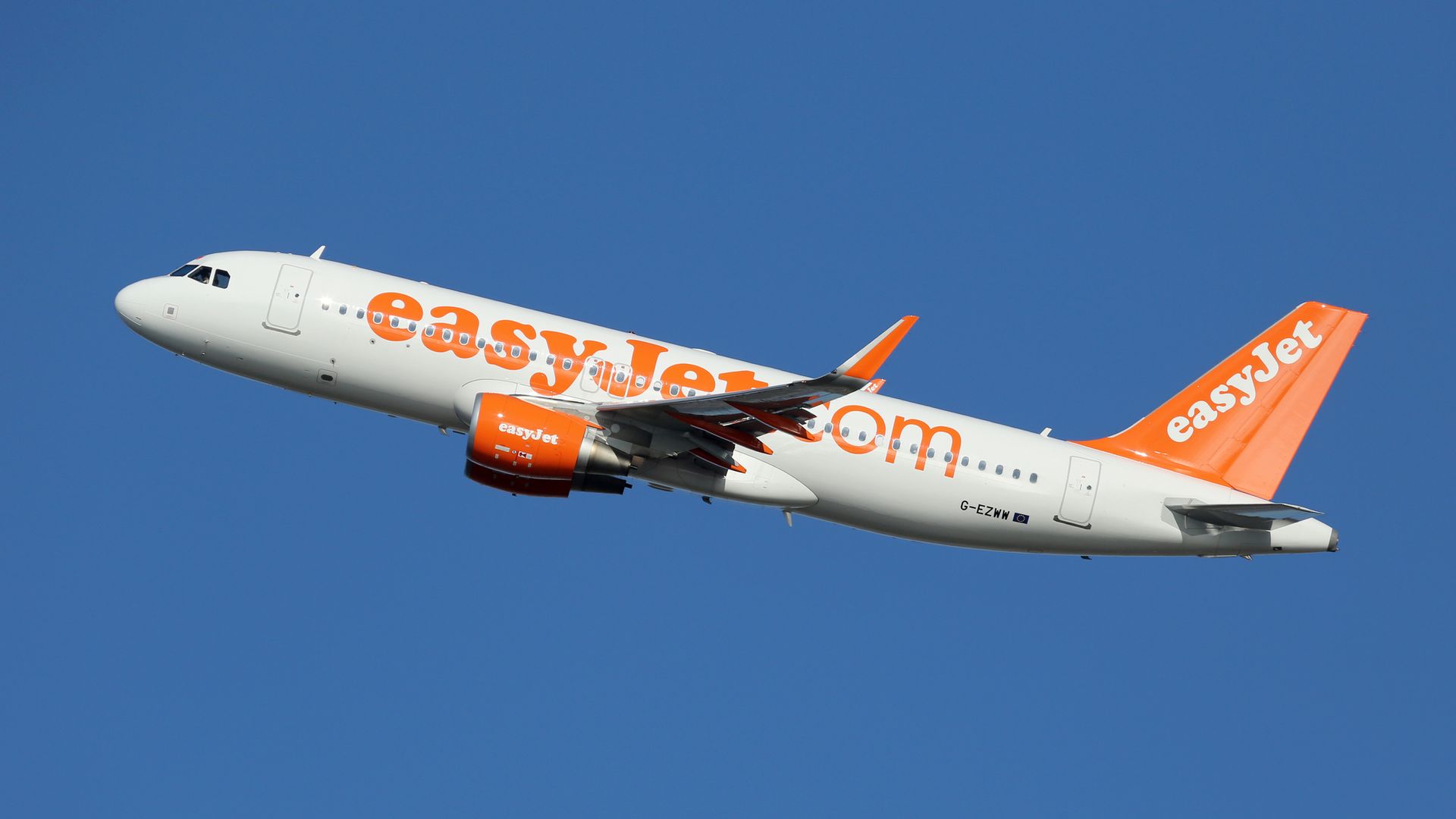
The cabin of an Airbus A320 at cruising altitude is a study in forced collective trust. You slide into your assigned seat, press your hip against a stranger’s, and place your life into the hands of two pilots you will likely never see. Most of the time, the contract holds. The cabin hums with the white noise of jet engines, the crinkle of snack wrappers, and the soft murmur of television shows streaming on a hundred small screens.
Then, someone notices something wrong. Not a loud explosion. Not an engine failing with a dramatic shudder. Just a quiet realization that a piece of everyday convenience has suddenly become a threat.
When an EasyJet flight bound from Geneva to Pristina was forced to make an emergency diversion to Munich, the disruption didn't stem from a mechanical failure or severe weather. It came from a pocket-sized brick of lithium and plastic tucked inside a piece of luggage in the overhead bin. A power bank.
We live our lives tethered to these dense, silent blocks of energy. We throw them into our backpacks, slide them into our pockets, and rely on them to keep our digital lifelines buzzing. But at thirty thousand feet, the physics of convenience changes entirely. What is useful on the ground becomes a potential volatile hazard in the sky.
The Chemistry of Convenience
To understand why a plastic brick caused a multi-million-dollar aircraft to abruptly change its trajectory, you have to look past the sleek casing of modern consumer tech. Inside every power bank sits a lithium-ion battery. These batteries are marvels of engineering, packing immense amounts of electrical energy into microscopic spaces. They allow us to work from coffee shops and stream movies on transcontinental flights.
But that dense concentration of energy comes with an inherent vulnerability.
Lithium-ion batteries operate via a delicate dance of chemicals. If a battery is damaged, poorly manufactured, or subjected to sudden shifts in pressure and temperature, it can enter a state known as thermal runaway. This is a scientific term for a terrifyingly simple chain reaction: the battery begins to overheat, the heat triggers further chemical breakdowns, and the temperature skyrockets within seconds. It creates its own oxygen, meaning a lithium fire can burn intensely, producing toxic smoke and blistering heat that standard fire extinguishers struggle to suppress.
On the ground, a smoking battery is a localized emergency. You drop it on the pavement, step back, and call for help.
In a pressurized aluminum tube flying at five hundred miles per hour through sub-zero air, the calculus changes. There is nowhere to step back. The air you breathe is recycled through a complex environmental control system. Smoke is not just an inconvenience; it is an immediate threat to life.
A Quiet Alert in the Overhead Bin
Consider the moment the calm broke on that EasyJet flight. The aircraft was tracking across central Europe, hundreds of miles from its destination. Passengers were settling into the rhythm of the journey.
According to reports from the incident, it wasn't a flight attendant who first spotted the danger. It was a passenger. They noticed a strange smell, or perhaps a wisp of vapor, or the distinct, acrid scent of overheating electronics coming from an overhead storage locker. They realized that their own power bank—or one belonging to a neighbor—was malfunctioning.
Imagine the sudden spike of adrenaline. You are trapped in a narrow aisle, surrounded by families, business travelers, and vacationers. You look up and realize that a fire might be brewing just inches above someone's head.
The passenger did exactly what aviation safety experts train people to do: they alerted the cabin crew immediately.
Flight attendants are often viewed as hospitality workers, passing out drinks and collecting trash. In reality, they are first responders trained to handle crises that would paralyze most people. The moment the crew was notified of the overheating power bank, a highly choreographed safety protocol kicked into gear. They didn't panic. They assessed the threat, retrieved specialized fire-containment bags designed to withstand the extreme temperatures of lithium fires, and isolated the device.
But the danger of thermal runaway is its unpredictability. A battery that seems to have cooled down can reignite minutes later with renewed ferocity.
The Weight of the Captain's Choice
Up in the cockpit, the flight crew received the report from the cabin. The pilots were faced with a choice that outlines the heavy responsibility of command.
Aviation operates on a philosophy of absolute risk mitigation. When a potential fire is identified in the cabin, you do not wait to see if it gets worse. You do not gamble on the hope that the containment bag will hold for another hour until you reach your destination. You get the aircraft on the ground as quickly and safely as possible.
The captain made the decision to divert. Air traffic control was notified, clearing a path through the crowded European skies. The nose of the Airbus pointed toward Munich.
For the passengers, the shift would have been palpable. The sudden tilt of the wings, the change in the engine pitch, and the automated voice of the captain over the loudspeaker explaining that the flight was being cut short. The destination of Pristina was replaced by the urgent necessity of a Munich runway.
When the plane touched down, emergency vehicles were waiting. The flight landed safely, the passengers were evacuated, and the immediate danger was neutralized. What could have been a disaster became an expensive, frustrating footnote in a corporate logbook. But the financial cost of that diversion—the fuel burned, the airport fees, the compensation for delayed passengers, the scrambled logistics—runs into the tens of thousands of dollars. All because of a device that costs twenty bucks online.
The Broken Rule in the Cargo Hold
The Munich incident highlights a deeper, systemic issue in modern travel: the gap between airline safety regulations and passenger awareness.
International aviation laws are explicit about lithium-ion batteries. Spare batteries and power banks must never, under any circumstances, be placed in checked luggage. They must remain in the cabin.
This rule exists for a vital reason. If a power bank begins to malfunction in the cabin, someone will smell it, see it, and act on it, just as they did on the EasyJet flight. If that same power bank is buried deep within a suitcase in the cargo hold, surrounded by nylon clothing and synthetic fabrics, a fire can grow completely undetected until it breaches the hull or compromises the aircraft's control systems. Automated fire suppression systems exist in cargo holds, but lithium fires are notoriously resilient against standard halon gas extinguishers.
Yet, despite the warnings flashed on check-in screens, printed on boarding passes, and announced over airport loudspeakers, thousands of power banks end up in cargo holds every single day.
It stems from a lack of understanding. To the average traveler, a power bank feels inert. It feels like a book or a pair of shoes. We don't see the chemical energy coiled inside it like a spring. We don't think about the fact that dropped luggage can crack a battery's internal separators, setting up a slow-burning short circuit that won't manifest until hours later when the plane is at cruising altitude.
The Invisible Network of Safety
When we look back at the EasyJet diversion, it shouldn't be viewed merely as a travel disruption or a scary headline. It should be seen as a testament to a safety system that worked exactly as designed.
The true miracle of modern commercial aviation isn't just that these massive machines fly; it is that we have built a culture where catastrophe is prevented by a web of small, redundant decisions. It is the passenger who chose to speak up instead of ignoring a weird smell. It is the flight attendant who utilized their training calmly. It is the pilot who chose safety over schedule, discarding the pressure to arrive on time in favor of protecting the lives in their care.
We live in a world that demands constant connectivity. We want our phones fully charged the moment we land so we can call an Uber, text our loved ones, or check our emails. We will continue to carry power banks onto airplanes because modern life requires them.
But the next time you pack your bags, take a moment to look at that heavy little brick in your hand. Respect the science inside it. Remember that the thin margin between a routine flight and an emergency landing often comes down to nothing more than a split-second choice made by a single person sitting in row fourteen.