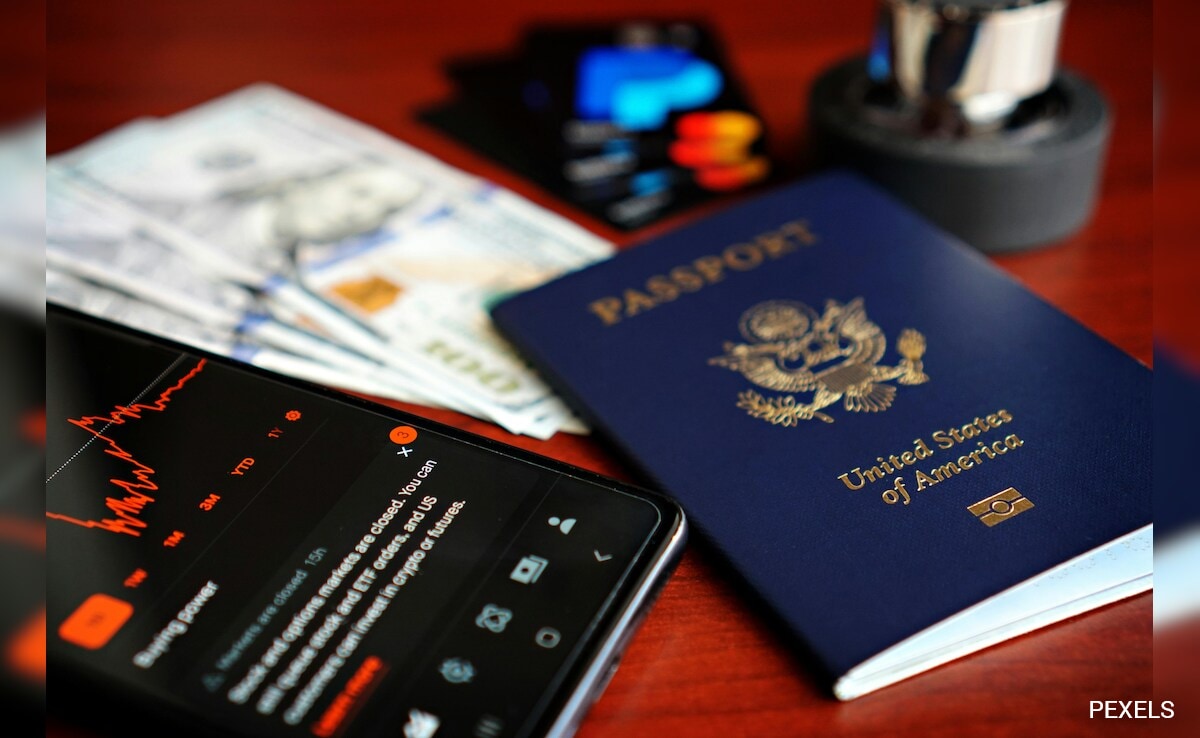
Getting a US passport is usually the end of a long, stressful journey for immigrants. You take the oath, you wave the flag, and you assume you’re "safe" forever. But as 62-year-old Debashis Ghosh just found out, the US government has a very long memory and a powerful set of legal erasers.
On May 8, 2026, the Department of Justice (DOJ) moved to strip Ghosh, an Indian-born businessman living in Cook County, Illinois, of his naturalized citizenship. Why? Because the feds say he built his American life on a foundation of lies and a $2.5 million fraud scheme.
Ghosh isn't alone. He's one of 12 people targeted in a massive sweep by the Trump administration to "clean up" the naturalization rolls. This isn't just about high-profile criminals; it's a stark reminder that if you lied on your N-400 application—even years ago—your citizenship is essentially a house of cards.
The 2.5 Million Dollar Lie
Ghosh’s story started decades ago. He first entered the US in 1991 on various non-immigrant visas and eventually naturalized in 2012. On paper, he looked like a success story. In reality, prosecutors say he was a con artist.
Along with his co-conspirator, Keith Eric Jergensen, Ghosh ran Verdant Capital Group in Chicago. They convinced investors to sink $2.5 million into a project meant to build an aircraft maintenance facility at a former Air Force base in New York. Instead of building hangars, they treated the investor money like a personal piggy bank.
The victims weren't just random names. We’re talking about a retired US Air Force Colonel, a former New York City Deputy Mayor, and several high-ranking financial executives. Ghosh and Jergensen supposedly spent years lying to these people, even forging bank documents to pretend the money was safe in a Wells Fargo account while they were actually draining it to pay their own company's bills.
Why the DOJ is Pouncing Now
You might wonder why the government is coming for him now, 14 years after he became a citizen. The law is pretty clear: citizenship can be revoked if it was "illegally procured" or obtained through "concealment of a material fact."
When Ghosh sat down for his naturalization interview in 2012, he was asked a standard, critical question: "Have you ever committed a crime for which you have not been arrested?"
He said no.
At that exact moment, he was allegedly in the middle of the $2.5 million fraud. Because he didn't disclose the crime, the DOJ argues his "good moral character" was a sham. He didn't just break the law; he lied to the government to get his blue passport.
The Current Crackdown on Naturalized Citizens
Acting Attorney General Todd Blanche hasn't been shy about the administration's goals. He’s calling these cases "egregious violations" of the immigration system. The DOJ is filing these denaturalization actions at what they call "record speeds."
This isn't just a "one-off" case. The 12 individuals targeted this month include people accused of:
- Supporting terrorist groups.
- Committing war crimes.
- Sexual abuse of minors.
- Large-scale financial fraud (like Ghosh).
The government is using a "reach-back" strategy. If you're convicted of a crime today, and the evidence shows that crime started before you naturalized, you've handed the government the evidence they need to deport you. Your own guilty plea in a criminal case can be the very document that ends your citizenship.
The Good Moral Character Trap
Most people think "good moral character" only matters for the five years before you apply for citizenship. That’s a dangerous misconception.
While the "statutory period" is usually five years, the government can look at "unlawful acts" committed at any time if they show you aren't a person of good character. If you lied during your interview, that lie is considered a "willful misrepresentation." There is no statute of limitations on fraud against the US government in this context.
If the court rules against Ghosh, he won't just lose his passport. He’ll revert to whatever status he had before—or more likely, become a "removable" alien. That means he could be deported back to India after living in the US for over 30 years.
What This Means for You
If you're a naturalized citizen or in the process of becoming one, don't treat the N-400 like a casual form. Honesty isn't just the best policy; it's the only one that keeps you in the country.
- Disclose Everything: If you were ever involved in something legal-adjacent, even if you weren't arrested, talk to an immigration attorney before you apply.
- Audit Your Past: The government is now using advanced data-sharing and fingerprinting to find old deportation orders or aliases that people thought were buried.
- Understand the Risk: Denaturalization used to be rare. In 2026, it’s a tool the government is using aggressively.
Ghosh's case shows that the "privilege" of US citizenship is conditional. If the government decides you cheated to get in, they'll show you the door, regardless of how many decades you've spent building a life here.
If you're worried about your own history, your next step shouldn't be to hide—it should be to consult with a high-level immigration litigator. The "I forgot" defense rarely works when millions of dollars and federal applications are involved.

