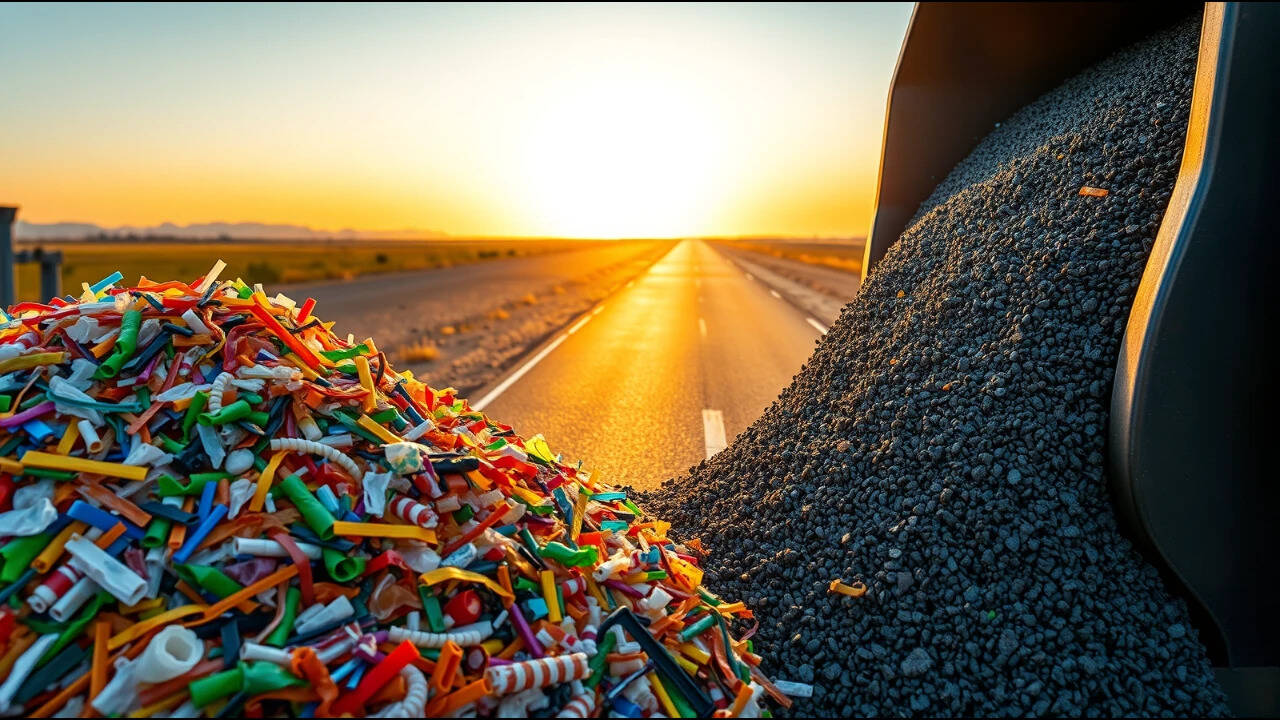
We have a massive trash problem and crumbling infrastructure. Most engineers just throw more asphalt at the cracks and hope for the best. That approach is broken.
Texas decided to try something radical. Crews laid down an experimental highway stretch packed with 4.5 tons of recycled plastic. This isn't just about tossing water bottles into a blender. It's a genuine shift in how we build the roads you drive on every single day.
If you've ever hit a pothole that felt like hitting a brick wall, you know traditional asphalt has limits. It cracks under heavy semi-trucks. It softens in brutal summer heat. Municipalities spend billions patching the same stretches of pavement year after year.
Plastics change the chemistry. When you blend recycled polymers into the binder, the material behaves differently. It resists rutting. It handles extreme temperature swings without snapping.
Traffic volume keeps climbing. Budgets keep shrinking. Agencies need materials that outlast the warranty.
The Reality of Plastic Modified Asphalt
People hear "plastic road" and picture a smooth sheet of LEGO bricks sliding around in the rain. That's not how this works. The plastic is shredded down, refined, and melted directly into the asphalt binder. It reinforces the sticky glue holding the rocks together.
I've watched municipal projects fail because engineers tried unproven additives. This pilot isn't that. Polymer-modified asphalt has industrial backing. Companies like Dow have spent years testing how specific polymer chains bond with petroleum-based bitumen.
You get a compound that stretches instead of snapping. Heavy axle loads create deep ruts in standard highways during July. Plastic additives increase the softening point of the mix. The road stays rigid when the thermometer hits one hundred degrees.
Water damage destroys roads from the inside out. Moisture sneaks into micro-fractures, freezes, and splits the pavement wide open. Polymer binders seal those gaps tighter. Water has a harder time penetrating the matrix.
Critics love to point out the obvious danger. What about microplastics? Does grinding up car tires and soda bottles mean we are just paving our watersheds with toxic dust?
It's a fair question. State testing labs monitor runoff from these test sites closely. The polymers bind chemically within the asphalt structure. They don't just flake off into the drainage ditches like loose glitter. Still, long-term environmental monitoring remains ongoing. We need years of data before declaring total victory over pollution.
Sourcing the Waste
Finding 4.5 tons of plastic sounds easy until you try to source material that meets strict engineering standards. You can't just sweep up dirty grocery bags from a landfill and toss them into a hot asphalt vat.
Consistency matters. A batch of plastic with random contamination ruins the entire truckload of paving material.
Most of the recycled content used in these high-performance trials comes from post-consumer packaging and industrial film. Think stretch wrap from warehouses and discarded polyethylene containers. This material often gets rejected by traditional recycling facilities because it jams the sorting machinery.
Diverting that specific waste stream away from landfills gives municipal programs a double win. You clear out bulky warehouse waste. You reinforce critical transit corridors.
The economics have to make sense. If recycled polymer binders cost five times more than standard bitumen, cash-strapped departments of transportation will walk away. Right now, the upfront material costs run higher. But life-cycle cost analysis tells a different story.
When a highway lasts twice as long before requiring a mill-and-overlay operation, the savings add up fast. Traffic delays drop. Labor costs plummet.
How Texas Built It
The pilot project didn't happen in a vacuum. State engineers partnered with private contractors to lay the specialized mix on heavily traveled state routes.
Crews used standard paving equipment. That detail matters immensely. If a new technology requires a contractor to buy three million dollars in custom machinery, adoption stalls immediately. Because this plastic-modified mix drops straight into existing asphalt plants and paving machines, contractors can use their current fleets.
Temperatures during mixing and laying require tight control. Get it too hot, and the polymers degrade. Let it cool too fast, and the compaction fails. Field crews monitored thermal imaging cameras constantly during the roll-out.
You can drive over these exact stretches right now. To the untrained eye, it looks like ordinary gray pavement. It rides smoothly. It handles high-speed traffic without drama.
Other states are watching the data feed out of Texas carefully. California, Florida, and Ohio run similar pilot programs with their own regional twists. Some focus on crumb rubber from old tires. Others lean into mixed plastic waste.
What This Means for Your Commute
You aren't going to notice a glowing sign telling you that you are driving on recycled soda bottles. You will notice fewer orange construction barrels over the next decade if these materials perform as advertised.
Infrastructure spending is political lightning. Taxpayers hate paying for roads that deteriorate within five years of a ribbon-cutting ceremony. Pushing for durable materials isn't glamorous. It saves municipal budgets from endless emergency repairs.
Check your local Department of Transportation public notices. Many regions host open houses regarding upcoming paving contracts. Ask your local officials what binders they specify for heavy-freight corridors. Demand materials engineered for extreme weather. Stop accepting roads designed to fail.