The Peace Theatre for an Audience of One
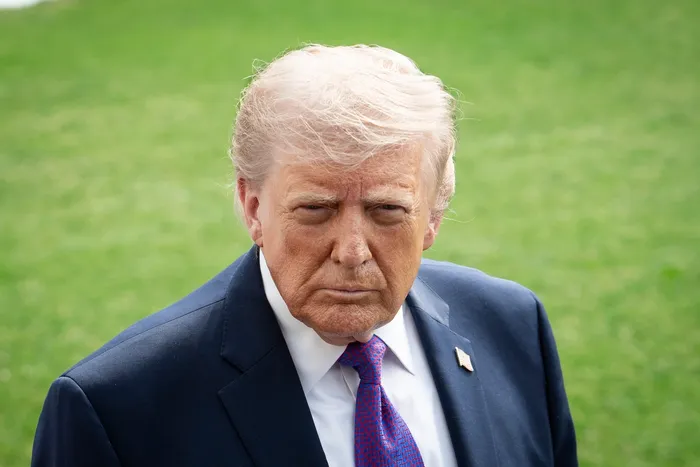
The world is currently applauding a ten-day ceasefire between Israel and Lebanon. Headlines are screaming about breakthroughs and diplomatic masterstrokes. Donald Trump is taking a victory lap, claiming he has solved ten wars before breakfast.
It is all a lie.
What we are witnessing isn't peace. It isn't even a meaningful pause in hostilities. It is a strategic refueling stop disguised as a humanitarian triumph. If you think ten days of quiet in the Levant equals a shift in regional stability, you haven't been paying attention to the last forty years of kinetic warfare.
The "lazy consensus" among mainstream journalists is that any silence from the guns is a win. They treat peace like a light switch—on or off. In reality, modern conflict is a battery. A ceasefire doesn't turn the machine off; it just lets the capacitors recharge.
The Arithmetic of Attrition
Let’s look at the math that the "peace at any cost" crowd ignores.
A ten-day window provides exactly enough time for three critical military functions:
- Intelligence Re-calibration: Drones and satellites don't stop watching just because the triggers stop pulling. Ten days allows for the processing of a massive backlog of target data without the "noise" of active skirmishes.
- Logistical Surging: Moving heavy hardware and replenishing missile stockpiles is a nightmare under active bombardment. A ceasefire is a free pass to move assets into position for the next "unavoidable" escalation.
- Political Posturing: It gives leaders a chance to poll their domestic base. If the public likes the quiet, the leaders claim credit. If the public wants blood, the leaders blame the "inevitable" breach of the ceasefire on the other side.
In the case of the Israel-Lebanon border, we are dealing with a non-state actor in Hezbollah and a state actor in Israel that is under immense internal pressure. Neither side has achieved its strategic objectives. Israel hasn't secured the northern Galilee for the return of its citizens; Hezbollah hasn't stopped the IDF's systematic dismantling of its southern infrastructure.
Stopping now is like pausing a surgery halfway through and claiming the patient is cured.
The Trump Factor: Branding Over Bullets
The narrative that a single personality "solved" this is the most dangerous myth of all. It simplifies a thousand-year-old ethnic and religious friction into a real estate deal.
Trump’s rhetoric about "solving ten wars" is brilliant marketing, but terrible geopolitics. Diplomacy in the Middle East isn't a zero-sum game of "getting to yes." It is a managed state of "not today." By framing this ten-day window as a permanent solution, the administration sets the stage for a much more violent collapse.
When you overpromise peace, you underprepare for the pivot back to war.
I’ve spent years watching how these "deals" operate on the ground. The most violent days of any conflict often occur the week after a failed ceasefire. Why? Because the side that used the break more effectively starts with a massive tactical advantage.
Why the "People Also Ask" Answers are Wrong
If you search for the viability of this ceasefire, you’ll find questions like: "Will this lead to a permanent treaty?"
The honest, brutal answer is: No. A treaty requires a shared vision of the future. Israel and Hezbollah possess mutually exclusive visions of the future. One requires the non-existence of the other. You cannot negotiate a middle ground on "existence."
Another common question: "Is this a win for Lebanon?"
Hardly. A ten-day pause does nothing to address the systemic collapse of the Lebanese state or the fact that its southern territory is effectively a secondary state run by a militia. It is a band-aid on a gunshot wound to the chest.
The Downside of Disruption
I recognize that being the person who points out the flaws in a ceasefire makes me look like a warmonger. It’s an unpopular position. People want to hope. They want to believe the kids can go back to school and the rockets will stay in their tubes.
But false hope kills more people than hard truths.
By pretending this is a solution, we stop looking for the actual structural fixes. We stop demanding the total disarmament of non-state actors. We stop forcing the hard conversations about border sovereignty. We settle for ten days of quiet today in exchange for ten months of chaos tomorrow.
The Real Objective is Time, Not Peace
In the boardrooms and war rooms where these decisions are actually made, no one uses the word "peace" without a smirk. They talk about "operational pauses." They talk about "window management."
Israel is managing its international credit. By agreeing to ten days, they soften the pressure from the UN and the US. They show they are "reasonable."
Hezbollah is managing its internal survival. They need to dig out the bodies, find out who leaked their locations, and try to re-establish a chain of command that has been decapitated by precision strikes.
This isn't a peace deal. It's a reorganization period.
Stop Falling for the PR
If you want to understand what is actually happening, ignore the handshakes in Mar-a-Lago or the press releases from Jerusalem.
Look at the supply lines. Look at the troop movements. If the tanks are moving back to the sheds, maybe there’s hope. But if the tanks are just being greased and refueled while the crews take a nap, the war is still on.
The ten-day ceasefire is a vanity project for politicians and a tactical reset for generals. To call it anything else is a disservice to the people living in the crosshairs.
Peace isn't the absence of noise for 240 hours. Peace is the removal of the reason to make noise in the first place. That hasn't happened. Not even close.
Stop celebrating the pause and start bracing for the impact.