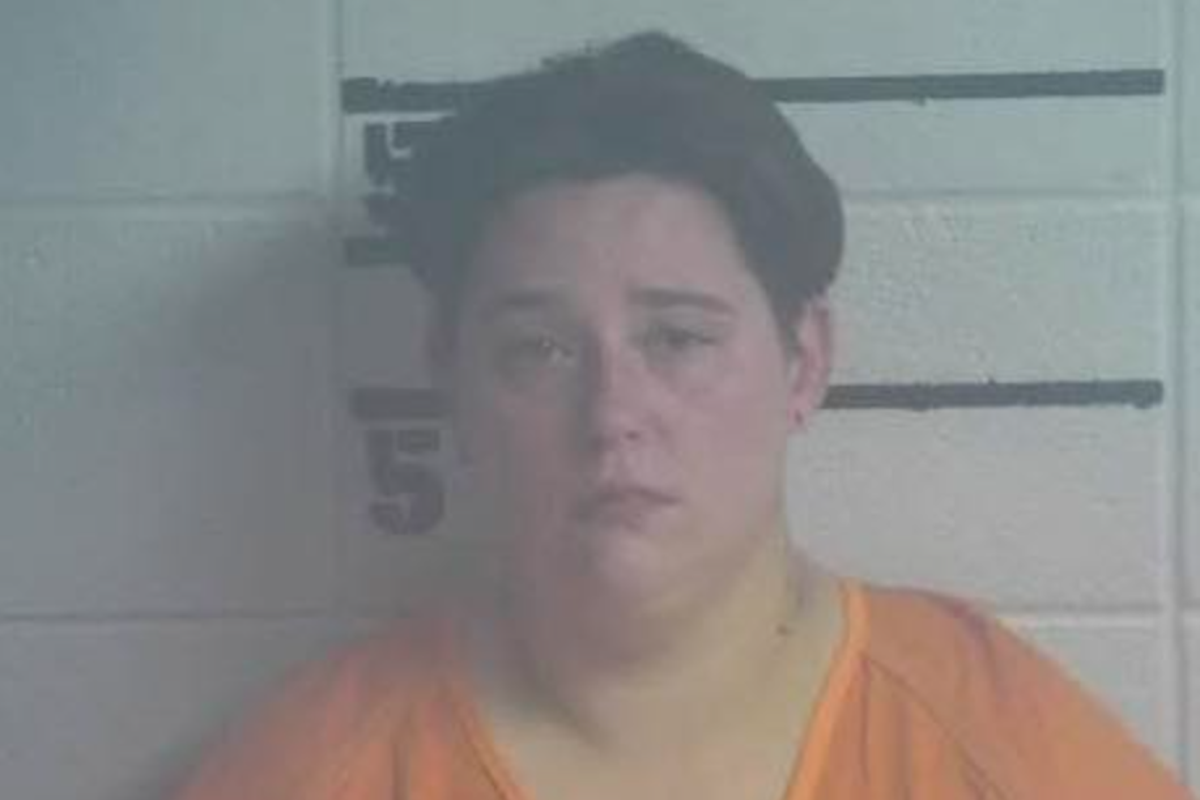
A 22-month-old child has no concept of permanent body art. They can barely navigate a playground without toppling over. Yet, a recent incident involving a woman in Ohio who allegedly tattooed a toddler on the arm has sparked nationwide outrage and raised serious questions about the gaps in our legal system. It's a disturbing story that forces us to look at the intersection of parental rights, criminal negligence, and the physical boundaries of a child.
Police arrested a 20-year-old woman after a video surfaced showing her using a tattoo machine on a child under two years old. This isn't just a lapse in judgment. It's a fundamental violation of a child's bodily autonomy. When we talk about child safety, we often focus on nutrition or screen time. We don't usually have to talk about ink being forced into the skin of a baby who hasn't even hit their second birthday.
The Details of the Ohio Arrest
The incident took place in Bellefontaine, Ohio. Local authorities were alerted to a video circulating on social media. People were horrified. You could clearly see the child being held down while a tattoo was applied to their arm. This wasn't a temporary sticker or a washable marker. It was a professional-grade tattoo gun.
The woman involved, identified as Austin Smith, wasn't just a random bystander. Reports indicate she was in a position of trust with the child. This makes the betrayal even deeper. Police charged her with child endangerment and tattooing a minor. Ohio law is pretty clear on this: you can't tattoo anyone under 18 without parental consent, and even with consent, there are strict health and safety protocols that must be followed. Applying a tattoo in a residential setting to a toddler doesn't meet a single one of those standards.
Why This Isn't Just a "Parental Choice" Issue
Some people argue about the limits of what a parent can decide for their child. They bring up ear piercing or circumcision. But tattooing a 22-month-old is a different beast entirely. It's a permanent medical procedure involving needles and ink that can cause severe allergic reactions, infections like hepatitis or HIV, and long-term skin damage.
A toddler's skin is thin. It's developing. Their immune system is still learning how to handle the world. Introducing foreign pigments into that delicate system is reckless. Beyond the physical risks, there's the psychological impact. A child that age cannot consent. They don't understand why someone they trust is causing them pain for something they'll be stuck with for the rest of their lives.
The Legal Gaps in Tattooing Minors
Most states have laws on the books regarding minors and tattoos. Usually, it's a flat "no" under 16, and "only with a parent" between 16 and 18. But these laws were designed to stop rebellious teenagers from getting a "cool" design at the mall. They weren't really written with the idea that someone would pin down a 22-month-old.
In this Ohio case, the charges of child endangerment are the most significant. That's because the act of tattooing a baby isn't just a licensing violation. It's a form of physical abuse. The legal system needs to treat these cases with the same severity as any other form of battery or neglect. If you wouldn't let someone cut a child's skin with a knife, you shouldn't let them do it with a tattoo needle.
The Social Media Factor
Social media played two roles here. First, it was the platform used to show off the act. It’s a bizarre trend where people record their own crimes for "clout" or attention. It's sickening. But second, social media acted as the whistleblower. Without that video being shared and reported by disgusted viewers, this child might have suffered in silence.
We've seen an increase in "sharenting" where every aspect of a child's life is broadcast. Sometimes, this crosses the line into exploitation or, as in this case, evidence of a crime. It's a reminder that the digital footprint of a child is often being created by adults who don't have the child's best interests at heart.
What Happens to the Child Now
The child's safety is the immediate priority. Child Protective Services (CPS) typically gets involved in cases like this to assess the home environment. The tattoo itself? Removing a tattoo from a toddler is a nightmare. Laser removal is painful, expensive, and requires multiple sessions. It’s another layer of trauma for a child who has already been through enough.
Medical experts suggest that the child will need long-term monitoring for any bloodborne pathogens or skin infections. The ink itself could migrate as the child grows, leading to further complications. It’s not just a mark on the arm; it’s a medical liability they’ll carry into adulthood.
Professional Tattoo Artists Are Furious
If you talk to any reputable tattoo artist, they'll tell you this is a stain on their industry. Real professionals spend years apprenticing. They study cross-contamination. They respect the art and the client. Using a machine on a baby is the antithesis of everything the tattoo community stands for.
Professional shops have strict age verification processes. They use autoclaves to sterilize equipment. They work in controlled, clinical environments. When "scratchers"—people tattooing out of their kitchens or living rooms—do things like this, it makes the whole industry look dangerous. It’s why many artists are calling for even stricter regulations on the sale of tattoo equipment to unlicensed individuals.
Identifying the Red Flags of Child Endangerment
This case is an extreme example, but it highlights the need for community vigilance. Child endangerment doesn't always look like a tattoo gun. It looks like neglect, unexplained bruises, or a child who seems terrified of their caregivers.
If you see something that doesn't feel right, you have to speak up. The people who reported that Ohio video potentially saved that child from further harm. Most states have anonymous hotlines for reporting suspected child abuse. You don't need "proof" to make a report; you just need a reasonable suspicion. The professionals at CPS are the ones who do the investigating.
Taking Action in Your Community
We can't just read these headlines and feel bad. There are practical steps to take. Support local organizations that provide resources for struggling parents. Sometimes these horrific acts come from a place of deep instability or lack of education. Providing support systems can prevent some of these situations before they escalate.
Advocate for stricter penalties for those who perform medical or body modification procedures on minors without professional licensing. The "home tattoo" kits available online are a huge part of the problem. Restricting access to these tools to licensed professionals would go a long way in preventing "kitchen table" procedures that end in arrests and injured children.
If you're a parent, teach your children about bodily autonomy from a young age. They should know that their body belongs to them and that no one—not even a family member—has the right to hurt them or change their body without a very good (and usually medical) reason. It's a fundamental lesson in safety that starts at home.
Check your state's specific laws on tattooing and body piercing. Many people are surprised to find how lax some regulations are. If your state doesn't require a license or a health inspection for tattoo artists, write to your local representatives. Change happens when people stop being shocked and start being loud.
Monitor what your kids see on social media. The "normalization" of extreme behavior online can lead younger adults to think that things like tattooing a baby are just another way to get views. It's a dangerous path. We have to draw a hard line between "content" and "crimes."
The Ohio case is a wake-up call. It’s a reminder that we have a collective responsibility to protect those who cannot protect themselves. A 22-month-old doesn't have a voice in the courtroom, so we have to be that voice.