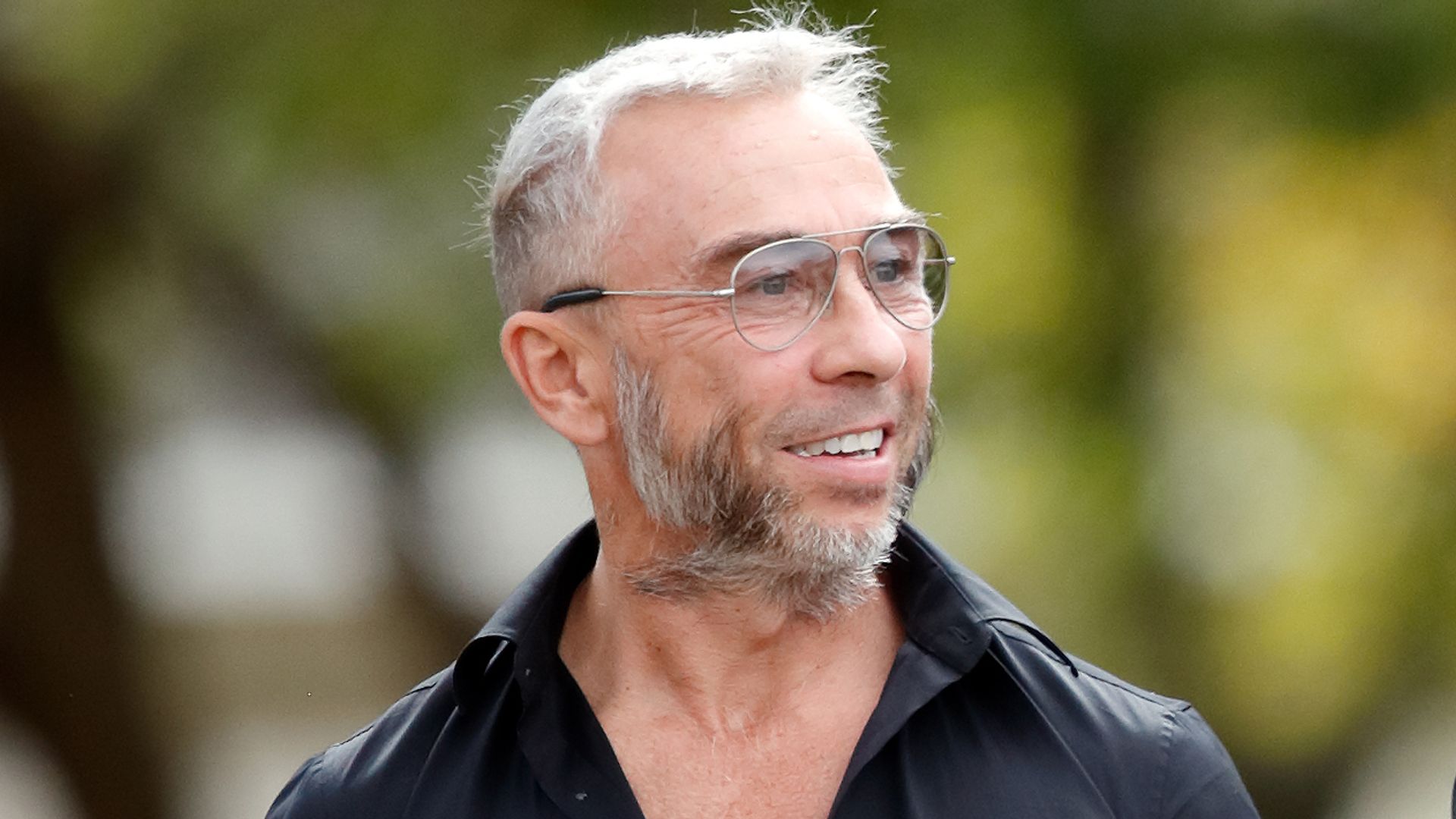
The headlines are efficient. They tell you that James Holder, the creative engine behind the multi-million dollar Superdry machine, has been sentenced to seven years for rape. They focus on the fall from grace, the mugshot, and the sordid details of a 2021 attack. But the media's "lazy consensus" is missing the systemic rot at the heart of founder-led empires. This isn't just a story about a high-profile criminal conviction. This is a story about the dangerous insulation of the British business elite and the failure of "brand" as a moral shield.
We are obsessed with the "genius founder" archetype. We give them a pass on erratic behavior, toxic management, and personal failings because they can sketch a jacket that sells a million units. This sentencing isn't a freak accident in an otherwise clean industry; it is the inevitable collision of unchecked ego and a legal system that finally refused to look the other way.
The Designer Shield Has Cracked
For decades, the fashion industry has operated under a unspoken rule: if you are the "creative soul" of a brand, you are indispensable. Holder wasn't just an executive; he was the DNA of Superdry’s aesthetic. When a man reaches that level of perceived value, a protective layer of "fixers," PR agents, and sycophants usually forms.
The industry usually handles these scandals with a quiet resignation and a rebranding campaign. Not this time. The seven-year sentence handed down at Worcester Crown Court is a blunt instrument breaking a very specific type of porcelain. It signals that the era of the "too-important-to-prosecute" founder is dead. If you think this is just about one man, you aren't paying attention to the shift in how corporate boards and the judiciary are viewing high-net-worth defendants.
Wealth Is Not a Character Reference
The defense tried the old playbook. They pointed to his "good character" and his professional achievements. This is the ultimate logical fallacy of the business world: the idea that because someone can build a global supply chain, they are fundamentally incapable of predatory violence.
Let's dismantle that. Professional success is often a byproduct of traits that, when left unchecked, become pathological:
- Narcissism: Necessary for branding, lethal in personal interactions.
- Boundary Dissolution: Founders are told to "break rules" and "ignore 'no'."
- Power Imbalance: When everyone in your life is on the payroll, your sense of consent becomes warped.
Holder’s conviction proves that "brand equity" is not a mitigating factor in a criminal trial. The court heard how he used his physical size and position to overpower the victim. The fact that he co-founded a company once valued at over £1 billion didn't make him more credible; it simply made the betrayal of social norms more visible.
The Business of Distancing
Watch how the corporate world reacts. They will try to sanitize the brand by treating Holder like a ghost. But you cannot decouple the creator from the creation so easily. Superdry has been struggling for years—shares have cratered, and it’s currently undergoing a massive restructuring to avoid insolvency.
The "contrarian" truth here? Holder’s legal disaster is the final nail in the coffin of the brand’s original identity. You cannot sell "cool, rugged, aspirational lifestyle" when the man who defined that lifestyle is sitting in a cell for the most heinous violation of another human being.
Investors like to talk about "Key Man Risk." Usually, they mean the risk of a founder dying or leaving for a competitor. They rarely discuss "Moral Key Man Risk"—the possibility that your brand’s visionary is a predator. If you’re an investor and you aren't auditing the personal conduct of the founders you back, you are a fool.
The Fallacy of the "Complicated" Creative
The media loves to use words like "fall from grace" or "tragic end." Stop. There is nothing tragic about a rapist going to prison. The tragedy belongs solely to the survivor who had to endure the attack and the subsequent trial.
By framing these stories as the "downfall of a mogul," we subtly shift the focus back to the perpetrator's loss of status. We prioritize the loss of a fashion icon over the reality of the crime. This "nuance" that defenders seek is actually just a distraction. A crime of this magnitude doesn't "complicate" a legacy; it erases it.
Why the Industry Won't Learn
The fashion world is built on the cult of personality. From Galliano to Holder, the industry has a habit of waiting for the dust to settle before asking, "Can we bring them back yet?"
This sentence needs to be a permanent lockout. The "industry insider" consensus suggests that talent is scarce and therefore we must be forgiving. I argue the opposite: talent is common, but integrity is the only thing that keeps a brand from becoming radioactive.
The Reality of Seven Years
In the UK, a seven-year sentence for rape means a significant period of actual incarceration before even being considered for parole. For a man used to private jets, luxury estates, and the absolute deference of employees, the structural reality of the prison system will be a total systemic shock.
There are no "PR pivots" in a Category B prison.
This isn't just about James Holder. This is a warning shot to every high-powered individual who believes their bank balance provides a buffer against the law. The shield didn't just crack; it shattered.
Stop looking for the "business angle" on how this affects Superdry’s stock price. The stock was already garbage. Start looking at the reality that power, no matter how much "creative genius" it’s wrapped in, is finally being held to account by a standard that doesn't care about your logo.
Burn the pedestals. Every single one of them.