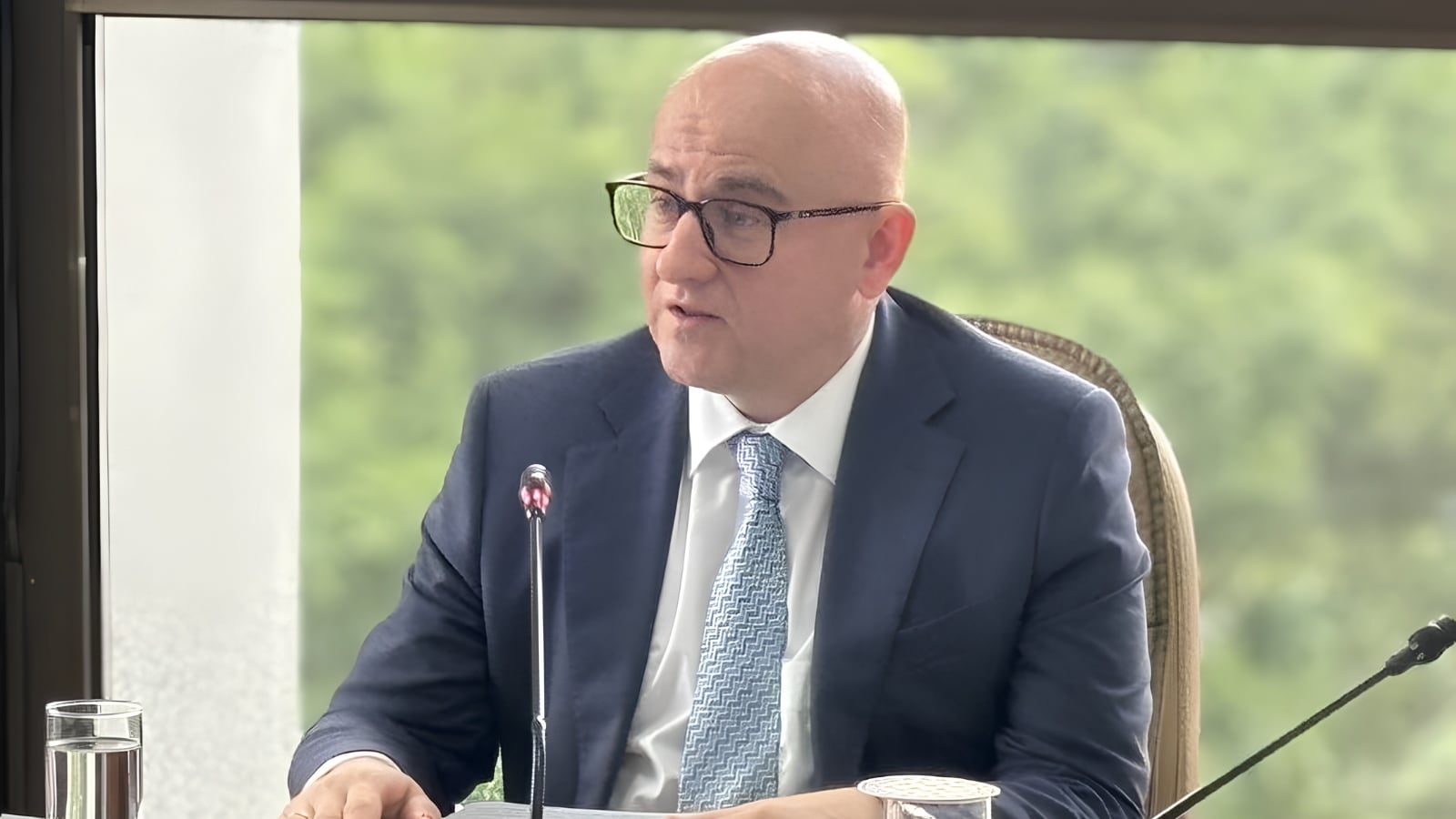
The headlines write themselves: India summons the Russian ambassador, expresses deep outrage over four dead Indian mariners in the Black Sea, and demands accountability. The press eats it up. The public sees a sovereign nation standing up for its citizens.
It is a complete farce.
Calling a diplomat into a foreign ministry building to air grievances is the diplomatic equivalent of sending a sternly worded email when a house is burning down. Everyone involved knows it. Russia knows it. India knows it. The dead mariners’ families, unfortunately, are the only ones left believing that a formal chat in New Delhi carries any real weight.
If you believe this diplomatic ritual signals a rift between New Delhi and Moscow, you are misreading the entire mechanics of global trade and wartime logistics.
The Illusion of Sovereign Rage
Diplomacy loves a good performance. When civilian casualties happen in international waters, governments must signal action to appease domestic media cycles. But let us look at the actual mechanics of what happens during a formal "summoning."
An envoy enters a room. A senior bureaucrat reads a prepared statement expressing "grave concern." The envoy takes notes, promises to convey the message back to their capital, and walks out to a barrage of camera flashes. No sanctions are levied. No trade deals are canceled. No military postures change.
I have spent years watching policy analysts dissect these diplomatic summons as if they carry structural weight. They do not. They are pressure valves designed to release public anger without altering national strategy.
India’s strategic calculus regarding Russia is anchored in three non-negotiable pillars:
- Defense hardware supply chains that cannot be swapped overnight.
- Massively discounted crude oil imports that keep domestic inflation grounded.
- A multipolar balancing act against regional adversaries.
Four dead mariners, tragic as their deaths are, will not bend that needle. To pretend otherwise is to trade operational reality for moral posturing.
Merchant Sailors Are Collateral in Black Sea Realpolitik
The Black Sea is currently one of the most hazardous commercial waterways on Earth. Ukrainian drone boats, Russian naval mines, and indiscriminate missile strikes have turned every commercial transit into a high-stakes gamble.
Why were Indian sailors on that vessel in the first place?
Because global shipping relies on a high-risk labor arbitrage model. The maritime industry routinely crews vessels operating in active war zones with seafarers from developing nations. Flag-of-convenience ships—registered in places like Liberia or Panama—traverse contested waters while the true charterers sit comfortably in Western financial capitals.
When a strike occurs, the outrage is directed at the missile launcher. The systemic issue, however, sits squarely on the commercial incentives that put those sailors in a firing corridor to begin with.
Ukrainian ports and Black Sea lanes are active targets. Any shipping company sending crew members into those coordinates understands the math. They buy war-risk insurance, bump up pay slightly, and bet on probability. When that bet fails, governments step in with ceremonial anger to mask the fact that commercial trade routinely accepts human attrition in war zones.
India Cannot Afford To Burn the Russian Bridge
Let us dismantle the core assumption circulating in Western commentary: that India should use this moment to pivot away from Moscow.
That suggestion ignores basic arithmetic.
India's Strategic Dependency Matrix
+--------------------+---------------------------------------+
| Sector             | Operational Reality                   |
+--------------------+---------------------------------------+
| Defense Equipment  | >50% legacy systems rely on Moscow    |
| Energy Security    | Russian crude dictates fuel prices    |
| Diplomatic Cover   | UN Security Council veto alignment    |
+--------------------+---------------------------------------+
Imagine a scenario where New Delhi takes a hardline stance. It revokes diplomatic privileges, halts trade negotiations, or aligns directly with Western maritime bans.
The immediate result? Domestic energy costs spike. Defense readiness drops as spare parts for fighter fleets and armored divisions dry up. Regional balances shift instantly to India's detriment.
Foreign policy is not a moral crusade; it is a cold audit of national survival. New Delhi’s primary mandate is to protect its 1.4 billion citizens from economic shock and defense vulnerabilities, not to play moral referee in an East-West proxy conflict.
Summoning the ambassador satisfies the daily news cycle while preserving the structural relationship. It is double-think elevated to statecraft.
The Hard Truth About Maritime Risk in Modern Warfare
If governments were serious about protecting mariners in the Black Sea, they would take concrete steps rather than issuing press releases:
- Mandate Red-Zone Bans: Prohibit national seafarers from crewing vessels entering designated high-risk naval combat zones.
- Enforce Direct Corporate Liability: Hold shipping companies criminally liable when they navigate civilian crews through known missile corridors without military escort.
- Establish Joint Escorts: Deploy sovereign naval assets to escort civilian supply ships—a move no nation involved in this crisis is willing to commit to because it risks direct escalation.
Instead, we get the standard playbook: express regret, issue a summons, wait for the news cycle to refresh.
The reality is uncomfortable. Civilian merchant mariners are running the gauntlet of modern war to keep global supply chains moving. Until shipping registries and nation-states face real financial costs for putting crews in harm's way, formal diplomatic protests will remain what they have always been: noise disguised as action.
New Delhi delivered its message to Moscow. The Russian envoy listened, bowed out, and transmitted the transcript back home, where it was promptly filed away. The oil will keep flowing, the defense supply lines will remain open, and commercial ships will continue entering the Black Sea tomorrow morning.