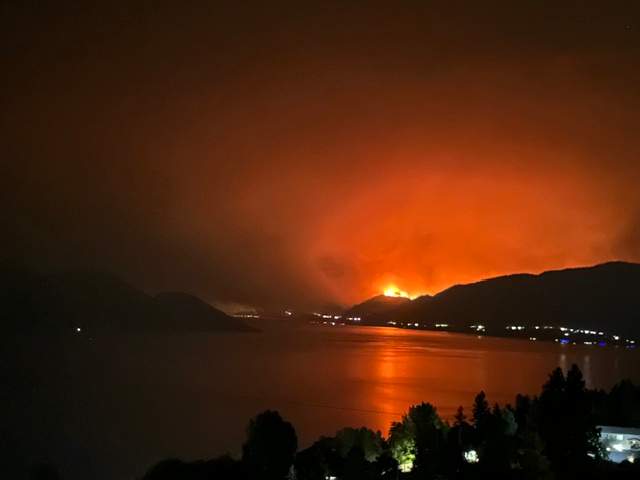
Fire behavior is changing. You can feel it in the air, and firefighters are seeing it on the ground. When the Summerland wildfire broke out, it didn't just burn timber. It tore through the landscape with an aggressive speed that caught seasoned emergency crews completely off guard.
Conditions were dry. That's normal for summer. But the sheer intensity of the burn defied historical models. Weather patterns that used to guarantee safety failed. Winds shifted violently. Humidity dropped to levels normally reserved for deserts.
If you think this was just another seasonal blip, you're missing the big picture.
The Reality Behind the Flames
Traditional wildfire management relies on history. Crews look at past decades, analyze fuel loads, and predict how a fire will spread based on established weather averages. Summerland threw those rulebooks straight out the window.
The vegetation wasn't just dry; it was baked. Years of compounding drought transformed normal brush into literal kindling. When ignition happened, the fire didn't crawl up tree trunks. It exploded horizontally and vertically all at once.
Experts point to a dangerous combination of factors:
- Extended heatwaves that sucked every ounce of moisture from the soil.
- Unpredictable micro-wind events that drove embers miles ahead of the main front.
- Rapid nocturnal fire spread, which historically rarely happens because temperatures cool down at night.
What Emergency Responders Are Up Against
Fighting a fire like the one in Summerland requires a total shift in tactics. Water drops from planes only do so much when the heat creates its own weather system. Fire tornadoes and erratic updrafts can toss burning debris across wide firebreaks like they aren't even there.
Local officials had to evacuate neighborhoods in hours, sometimes minutes. Communication channels jammed. Residents panicked because the standard warning timelines simply didn't apply to a fire moving this fast.
You cannot rely on old evacuation plans when the speed of the disaster triples overnight.
Protecting Your Property Right Now
Waiting for an alert is a bad strategy. If you live anywhere near a wildland-urban interface, you need to act long before smoke appears on the horizon.
Clear your gutters. Embers love dry pine needles tucked away in roof corners. Cut back tree branches that hang over your house. Create a defensible perimeter of gravel or stone instead of flammable shrubs right up against your exterior walls.
Pack a go-bag today. Put your vital documents, hard drives, medications, and pet supplies in one spot by your front door. Do not wait until power lines go down and panic sets in.
The Summerland incident proved that modern fire seasons are rewriting their own rules. Stay alert, respect the danger, and take your personal safety into your own hands.


