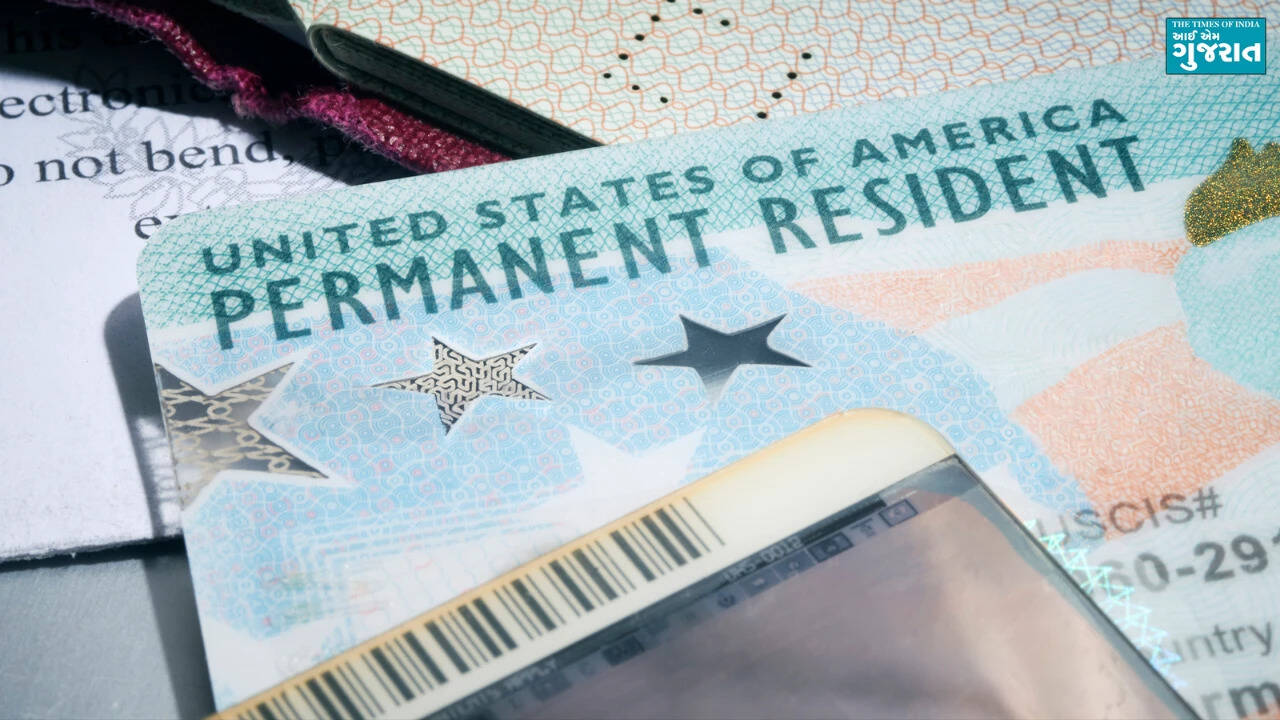
Federal courts are systematically dismantling the executive branch's mechanism to freeze immigrant visa processing across seventy-five targeted nations. In a detailed July 31 ruling, U.S. District Judge Amit Mehta declared the Department of State's sweeping public charge policy illegal, finding that Secretary of State Marco Rubio exceeded the statutory authority explicitly granted by Congress. The decision directly addresses the ongoing freeze that has stalled thousands of immigrant visa applications, including employment-based and family-sponsored green card petitions, by mandating uniform rejections or indefinite holds based strictly on an applicant's country of origin.
To understand why this policy collided so violently with federal statute, one must examine the mechanics of American immigration law. Congress originally enacted the Immigration and Nationality Act to distribute absolute discretionary power over individual visa adjudications to consular officers on the ground. These officers are required by law to evaluate every applicant on a case-by-case basis.
The administration's public charge directive effectively turned this statutory mandate upside down. Instead of individualized evaluations, the policy established a blanket checkpoint for applicants from seventy-five specific countries deemed more likely to utilize public benefits. Consular posts were directed to halt approvals or issue automatic denials, effectively stripping frontline officers of their independent legal judgment.
Judge Mehta’s memorandum opinion zeroed in on this precise statutory overreach. Under the law, the Secretary of State manages foreign affairs and general administration, but lacks the administrative jurisdiction to dictate individual visa outcomes. When an executive agency uses sweeping procedural memos to bypass clear statutory limits, it violates the Administrative Procedure Act.
The legal challenge that prompted this rebuke was brought by a Brazilian national pursuing an EB-5 investor visa whose application was frozen indefinitely under the directive. Government attorneys leaned heavily on the doctrine of consular non-reviewability, a long-standing legal principle that historically insulates consular visa decisions from judicial oversight.
That defense failed. The court ruled that consular non-reviewability does not protect a broad, agency-wide policy designed to predetermine outcomes before a consular officer even opens a file.
Department of Human Services and State Department spokespersons have maintained that the administration is simply upholding rigorous standards of vetting to protect public resources. From the administration's perspective, screening applicants for potential future reliance on public assistance is a vital national interest.
Yet the friction point remains structural, not philosophical. Federal judges across multiple jurisdictions are finding that the executive branch attempted to rewrite immigration statutes through internal policy cables rather than through the formal, congressionally mandated rulemaking process.
As litigation multiplies in federal district courts from Washington, D.C. to New York, the administration faces a compounding series of injunctions. Each successful challenge peels back another layer of the blanket freeze, forcing the government to justify broad categorical restrictions against explicit statutory text. The outcome of these legal battles will determine whether executive agencies can use administrative freezes to alter immigration flows without legislative approval.


