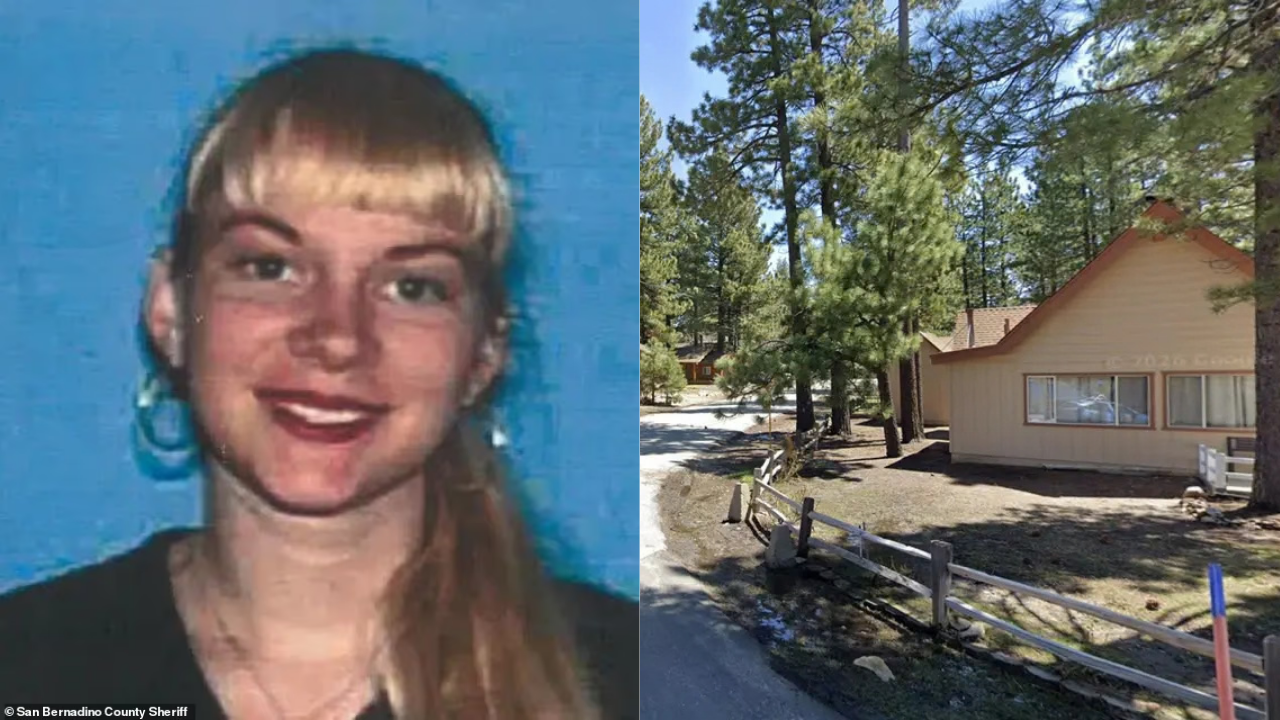
Residential real property anomalies carry specific risk profiles when structural alterations coincide with unreported missing persons cases. The discovery of human remains beneath a residential structure in California involving a historical homicide from 2006 exposes systemic vulnerabilities in property transfer verification, forensic investigation lifecycles, and domestic surveillance continuity.
This analysis deconstructs the structural breakdown points that allow severe felonies to remain concealed within domestic infrastructure for extended periods. By examining the mechanics of concealment, investigative latency, and real estate transparency vectors, we establish a rigorous framework for understanding how systemic oversight failures permit long-term non-discovery.
The Mechanics of Structural Concealment
Concealment within a residential environment relies on the exploitation of dead space, structural encapsulation, and the decay mitigation properties of soil and masonry. When a homicide occurs within a domestic setting, the immediate post-incident phase dictates the long-term probability of detection.
[Incident Event]
       │
       ├──► Immediate Surface Remediation (Cleaning, Repainting)
       └──► Sub-Surface / Structural Encapsulation (Crawlspaces, Slabs)
                  │
                  ▼
         [Long-Term Dormancy Phase] ──► Property Transfer / Renovation Trigger
The physical containment of human remains beneath a primary dwelling typically utilizes existing subterranean vulnerabilities, such as unpaved crawlspaces, foundation voids, or areas beneath concrete slabs poured subsequent to the event.
Subterranean Voids and Soil Dynamics
Unpaved crawlspaces provide immediate access to excavation without requiring heavy machinery or altering exterior structural footprints. The physical dynamics of soil disturbance involve distinct variables:
- Compaction Resistance: Disturbed earth exhibits lower compaction density compared to undisturbed strata, though settling typically normalizes over a 12-to-36-month window depending on moisture content and soil composition.
- Olfactory Suppression: Dense clay soils and alkaline environments can temporarily retard decomposition volatile organic compounds (VOCs), limiting immediate olfactory detection by occupants or immediate neighbors.
- Thermal Insulation: Sub-grade environments maintain stable thermal profiles, which alter insect activity cycles and microbial decomposition rates compared to surface exposure.
When a perpetrator introduces a physical barrier—such as vapor barriers, gravel layers, or secondary concrete pours—over an excavation site, it creates a secondary containment layer. This layer mechanicalizes the obstruction of standard property maintenance inspections, as utility workers and pest control operators rarely execute sub-soil core sampling during routine ingress.
Investigatory Latency and the Information Decay Function
The temporal gap between the commission of a crime in 2006 and its discovery decades later highlights the decay function of missing person investigations that lack active forensic momentum.
Investigative latency is governed by three primary variables: reporting thresholds, initial classification integrity, and cross-jurisdictional data silos.
The Reporting Threshold and Status Quo Bias
When an adult individual disappears under suspicious circumstances without immediate physical evidence of foul play, law enforcement agencies historically apply missing person classifications that prioritize voluntary departure or self-isolation. This status quo bias creates a data dormancy period.
During this phase, financial accounts, communication channels, and social networks cease active generation of real-time intelligence.
Probability of Detection = f(Active Intelligence Generation) / (Time Elapsed × Jurisdiction Shifts)
As time elapses, the probability of discovery degrades exponentially unless reactive triggers occur. These triggers typically fall into three operational categories:
- Conscience or Disclosure: Deathbed confessions, secondary witness disclosures, or informant leverage within separate criminal proceedings.
- Infrastructure Disruption: Major structural renovations, plumbing overhauls, or geotechnical engineering assessments that require sub-slab excavation.
- Cold Case Resource Reallocation: Systematic reviews by specialized homicide units utilizing advanced DNA phenotyping, familial database matching, or digitized record unification.
Real Estate Transfer Transparency and the Audit Gap
The transfer of residential property ownership over a multi-decade span introduces critical audit gaps. Real estate transactions rely heavily on voluntary disclosure frameworks, standard physical inspections, and title integrity checks. None of these mechanisms are engineered to detect subsurface biological anomalies.
Limitations of Standard Property Inspections
Home inspection protocols focus on structural integrity, electrical systems, plumbing, roofing, and HVAC performance. A standard home inspector evaluates visible crawlspaces for moisture, mold, and pest infiltration, not forensic anomalies.
- Visual Access Barriers: Insulation, stored items, or low clearance frequently restrict full visual and physical access to the entirety of a crawlspace floor.
- Non-Destructive Testing Mandate: Inspectors are explicitly prohibited from executing destructive testing, such as core drilling through concrete slabs or excavating soil beds, without explicit authorization and specialized equipment.
- Seller Disclosure Constraints: Disclosure laws require sellers to reveal known material defects affecting property value. However, historical criminal acts committed within or upon the property often fall into ambiguous legal categories depending on state-specific statutory requirements regarding stigmatized properties.
Title Continuity and Forensic Provenance
Subsequent buyers inherit the physical footprint of the property without access to the behavioral baseline of the original occupants. The chain of title documents legal ownership transfer but maintains zero linkage to the biological or forensic history of the land parcel. Consequently, an unsuspecting buyer can take possession of a crime scene without structural or legal indicators of its underlying risk profile.
Systemic Vulnerabilities in Domestic Homicide Resolution
The resolution of hidden-site homicides depends on breaking information silos between municipal police departments, county coroners, and real estate development updates. When a domestic partner or spouse is designated as a suspect, initial investigations often stall due to the absence of a recovered body.
Without physical evidence, prosecution thresholds under corpus delicti requirements present severe legal hurdles, incentivizing concealment strategies that prioritize permanent geographic separation of the victim from surface environments.
The intersection of structural permanence and human mobility ensures that hidden remains remain static while the surrounding demographic and administrative landscape shifts entirely. Detection, when it finally occurs, is rarely the result of proactive predictive policing; rather, it represents a mechanical collision between physical infrastructure maintenance and the eventual disruption of localized concealment environments.