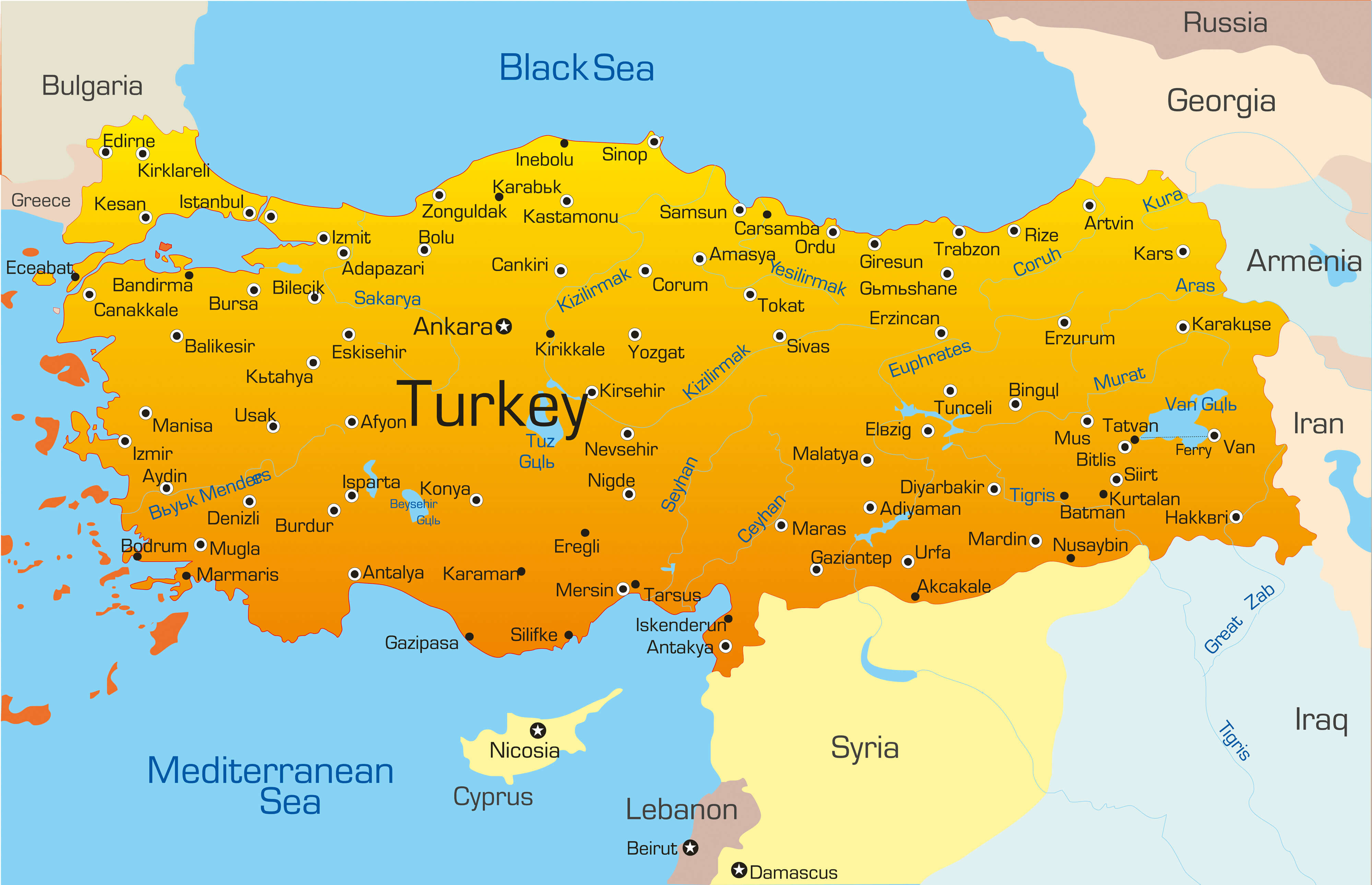
Geopolitical realignment rarely stems from sudden ideological conversion. Instead, the convergence of Ankara, Riyadh, and Islamabad reflects a calculated adjustment to shifting security guarantees and economic pressures across the Middle East and South Asia. Observers tracking regional friction points often misread these partnerships as transient diplomatic maneuvers. A closer examination of defense procurement patterns, intelligence-sharing frameworks, and fiscal dependencies reveals a permanent structural shift.
Traditional security models in the region relied heavily on bilateral security umbrellas anchored by external superpowers. As long-term credibility metrics for these traditional guarantees fluctuate, secondary powers are constructing multilateral redundancy networks. The diplomatic warming between Turkey, Saudi Arabia, and Pakistan illustrates how middle powers aggregate capabilities to hedge against strategic isolation, supply chain vulnerabilities in defense manufacturing, and localized escalation risks involving Israel and its security architecture.
The Tripartite Security Matrix
To understand the mechanics of this cooperation, analysts must deconstruct the specific operational vectors connecting the three states. Each actor brings distinct factor endowments to the coalition, creating a complementary security matrix rather than a symmetrical alliance.
Defense Industrial Base Integration
Turkey provides the technological engine for the partnership. Through aggressive domestic development in unmanned aerial systems, electronic warfare platforms, and precision guidance components, Ankara has established an independent defense manufacturing sector.
Pakistan contributes operational depth, nuclear deterrence capability, and vast human capital within military training and doctrine. The Pakistan Armed Forces maintain extensive institutional experience in counter-insurgency and conventional warfare, alongside established logistical conduits into South and Central Asia.
Saudi Arabia functions primarily as the capital allocator and strategic market. Beyond funding mechanisms, Riyadh's primary objective involves securing technological transfer agreements to build domestic sovereign defense manufacturing capabilities under Vision 2030 mandates.
When these three components combine, they bypass traditional Western export controls and bureaucratic approval bottlenecks. Joint research initiatives in aerospace and naval architecture allow Ankara, Riyadh, and Islamabad to co-develop capabilities that neither could easily procure through standard foreign military sales channels due to various political restrictions.
Economic Hedging and Capital Flows
Strategic alignment requires economic insulation. Bilateral currency swap agreements, foreign direct investment inflows, and joint energy infrastructure projects form the financial backbone of the partnership.
Pakistan requires immediate stabilization for its balance of payments crises. Saudi financial deposits and deferred oil payment facilities prevent acute sovereign default risks, buying time for structural reforms. In exchange, Pakistan offers strategic depth and a reliable security labor force.
Turkey integrates into this economic triangle by positioning its construction, manufacturing, and defense sectors as primary beneficiaries of Saudi capital expenditures. By denominating trade in local currencies or establishing bilateral clearing mechanisms, the three nations actively reduce their exposure to dollar-denominated financial sanctions and liquidity squeezes administered by Western institutions.
Geopolitical Drivers and Regional Friction Points
The acceleration of ties between Turkey, Saudi Arabia, and Pakistan directly correlates with rising threat perceptions regarding Israel's expanding regional integration and military technology dominance.
The Security Dilemma of Regional Integration
The Abraham Accords and subsequent normalization frameworks created a perceived encirclement effect for non-Arab regional competitors like Turkey and non-participating ideological states like Pakistan. For Ankara, Israeli intelligence reach and defense technology partnerships in the Eastern Mediterranean and the Caucasus represent a direct challenge to Turkish maritime and security doctrines. For Islamabad, any expansion of diplomatic and security architecture that bypasses the Kashmir dispute while integrating regional adversaries heightens long-term strategic anxiety.
Riyadh navigates a more complex calculus. While Saudi leadership recognizes the economic and technological utility of selective engagement with advanced technological sectors, domestic political legitimacy requires maintaining a firm stance on Palestinian statehood. Deepening ties with Turkey and Pakistan provides Riyadh with diplomatic leverage, ensuring that any future normalization architecture accounts for core Arab and Islamic coalition priorities.
Intelligence Sharing and Counter-Proliferation Dynamics
Beyond public diplomatic communiques, the operational core of the Turkey-Saudi-Pakistan axis rests on intelligence interoperability. Counter-terrorism cooperation, cyber defense intelligence, and maritime security patrols in the Red Sea and Arabian Sea form the baseline of operational integration.
Critics often question the durability of this axis given historical rivalries and divergent foreign policies, particularly Turkey's contentious relationship with various Gulf actors over the past decade. However, structural imperatives routinely override historical friction. The cost of strategic isolation in an era of great power competition outweighs historical grievances.
The Cost Function of Multilateral Hedging
Every strategic choice incurs trade-offs. By cultivating independent security architectures outside traditional Western frameworks, Ankara, Riyadh, and Islamabad accept specific institutional costs.
+-------------------------------------------------------------+
|              THE MULTILATERAL HEDGING TRADEOFF              |
+-------------------------------------------------------------+
|  BENEFITS                     |  COSTS                      |
+-------------------------------+-----------------------------+
|  • Supply Chain Autonomy      |  • Diplomatic Friction with |
|  • Diversified Capital Sources|    Traditional Allies       |
|  • Joint R&D Cost Sharing     |  • Interoperability Friction|
|  • Enhanced Regional Leverage |  • Capital Allocation Risk  |
+-------------------------------------------------------------+
First, interoperability friction remains high. Integrating Turkish command-and-control software with Pakistani Soviet-origin or Western-origin hardware requires complex retrofitting and standardized protocols. Second, diplomatic friction with Washington and European capitals increases as these nations pursue strategic autonomy. Defense procurement contracts diverted from Western prime contractors to Turkish state enterprises represent permanent revenue losses for traditional defense industrial bases.
Yet, from the perspective of the participating capitals, these costs are manageable risks compared to the alternative of strategic dependency.
Strategic Trajectory
The consolidation of ties between Turkey, Saudi Arabia, and Pakistan is not an ephemeral diplomatic alignment driven by transient headlines concerning regional conflict. It is a permanent structural adaptation to a multipolar international system where middle powers must aggregate capabilities to secure their sovereign interests.
Diplomatic engagement will likely transition from high-level summits to institutionalized joint commands, standardized defense procurement pipelines, and permanent financial stabilization mechanisms. Policymakers analyzing Middle Eastern and South Asian security must abandon the framework of traditional bilateral alliances and evaluate this tripartite axis as a core pillar of twenty-first-century regional stability.