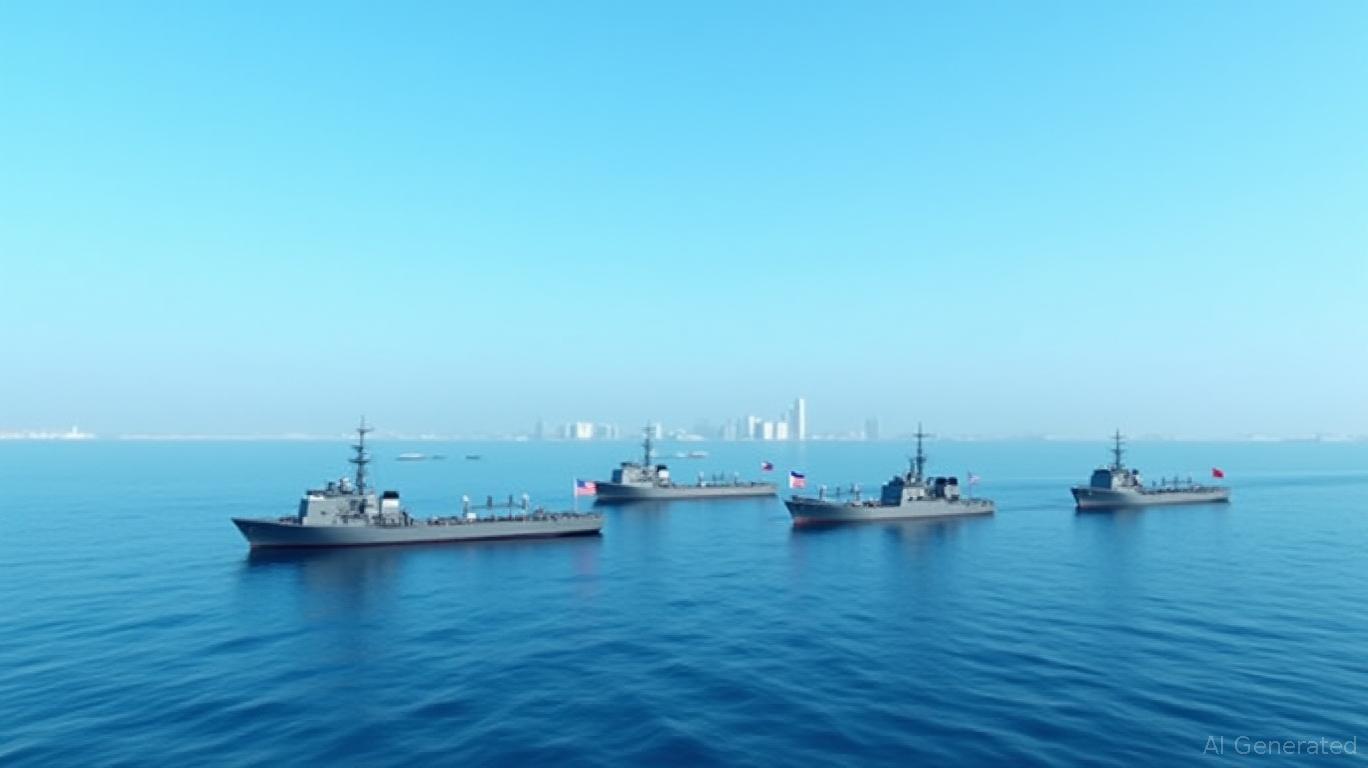
The Strait of Hormuz is back in a chokehold. Just when it looked like a shaky ceasefire might let the world’s energy lifeline breathe again, the situation disintegrated over the weekend. Shipping traffic has crashed to a near standstill after a chaotic 48 hours involving warning shots, engine room explosions, and a high-stakes seizure by the U.S. Navy. If you thought the "war on inflation" was tough, wait until you see the freight invoices hitting desks this morning.
On Monday, April 20, 2026, ship-tracking data showed only a handful of vessels brave enough to enter or exit the Gulf. We're talking about a trickle of traffic in a waterway that normally sees 130 to 140 ships a day. For anyone watching the global economy, this isn't just a regional spat. It’s a full-blown cardiac arrest for international trade.
The weekend that broke the ceasefire
Things went south fast. On Saturday, there was a glimmer of hope. Iran had signaled it would allow commercial traffic to resume, and about 20 ships actually made the transit. It was the busiest day since the war started in late February. Then the shooting started.
Reports from the U.K. Maritime Trade Operations and the Indian foreign ministry confirm that Iranian Revolutionary Guard gunboats fired on merchant vessels, including Indian-flagged tankers. India didn't take it lightly, summoning the Iranian ambassador after what they described as a "serious incident of firing." Imagine being a seafarer on a deck with a million barrels of crude beneath your feet, watching tracer rounds skip across the water. You wouldn't want to be the next guy in line to enter that strait.
By Sunday, the U.S. military responded with a move we haven't seen in this conflict yet. The USS Spruance intercepted the Touska, an Iranian-flagged container ship. According to CENTCOM, the Touska refused orders to turn around for six hours. The standoff ended when the U.S. Navy literally blew a hole in the ship's engine room to stop it. U.S. Marines then rappelled onto the vessel and took control.
Freight rates are becoming a nightmare
You can't expect shipping companies to sail into a shooting gallery for free. Since the war broke out, freight charges have surged by 500% in some segments. Even for "safer" routes, spot rates are up 30% or more. Insurance premiums are now so high that they're effectively a second mortgage on the cargo.
- Trapped Assets: Around 2,000 ships and 20,000 seafarers are currently stranded inside the Persian Gulf.
- The Price of Risk: Freight rates have spiked between 50% and 200% across the board, with extreme spikes during these "stressed windows."
- Fuel Surcharges: Carriers are already slapping emergency bunker surcharges on everything because their own operating costs are through the roof.
The reality is that "freedom of navigation" is currently a myth. Even if the U.S. says the strait is open for everyone except Iranian ships, and Iran says it's open for everyone except "hostile" ships, the result is the same. Nobody knows who is going to get shot at next. Captain Farhad Patel of Sharaf Shipping Agency put it bluntly. He said the "stop-start nature" of these announcements is now a bigger risk than the actual restrictions. Uncertainty is the ultimate trade killer.
Why the U.S. blockade changed the game
Last week, the U.S. shifted tactics. Instead of just protecting tankers, they started a blockade to choke off Iran's oil revenue. They've already forced 25 commercial vessels to turn around or return to Iranian ports.
This is a massive escalation. By seizing the Touska, the U.S. showed it's willing to use kinetic force against non-military Iranian vessels. Iran’s response? They shut the door again. Tehran's National Security Council announced they’ll keep "supervision and control" over the strait until the war is over. In plain English, that means if you aren't on their "friend" list, you aren't getting through without a fight.
What this means for your wallet
If you're wondering why gas prices haven't dropped despite all the talk of negotiations, this is why. Brent crude is hovering near $96 per barrel, and U.S. WTI isn't far behind at $89. Every time there’s a headline about a ceasefire, prices dip 10%. Every time a ship gets seized or fired upon, they bounce right back.
We're seeing the largest disruption to world energy supply since the 1970s. UNCTAD is already warning that global merchandise trade growth will slow to a crawl in 2026. It’s not just oil. Chemicals, plastics, and electronics components are all sitting on those 700+ ships currently anchored in the Gulf, waiting for a green light that might not come for weeks.
The move for shipowners and logistics managers
If you're managing a supply chain, stop waiting for the "reopening" news to be true. It’s been a revolving door of broken promises for two months.
- Diversify your sourcing immediately. If your raw materials or fuels are coming through Hormuz, you're essentially gambling on a daily basis.
- Audit your insurance. Standard maritime policies might not cover "war risk" in a zone that has been officially blockaded. Check the fine print before your cargo becomes an international incident.
- Prepare for the long haul. Even if a permanent deal is signed tomorrow, the backlog of 2,000 ships will take months to clear.
The Strait of Hormuz isn't just a geographic point on a map anymore. It’s the single biggest volatility trigger in the global market. Don't let a "shaky ceasefire" headline trick you into thinking the risk is gone. The Touska seizure proves that the rules of engagement have changed, and for now, the strait remains a no-go zone for anyone who values their hull.