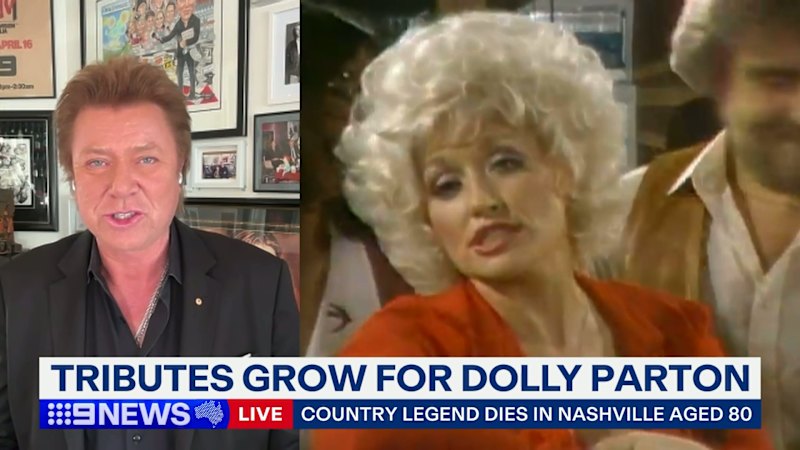
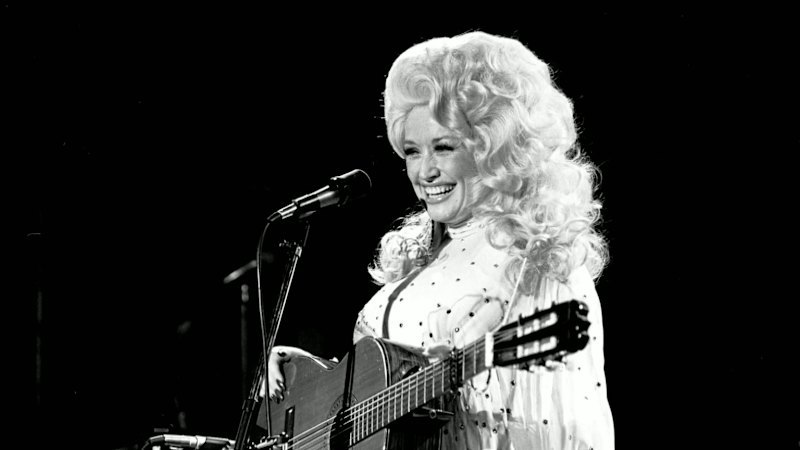
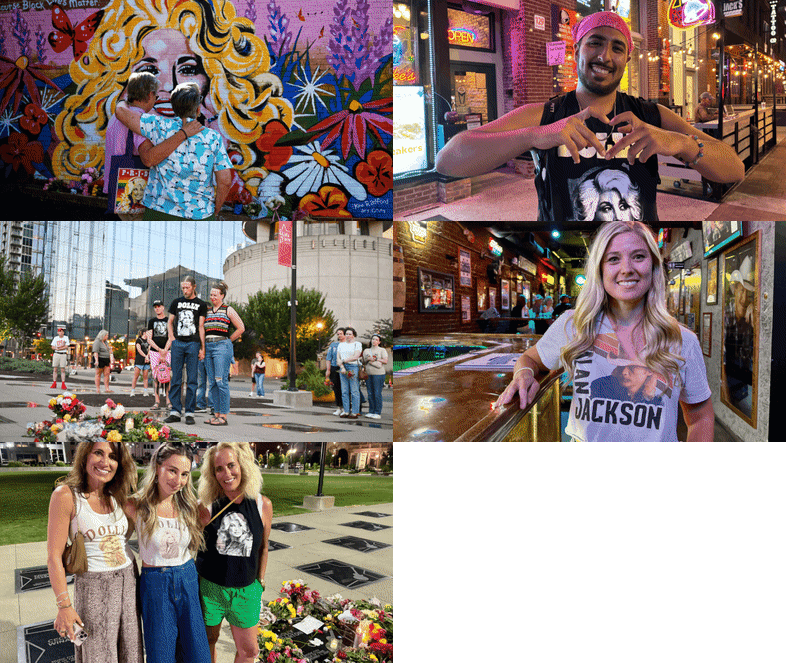
Every mainstream obituary, tribute, and glossy magazine retrospective paints Dolly Parton through the exact same sentimental lens. They call her a universal uniter. They talk about Appalachian folklore, folksy charm, and a timeless musical legacy that transcends political divides.
It is lazy, romanticized nonsense.
The lazy consensus in modern media treats Parton like a harmless, down-home national grandmother who stumbled into cultural ubiquity by accident. That framing misses the entire game. Parton is not a folksy relic of a simpler time. She is one of the most ruthless, brilliant media executives and intellectual property hoarders alive.
If you view her career purely as a string of country hits and charitable gestures, you are missing the masterclass in corporate autonomy right in front of your face.
The Myth of the Accidental Icon
For decades, the public narrative has pushed the idea that Dolly is just a pure-hearted singer-songwriter who happens to write catchy tunes. That view ignores the hard edges of her corporate strategy.
Let us look at the facts. In 1999, when Sony/ATV offered to buy her catalog of songs, she did what any sentimental folk hero would do: she said no and bought the publishing rights herself. She didn't want the validation of a corporate board; she wanted the cash flow. She retained complete ownership of her master recordings and publishing rights during an era when major record labels treated artists like disposable inventory.
I have watched dozens of independent creators and legacy artists hand over their life's work for an upfront check and a pat on the back, only to spend their golden years begging for licensing rights to their own names. Parton looked at Nashville's old boys' club in the 1970s, realized they would exploit her until the well ran dry, and built her own fortress.
She founded Sandollar Productions with her former manager Sandy Gallin. She developed her own theme park, Dollywood, not as a vanity project, but as a regional economic engine that revitalized Sevier County, Tennessee, while generating hundreds of millions of dollars in private equity.
When people ask, "How did Dolly manage to appeal to both conservatives and liberals without ever alienating anyone?", they are asking the wrong question entirely. The right question is: How did she turn her personal brand into an impenetrable, bulletproof corporate monopoly that nobody dares to criticize?
The answer is simple. She weaponized extreme likability as a defensive moat.
The Business of Radical Hospitality
Let us define terms. In modern entertainment, branding is usually loud, polarizing, and expensive. Parton did the exact opposite. She weaponized self-deprecation.
"It costs a lot of money to look this cheap."
✨ Don't miss: The Long Walk to the Chapel Door
That single quote is a masterclass in positioning. By leaning into the caricature of the high-maintenance Southern belle with big wigs and heavy makeup, she disarmed every corporate executive, talk show host, and moral scold who tried to box her in. She let them laugh at the aesthetics so she could quietly retain 100% control of the economics.
While artists today cry about algorithmic suppression and streaming payouts that barely cover rent, Parton was treating her image like a diversified venture capital portfolio thirty years ago.
- The Publishing Play: Owning the publishing rights to "I Will Always Love You" meant that when Whitney Houston covered it in 1992, Parton made a historic windfall. She didn't have to tour. She didn't have to chase trends. She sat back and collected checks that funded her entire philanthropic apparatus.
- The Regional Monopoly: Dollywood is not just an amusement park. It is a vertically integrated economic ecosystem. By anchoring her business empire in East Tennessee, she avoided the volatile overhead of Los Angeles and New York while securing massive tax incentives and unwavering local loyalty.
- The Literacy Empire: The Imagination Library gives away millions of books to children worldwide. Critics frame this purely as altruism. Strategically, it is the most brilliant brand-retention funnel ever conceived. You build lifetime brand loyalty before a child even enters kindergarten.
The Downside of the Dolly Model
Let us be completely transparent. There is a dark side to this level of hyper-controlled brand management.
When an artist becomes an untouchable national treasure, it creates a toxic environment for any genuine critique. You are not allowed to examine her corporate partnerships, her silence on specific labor disputes within her theme parks, or the way her massive real estate footprint reshaped East Tennessee real estate out of reach for working-class locals.
I’ve seen enterprise companies try to replicate this playbook—shielding a founder behind a wall of folksy charm while aggressively protecting corporate interests—and it almost always breeds a culture of compliance where dissent is impossible.
Parton's legacy is not a cozy campfire song. It is a masterclass in hostile corporate independence disguised as a bedtime story.
Stop looking at her as a saint of the cultural divide. Look at her as the ultimate CEO who figured out that if you smile wide enough, you can own the entire board while everyone else argues over the pieces.