Every time a winter storm bites off another chunk of sandstone in San Clemente or Del Mar, the urban planning establishment loses its collective mind. Headlines pop up declaring that Southern California's iconic coastal railroad is doomed by rising seas. The chorus repeats a clean, lazy narrative: nature is reclaiming the coast, the LOSSAN rail corridor is untenable, and we must spend upwards of five billion dollars to tunnel miles of track inland through the mountains.
It sounds pragmatic. It sounds sophisticated. It is also an expensive fantasy engineered by people who do not understand civil infrastructure, geology, or the political reality of modern construction.
The lazy consensus treats the Pacific Surfliner corridor as a fragile victim of climate change that needs to be packed up and moved away from the water. That perspective ignores how heavy rail corridors actually function, what an inland reroute would realistically cost, and why the obsession with abandoning the coast is a massive deflection from local negligence.
The Geography of Panic Versus Engineering Reality
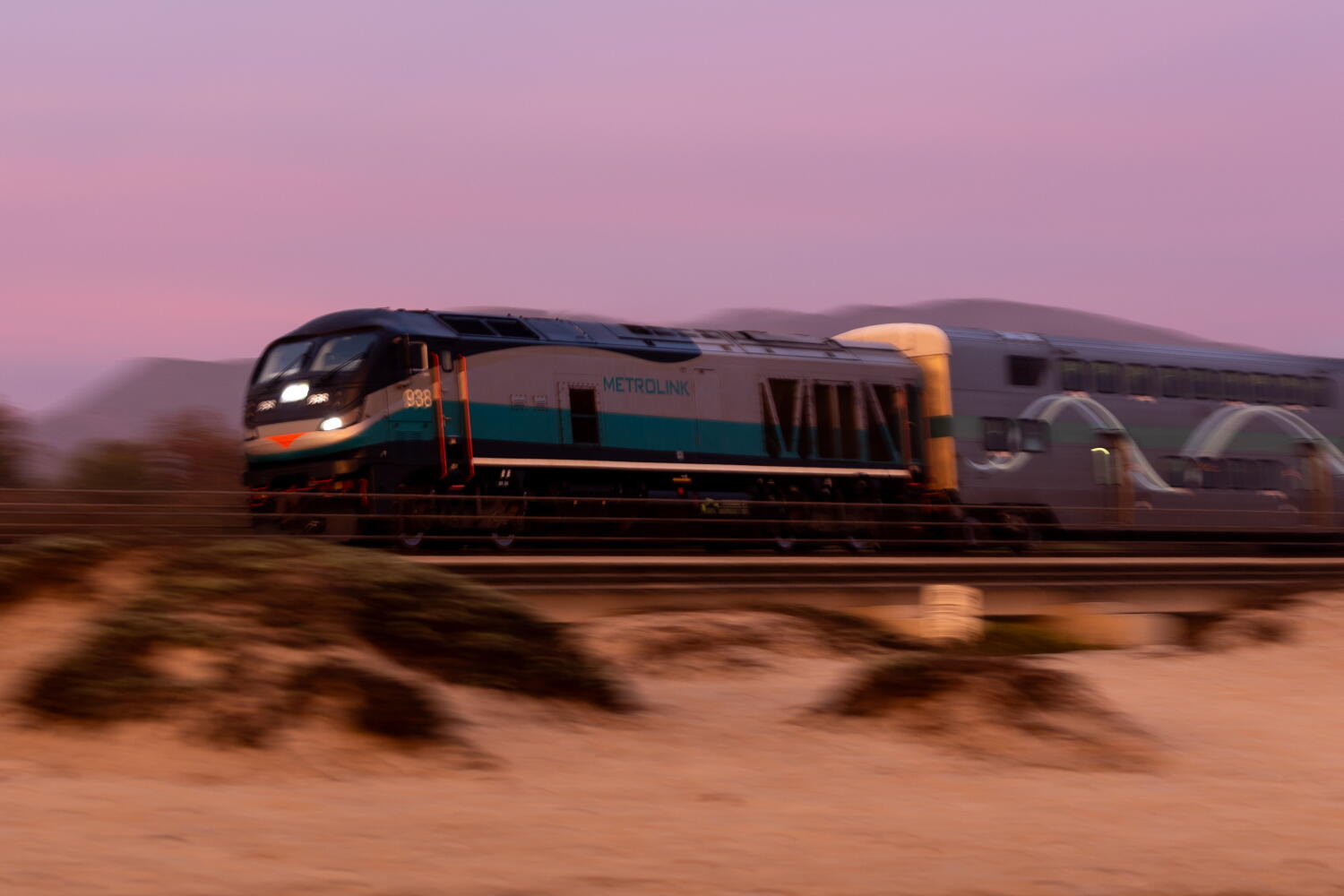
Let us clear up the basic technical misunderstandings immediately. The LOSSAN corridor is the second-busiest intercity passenger rail line in the United States, moving millions of riders, commuters, and critical freight between San Diego, Los Angeles, and San Luis Obispo. When winter storms shut down the tracks in San Clemente or trigger bluff slips in Del Mar, the media frames it as an existential crisis for coastal tracks.
The panic rests on a false premise: that the bluffs are dissolving exclusively because of global sea level rise. Rising seas play a role, but pretending they are the sole culprit is convenient shorthand for local governments that want to ignore their own contribution to the problem.
Take a close look at what actually destabilizes these formations. Groundwater saturation from over-watering hillside golf courses, leaky municipal water mains, unmanaged urban runoff, and poor drainage systems do far more structural damage to sandstone bluffs than gentle tidal action. We are pouring water onto the top of the cliffs from suburban sprawl and then acting shocked when the bottom drops out.
Instead of fixing the drainage upstream, agencies spend decades slapping titanium-reinforced soldier piles into the dirt, treating the symptoms while ignoring the municipal hose pointed directly at the dirt.
Why the Inland Reroute Is a Pipe Dream
The proposed solution—moving the tracks miles inland through a labyrinth of multi-billion-dollar tunnels—sounds clean on a napkin, but it collapses the moment it hits reality.
Imagine a scenario where transportation planners actually secure five to ten billion dollars, break ground on an inland tunnel route through the Santa Ana Mountains or suburban San Diego, and try to acquire right-of-way through some of the most expensive residential real estate in North America. It is a political and financial impossibility.
You would face decades of environmental lawsuits, fierce NIMBY opposition from homeowners whose property values would plummet, and engineering hurdles involving unstable inland fault lines that make coastal erosion look manageable.
Furthermore, an inland route defeats the primary utility of regional rail. People do not ride the Surfliner or the Coaster because they want a subterranean view of suburban backyards. They ride it because it connects coastal economic hubs directly. Push the tracks miles inland, strip away the ocean views, and add twenty minutes to the commute, and ridership craters. You spend billions of dollars to build a train line that nobody uses because it is no longer competitive with driving down the Interstate 5.
The Proactive Alternative We Refuse to Fund
If we want the coastal rail corridor to survive, we have to stop treating every landslide as a surprise emergency and start treating the rail bed like the permanent national lifeline it is.
Other nations with far more aggressive coastal weather do not throw their hands up and retreat every time a wave hits a wall. They harden, armor, and maintain. Look at European rail corridors hugging rough seas or high-speed lines engineered through difficult terrain. They rely on heavy, continuous civil maintenance rather than panic-driven relocation studies.
Armoring the coastal corridor requires unglamorous, heavy-duty interventions:
- Total replacement and redirection of municipal and residential runoff away from bluff edges.
- Comprehensive subsurface drainage networks that suck water out of the substrate before it can lubricate slip planes.
- Modernized seawall and revetment architecture that absorbs wave energy rather than reflecting it downward to scour the beach.
These solutions are not cheap, but they are a fraction of the cost of an inland tunnel project, and they keep the transit artery where the population density actually lives.
We do not need a multi-billion-dollar retreat from the coast. We need competence, localized water management, and the courage to stop building subdivisions and golf courses right on the edge of a geologic knife. Stop pretending that running away is a strategy. Fix the drainage, armor the alignment, and keep the trains on the coast.