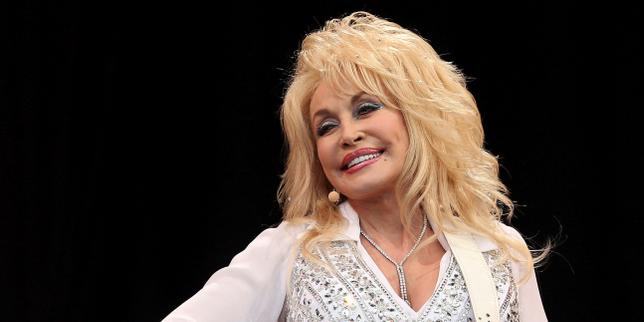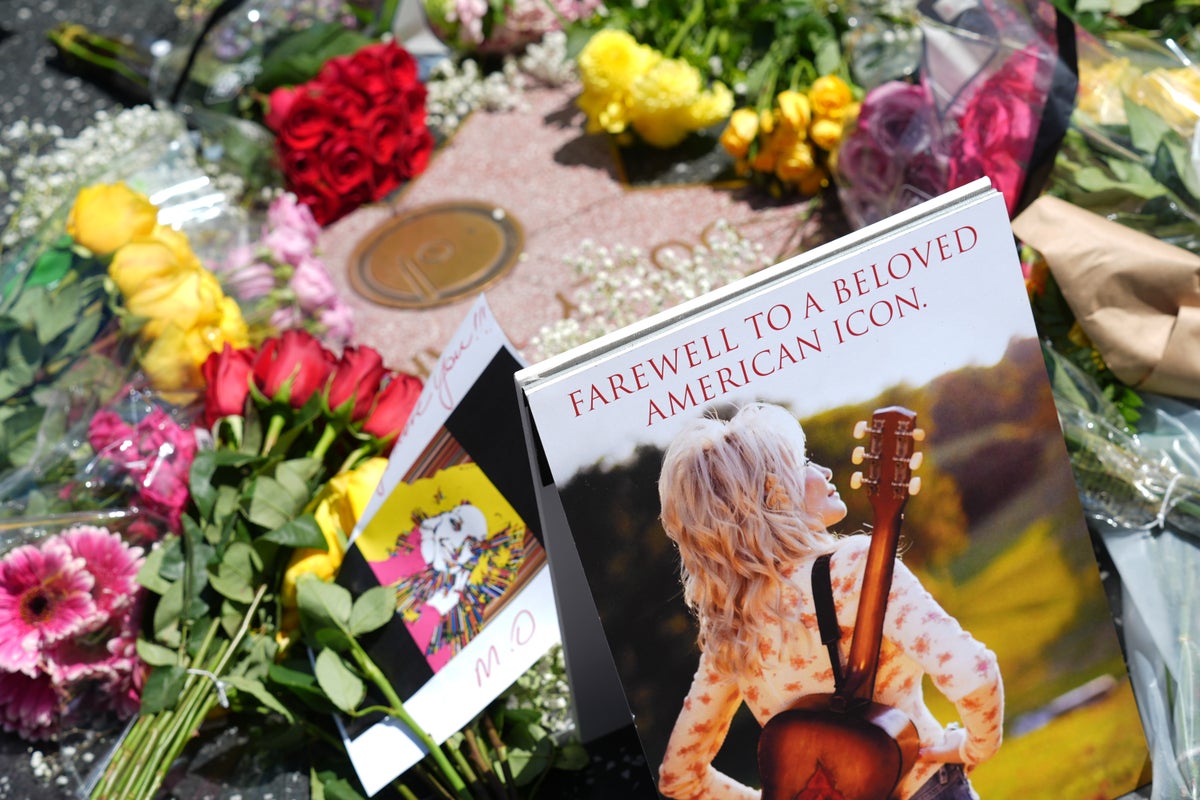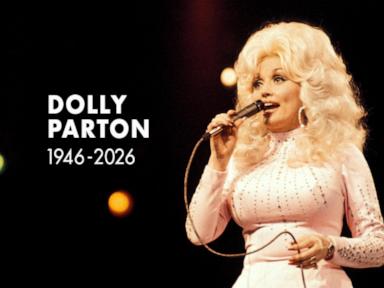
Every obituary writer, daytime talk show host, and pop culture pundit treats Dolly Parton like a bedtime story. They wrap her in a warm quilt of down-home folksiness, slap a rhinestone filter over her career, and reduce a titan of media ownership to a grinning, guitar-strumming grandma who just loves making people smile.
It is a comfortable narrative. It is also a total fabrication.
The lazy consensus is that Dolly Parton is a beloved national treasure who stumbled into wealth and fame purely through raw vocal talent and a magnetic, self-deprecating charm. The public sees the acrylic nails, the big blonde wigs, and the self-effacing jokes about how much it costs to look this cheap, and they mistake the marketing for the mechanism. They think she is a folk hero.
She is actually a predatory corporate strategist wrapped in sequins.
While the media focuses on her literacy program and her theme park cotton candy, Parton has spent decades quietly building a vertically integrated empire that rivals Silicon Valley giants in terms of intellectual property control and risk mitigation. She didn't survive sixty years in the most cutthroat industry on earth by baking biscuits. She survived by out-negotiating, out-publishing, and out-capitalizing every man who ever tried to put his name on her contract.
The Publishing Heist That Built an Empire
Let us start with the single smartest business decision in modern music history, one that every aspiring artist completely misinterprets.
In 1974, Elvis Presley wanted to record "I Will Always Love You." At the time, Colonel Tom Parker—Elvis’s notoriously predatory manager—demanded half of the publishing rights as a condition for the recording. Any normal artist in 1974, terrified of missing out on the biggest commercial boost imaginable, would have handed over the keys.
Dolly said no.
She walked away from the King of Rock and Roll. She kept 100 percent of her publishing rights. Twenty years later, Whitney Houston’s cover made that song one of the best-selling singles of all time, and the royalties built Parton a commercial real estate portfolio in downtown Nashville that would make a Wall Street developer blush.
People praise that story as an example of her small-town stubbornness. That is garbage. It was cold, calculated asset protection. Parton understood that in the entertainment business, copyright is the only currency that matters. While her peers were trading their future earning potential for upfront cash and momentary validation, she was hoarding intellectual property like a medieval dragon.
She owns her masters. She owns her publishing. She owns her likeness, her brand, and her likeness rights across a staggering array of merchandise. When you buy a Dolly Parton Christmas album, a branded dog toy, or a ticket to Dollywood, the cash flows directly through a private corporate apparatus that she controls with absolute authority.
The Dollywood Illusion
Mention Dollywood to an average fan, and they wax poetic about Appalachian heritage, wooden roller coasters, and funnel cakes. They see a charming regional amusement park nestled in the Smoky Mountains.
Look closer at the corporate structure.
Dollywood is not a mom-and-pop operation. It is a joint venture with Herschend Family Entertainment, one of the largest themed attraction operators in the United States. Parton retains a massive ownership stake while outsourcing the day-to-day operational headache to seasoned theme park executives. She gets the PR glow of regional economic development while extracting maximum corporate yield.
More importantly, Dollywood serves as the economic engine for Sevier County, Tennessee. By anchoring the local tourism economy, Parton has positioned herself as an untouchable political and economic force in her home state. When you control the primary employer of an entire region, you do not need lobbyists. You are the infrastructure.
This is where the standard media narrative collapses. They want you to believe she built a theme park because she loves children and cotton candy. She built a theme park because real estate and entertainment conglomerates are high-margin cash cows that insulate artists from the cyclical whims of the recording industry. While other legacy musicians are forced to tour into their eighties just to pay their health insurance, Parton’s enterprise generates predictable, passive revenue streams year-round.
The Weaponized Persona
The greatest trick Dolly Parton ever pulled was convincing the world that she is an open book.
Her public persona is a masterclass in deflection. By leaning hard into self-deprecating humor about her body, her wigs, and her humble beginnings, she disarms critics and neutralizes corporate scrutiny. When a journalist sits down with her, they are so busy laughing at her jokes about plastic surgery that they forget to ask about her balance sheet.
She weaponizes down-home charm to mask an ironclad work ethic and a zero-tolerance policy for professional disrespect. Rumors of feuds are swiftly neutralized with a joke; business disputes are settled behind closed doors with aggressive legal maneuvering.
Consider how she handled the public pressure to take a political stance during various culture war flashpoints over the last decade. Instead of alienating half her customer base on cable news, she issued gentle, diplomatic statements emphasizing unity and kindness. Critics on the left called her cautious; critics on the right called her woke.
Both missed the point entirely.
Parton understands audience segmentation better than any modern media executive. She has spent fifty years cultivating a cross-demographic coalition of fans that spans rural conservatives, urban liberals, the LGBTQ+ community, and international markets. Alienating any segment of that audience for the sake of a fleeting Twitter controversy is bad business. Her brand is universal goodwill, and she protects that asset with the defensive posture of a sovereign nation.
The Philanthropy Shield
We need to talk about the Imagination Library, her flagship literacy program that has mailed millions of books to children around the world.
It is a genuinely noble initiative. It changes lives. It fosters early childhood literacy on a massive scale.
It is also the ultimate corporate PR shield.
When you command an empire of this scale, regulatory scrutiny, tax liabilities, and public criticism are inevitable. By tying her personal brand to an unimpeachable philanthropic cause, Parton has created a forcefield around her business dealings. Who is going to dig into the corporate structuring of her licensing deals when she is busy mailing books to toddlers?
This is not a criticism of her generosity. Philanthropy at this level is often dismissed as pure altruism, but in the hands of a master strategist, it is also structural insurance. She funds her projects efficiently, partners with local nonprofits to distribute the administrative burden, and ensures her name remains synonymous with benevolence. It is brilliant reputation management.
Stop Patronizing Legends
The persistent urge to infantilize successful women in entertainment is exhausting. We see it with Taylor Swift, we see it with Beyoncé, and we saw it for decades with Dolly Parton.
The media refuses to credit female superstars with cold, calculating business acumen. Instead, they attribute their success to "authenticity," "charm," and "luck." They treat them like lightning rods that accidentally caught fire, rather than architects who built the power plant.
Dolly Parton did not become a multi-hundred-million-dollar enterprise by accident. She did it by outsmarting every old-school record executive who thought they could exploit a poor girl from Locust Ridge. She did it by treating her career like a Fortune 500 company from day one.
Stop reducing her to a folksy caricature. Start studying her business model.
She doesn't need your pity, your folksy nostalgia, or your gentle condescension. She owns the masters, she owns the publishing, and she owns the room.
She is the boss. And she has been laughing all the way to the bank while you were humming "Jolene."