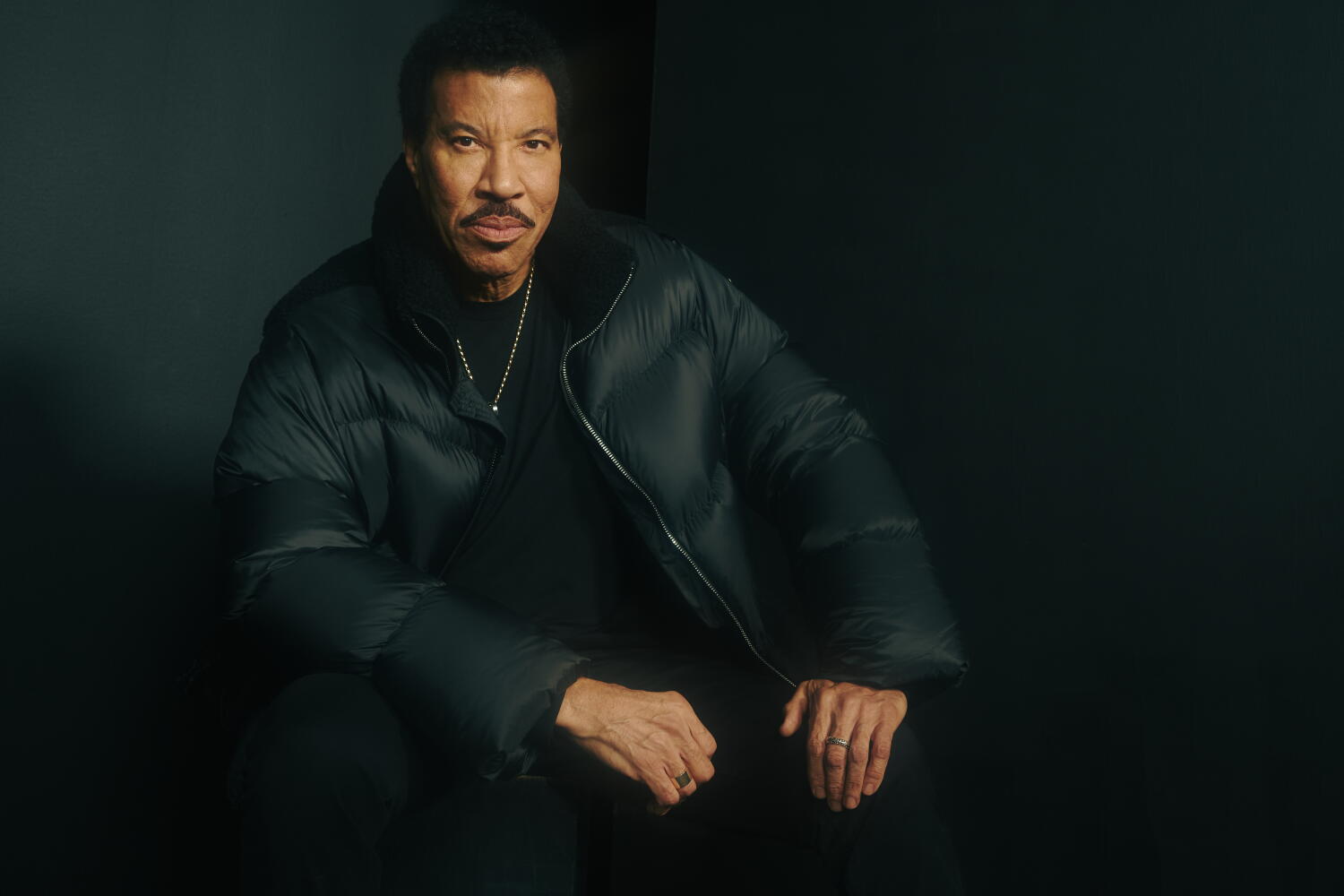
The entertainment media loves a sanitized narrative. When news dropped about Lionel Richie pausing his relentless tour schedule alongside Earth, Wind & Fire to address a heart procedure, the industry machine did what it always does. It packaged the crisis into a comfortable, digestible human interest story about resilience, silver linings, and the unbreakable spirit of a music icon.
It is a comforting lie.
We are watching a slow-motion demolition derby disguised as a victory lap, and nobody wants to admit that the real villain isn't a faulty valve or a sudden health scare. The villain is an extractive touring ecosystem that treats legendary artists like rechargeable batteries, squeezing every last drop of equity out of a catalog until the human body simply refuses to cooperate.
Let us look past the PR statements and confront the mechanics of the modern legacy tour.
The Exhaustion Economy
Touring has changed. The streaming era decimated recorded music revenue, shifting the financial burden almost entirely onto the live sector. For legacy acts, this means the road is no longer a promotional vehicle for a new album. The road is the primary balance sheet.
When an artist with a catalog spanning five decades hits the road on a co-headlining amphitheater run, the economic pressure to sustain massive production overheads, crew payrolls, and corporate guarantees is staggering. Promoters want dates. Venues want occupancy. Fans want nostalgia. Nobody asks what happens to a seventy-plus-year-old cardiovascular system when subjected to red-eye flights, timezone fragmentation, relentless arena air, and the sheer metabolic furnace of a two-hour high-energy performance night after night.
We romanticize the hustle. We call it dedication.
I call it reckless mismanagement of human capital.
When Lionel Richie postponed dates or stepped away to handle a medical intervention, mainstream outlets framed it as a temporary speed bump. They told us he would bounce right back, hitting the tarmac with a smile. That framing misses the systemic point entirely. This is not an isolated incident. It is a predictable outcome of an industry addicted to the myth of perpetual motion.
The Medical Reality Nobody Discusses
Let us bring some actual physiological rigor to a conversation usually dominated by sentimental fluff.
As human beings age, the heart undergoes structural remodeling. Myocardial compliance decreases. The left ventricle stiffens. Maximum heart rate drops. These are immutable biological laws that no amount of clean living or personal trainer discipline can entirely reverse. When you subject an aging body to the acute stress of stage performance—adrenaline spikes, autonomic nervous system overactivation, and physical exertion—you test every margin of safety the cardiovascular system possesses.
A stop-and-go touring schedule is arguably worse than a continuous block of shows. The constant disruption of circadian rhythms, sleep deprivation, and abrupt shifts in physical output create chronic inflammation and cortisol surges.
When an artist undergoes a heart procedure, it is treated as a mechanical fix, as if a mechanic is swapping out an alternator in a vintage Cadillac. Doctors patch the immediate issue—an arrhythmia, a valve concern, or circulatory strain—and clear the patient for light activity. But the underlying stressor remains completely untouched. The calendar still looms. The promoters are still waiting in the wings with updated routing.
Fixing the heart without fixing the schedule is like bailing water out of a sinking ship while drilling new holes in the hull.
The Fan Complicity Trap
We share the blame. As consumers of nostalgia, we demand authenticity and physical presence. We want the original voice, the original swagger, the exact same kinetic energy we saw on television screens in 1985.
We punish artists who try to age gracefully by scaling back their production. We scoff at playback, demand three-hour setlists, and complain when ticket prices reflect scarcity, ignoring the toll that physical endurance takes on veterans. By demanding that legends perform at peak athletic levels into their golden years, we become active participants in their exhaustion.
True fandom does not mean extracting every last ounce of performance out of an artist until they collapse under the spotlight. True fandom means accepting that legends have finite physical limits and celebrating their legacy without demanding self-destruction as the price of admission.
The Industrial Complex of Denial
The touring industry runs on mandatory optimism. Booking agencies, management firms, and corporate sponsors cannot afford to acknowledge human fragility because fragility kills stock values and ticket sales. Insurance underwriters hold the real power, dictating terms based on actuarial tables while public relations teams spin the narrative toward triumph over adversity.
This creates a toxic conspiracy of silence. Everyone knows the pace is unsustainable. Everyone knows that forcing artists well past normal retirement age into grueling itineraries is a dangerous game of musical chairs. Yet everyone keeps dancing because the financial incentives to stay quiet are too high.
Until we change how we value live performance, we will keep reading these headlines. We will keep watching icons fall silent mid-tour, followed by collective gasps of surprise, followed by a swift return to the exact same punishing schedule that broke them in the first place.
It is time to drop the sentimental applause and demand a sustainable model for the artists who soundtracked our lives. Let the legends rest. Before the industry runs out of hearts to break.