The mainstream sports press has found its collective crying towel for the 2026 FIFA World Cup, and the headline is predictably alarmist. According to the prevailing media narrative, the sky is falling because strict US immigration enforcement, travel bans on specific nations, and aggressive border security measures are supposedly ruining "the beautiful game." Analysts are weeping over hotel bookings tracking under projections in host cities, while human rights organizations are begging corporate sponsors to demand an "ICE Truce" at stadium gates.
This entire narrative is built on a lazy, economically illiterate consensus. Don't miss our earlier article on this related article.
The idea that strict visa vetting and unwavering border protocols are fundamentally wounding the financial or cultural success of the tournament is completely wrong. It miscalculates how international sports tourism actually works, who drives the revenue, and the structural reality of stadium economics. I have spent years tracking how massive sporting spectacles interface with municipal finances, and I can tell you that the panic over empty seats caused by visa delays is a manufactured crisis.
The media wants you to believe that a World Cup requires frictionless global transit to thrive. The reality is that the US border regime is unwittingly acting as a quality-control filter that protects local economies from a massive logistical deficit. To read more about the background here, The Athletic offers an excellent summary.
The Myth of the Displaced Foreign Super-Consumer
The foundational flaw of the "exclusion crisis" argument is the belief that every international fan denied entry represents a net economic loss for the host city.
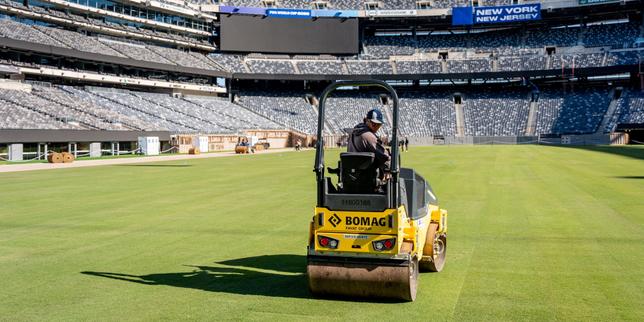
Consider the raw math of stadium capacity. The United States is hosting 78 out of 104 matches in cavernous NFL stadiums built to hold 70,000 to 100,000 spectators. The demand for World Cup tickets within the domestic US market alone is structurally insatiable. The US boasts the largest, most affluent immigrant and expat soccer-mad populations on earth. Millions of Mexican-American, Colombian-American, and European-expat fans living in Texas, California, New York, and Florida possess high disposable incomes, valid US passports, and zero visa friction.
When a spectator from Ghana, Iran, or Côte d'Ivoire is denied a visa or deterred by processing wait times, that seat does not sit empty. It is instantly absorbed by a domestic buyer via primary or secondary markets.
From an internal corporate sponsorship and ticket sales perspective, a dollar spent by a soccer fan from Chicago is identical to a dollar spent by a fan flying in from Accra. In fact, the domestic consumer is frequently more valuable to the overall economic ecosystem. They do not risk getting stuck at a port of entry, they understand local commercial systems, and they possess domestic credit lines optimized for immediate merchant extraction.
The Tourism Substitution Effect the Media Ignores
Hotel associations are panicking because bookings in certain host cities are tracking below the wild, speculative forecasts generated three years ago. They blame the tense geopolitical climate and strict visa vetting.
They are diagnosing the completely wrong disease.
What these analysts fail to mention is a well-documented economic phenomenon known as the crowding-out effect or tourism substitution. I have seen cities blow millions chasing mega-events only to realize that normal, high-spending business travelers and traditional tourists actively avoid a city during a massive tournament.
Imagine a scenario where a corporate executive needs to schedule a high-level manufacturing conference in Los Angeles or Dallas. If they see that hotels are gouging at $800 a night and the airport is a chaotic mess due to a World Cup match, they reschedule or move the venue to a non-host city. The World Cup does not create entirely new tourism revenue out of thin air; it replaces stable, high-margin commercial travel with highly volatile, single-interest sports tourism.
The strictness of US border vetting actually dampens the absolute peak of this chaos. By maintaining a rigid entry standard, the government introduces a predictable friction point that stabilizes the infrastructure. Frictionless entry would completely overwhelm municipal transit, airport security lanes, and hospitality staffing levels, leading to systemic logistical failure.
The High Cost of the Frictionless Entry Fantasy
The critics demand a "FIFA Pass" with rubber-stamped approvals or an outright suspension of standard security protocols for anyone holding a match ticket. Let us look at the structural downsides of that approach.
International tournaments are premier targets for human trafficking syndicates, document fraud networks, and overstay exploitation. When a host nation waives its standard immigration vetting in the name of sports optics, it creates an immediate national security liability.
Furthermore, FIFA’s historical demands on host nations are notoriously extractive. They require tax exemptions, sovereign legal immunities, and special fast-track entry lanes that effectively relegate local statutory law to a secondary status.
The current administration’s refusal to bow to FIFA’s demands is not a failure of diplomacy; it is a rare instance of a sovereign state maintaining domestic legal integrity against a corrupt international sports cartel. When FIFA President Gianni Infantino shrugged and stated that FIFA cannot interfere with government immigration decisions, he was admitting defeat to a basic reality: the US market is too big and too profitable for FIFA to bully.
Stop Vetting the Fan, Start Vetting the Economic Premise
Instead of crying about visa wait times in Abidjan or Bogota, municipal leaders and stadium operators should be optimizing for the audience they actually have. If you want to maximize the yield of this tournament, stop trying to fix international consular backlogs. Do this instead:
- Pivot Completely to the Regional Dispersal Market: Host cities should immediately redirect their marketing budgets away from international tourism boards and laser-focus on a 500-mile driving radius. The real economic driver of the knockout stages will be the domestic fan who drives in, buys premium parking, dines outside the stadium zone, and returns home without occupying a hyper-inflated hotel room.
- Dismantle the Arbitrary Price Gouging: The reason hotel bookings are soft is not just the visa crisis; it is that hotels priced their rooms based on the assumption that millions of foreign billionaires were flying in. When you normalize the room rates to match domestic reality, the occupancy rates stabilize instantly.
- Ignore the ICE Truce Virtue Signaling: Activist groups demand that federal immigration agents stay away from venues. From a raw operational standpoint, visible security and strict perimeter control are exactly what keep massive, politically charged global crowds from devolving into structural stampedes or security breaches. The presence of law enforcement is a baseline logistical necessity, not a marketing detriment.
The 2026 World Cup will make billions of dollars. The stands will be packed, the noise will be deafening, and the television ratings will break records. But it will succeed because of the economic power of the domestic American market and the structural stability of its venues—not because of some idealized, borderless fantasy that never existed in the first place.
The border friction is not a bug; it is a feature of hosting an event in a nation that values its internal sovereign protocols over the promotional desires of a Swiss soccer federation. Accept the friction, market to the domestic engine, and stop mourning the empty seats that are already being filled by fans from your own backyard.