The media elite is having another highly choreographed existential meltdown.
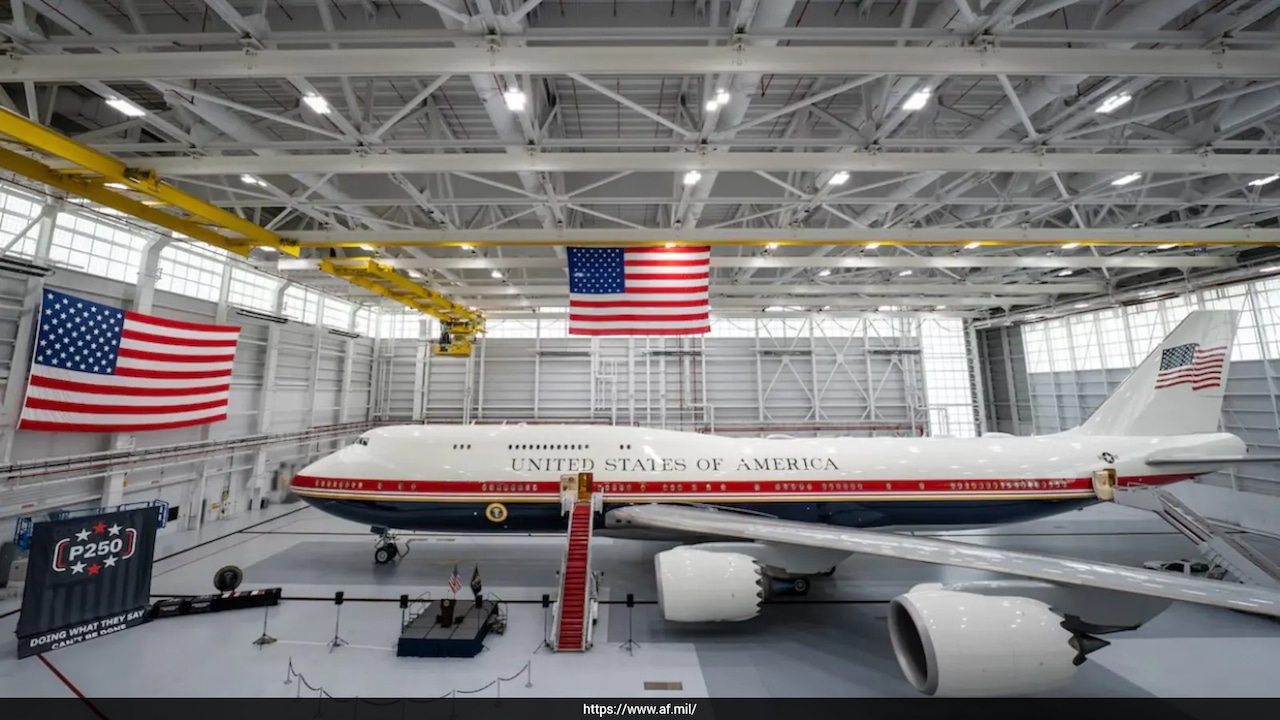
Federal agents showed up at the doorsteps of New York Times journalists Julian E. Barnes, Eric Lipton, Tyler Pager, and Eric Schmitt, handing over subpoenas to testify before a Manhattan grand jury. The crime? Reporting that President Trump’s Qatari-gifted Boeing 747—the new Air Force One—lacks the essential anti-missile defense systems and secure communication suites of the older fleet.
Instantly, the predictable chorus of outrage began. Legacy outlets issued frantic press releases about "unprecedented intimidation." Corporate media lawyers claimed these legal notices "shock the conscience".
Let's drop the theatrical hand-wringing. This is not the death of democracy, nor is it a constitutional crisis. It is a textbook lesson in how national security law operates when elite institutions stop playing by the rules. The media is screaming about the First Amendment because they want you to look away from the real story: an administration insider handed highly classified technological vulnerabilities of the leader of the free world to the press, and the federal government is doing its job to find out who did it.
The Myth of the Absolute Privilege
Every J-school student is taught to treat Branzburg v. Hayes (1972) like a historical anomaly, but it remains the undisputed law of the land. The Supreme Court made it perfectly clear: the First Amendment does not grant journalists an absolute testimonial privilege to protect confidential sources before a federal grand jury.
The competitor press loves to talk about Justice Department guidelines and the "last resort" rule for subpoenaing reporters. I have navigated corporate and federal legal architectures for twenty years. Here is the reality the talking heads will not tell you: those internal DOJ guidelines are administrative courtesies, not constitutional rights. When a leak reveals that the president’s primary aircraft can be brought down by a shoulder-fired missile because it lacks tactical countermeasures, the "last resort" clock accelerates to midnight immediately.
- Fact: The federal government has a compelling interest in securing its own classification systems.
- Fact: The Second Circuit (which governs Manhattan) recognizes only a qualified reporter's privilege. That qualification evaporates when the information sought is crucial to a national security leak investigation and cannot be obtained elsewhere.
- Fact: The reporters are explicitly not the targets of the grand jury; the criminal leakers are.
The press behaves as though they possess a legal shield that places them above the judiciary. They do not.
The Hypocrisy of "The Public's Right to Know"
Imagine a scenario where an engineer at Lockheed Martin leaks the exact radar-evading blind spots of the F-35 fighter jet to a major newspaper. The paper publishes it under the banner of "investigating taxpayer dollars." Would the public rally behind the paper when the FBI investigates? Absolutely not. They would recognize it as a catastrophic breach of operational security.
Yet, because the words "Air Force One" and "Trump" are in the headline, the standard rules of national security apparently no longer apply to mainstream commentators. The New York Times was warned by a senior FBI official to withhold specific operational details before publication. They chose to hit publish anyway.
Publishing the fact that the president flew on an older model jet out of Turkey due to security concerns is one thing. Detailing the exact absence of specific countermeasure suites on a live, active presidential transport vehicle crosses the line from public interest journalism into foreign intelligence enablement. You cannot print a blueprint of the president's vulnerabilities and then act surprised when the Justice Department asks who handed you the architectural drawings.
The Shield Law Delusion
Media advocates are already pounding the table for a federal shield law, pointing to the various state-level protections that insulate journalists. This is a fundamental misunderstanding of federal supremacy.
State shield laws have exactly zero jurisdiction over a federal grand jury investigating a violation of federal espionage and classification statutes. Even if a federal shield law existed, every single iteration ever proposed in Congress contains a massive, glaring exception for national security threats. A plane carrying the commander-in-chief flying into active European airspace without anti-missile capabilities fits every legal definition of a national security priority.
The systemic defense of these leaks reveals a deeper, structural arrogance within corporate media. They believe they are the sole arbiters of what remains classified and what gets exposed. When the state exercises its legitimate monopoly on legal coercion to identify a rogue insider, the press labels it fascism. In reality, it is simply the law catching up with reckless behavior.
The New York Times will fight these subpoenas in sealed court filings, just as the Washington Post and Wall Street Journal did earlier this year. They might even win a temporary reprieve if the DOJ blenches under the public relations pressure. But stop buying into the narrative that the government is breaking the law by enforcing it. The journalists have a job to do, and so does the grand jury. If you break the seal on state secrets, expect to get called to the witness stand.

