Another day, another viral clip of an internet personality turning basic physics into a spectator sport. The digital commentary machine immediately whirs into action, dissecting equipment failure, municipal infrastructure safety, and the inherent dangers of motorized mobility. Everyone plays armchair safety inspector. Everyone misses the entire point.
Let us dispense with the faux-outrage and the synchronized pearl-clutching. When a prominent digital creator careens straight into a barrier on a live broadcast, the public reacts as if a tragedy narrowly unfolded. The lazy consensus assumes clumsiness, bad luck, or defective machinery. Look closer at the mechanics of modern attention economies. The crash was not an accident; it was a content strategy executed with ruthless, subconscious precision.
The Attention Algorithm Rewards Structural Chaos
We live in an era where passive viewership is dead. If you are not stimulating the dopamine receptors of a chronically online audience every three seconds, you cease to exist in the feeds. Walking down a street talking to a camera does not retain retention graphs. Physical unpredictability does.
When creators take heavy, motorized hardware into public spaces while simultaneously managing a live chat, a performance loop activates. Imagine a scenario where a creator consciously weighs the marginal risk of a minor spill against the guaranteed algorithmic spike of a viral fail clip. The math heavily favors the fall. Millions of impressions, cross-platform reposts, and immediate cultural relevance are bought for the price of a bruised ego and a scraped knee.
Blaming the brakes or the manufacturer misses the psychological reality of the streaming lifestyle. The equipment did not malfunction; the incentive structure worked exactly as designed.
Weaponized Incompetence As Marketing
Notice the immediate reaction post-impact. Laughter, immediate deflection, playful threats of litigation toward instructors, and winking admissions that it might just be "for the clip". This is not trauma response; it is media choreography.
In the attention business, perfection is repellent. Flawless execution creates parasocial distance. Vulnerability—specifically packaged as slapstick stupidity—humanizes the creator while feeding the meme factories. When audiences clip, stitch, and stitch-react to a clumsy spill, they become unpaid marketing agents. The creator does not need to script a promotional campaign when the audience is too busy arguing over whether a gate appeared out of nowhere.
We have institutionalized a culture where looking foolish is a high-yield financial asset. Yet commentators still analyze these events through the lens of traditional public safety. Stop treating multi-platform digital masterclasses like clumsy pedestrian mishaps.
The Real Danger Is Not The Machine
The panic over personal electric transport misses the psychological vehicle driving these episodes. The danger is not torque, throttle response, or inadequate stopping distances. The danger is the total subjugation of physical safety to the relentless demands of the live indicator light.
When every second of life must be monetized and broadcasted, internal self-preservation instincts compete directly with content generation. The camera stays on. The performance continues. The spill is normalized because the metrics demand a constant stream of narrative beats.
Stop asking why the machinery failed. Start asking why we continue to reward the deliberate suspension of common sense with millions of views. Until we stop feeding the cycle, the gate will always rush out of nowhere.
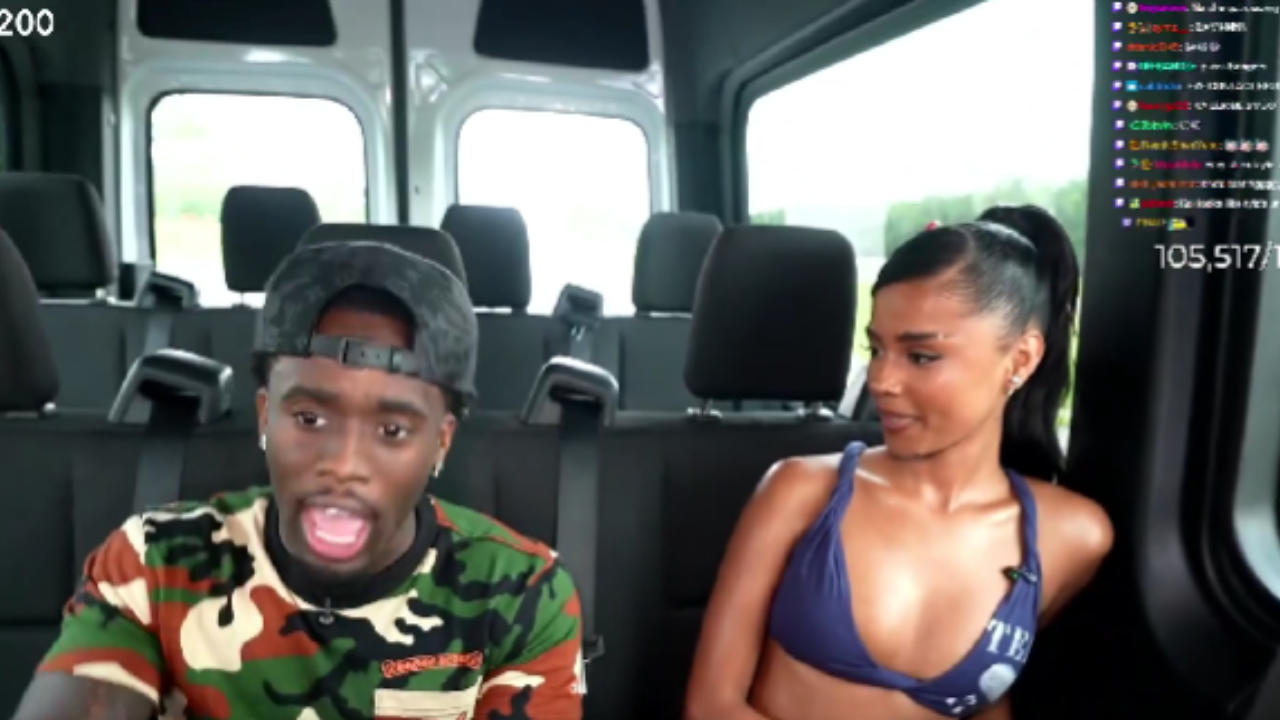
Livestreamer Yonna crashes into concrete on e-bike
This short clip captures the exact moment the viral e-bike crash unfolds live on stream.