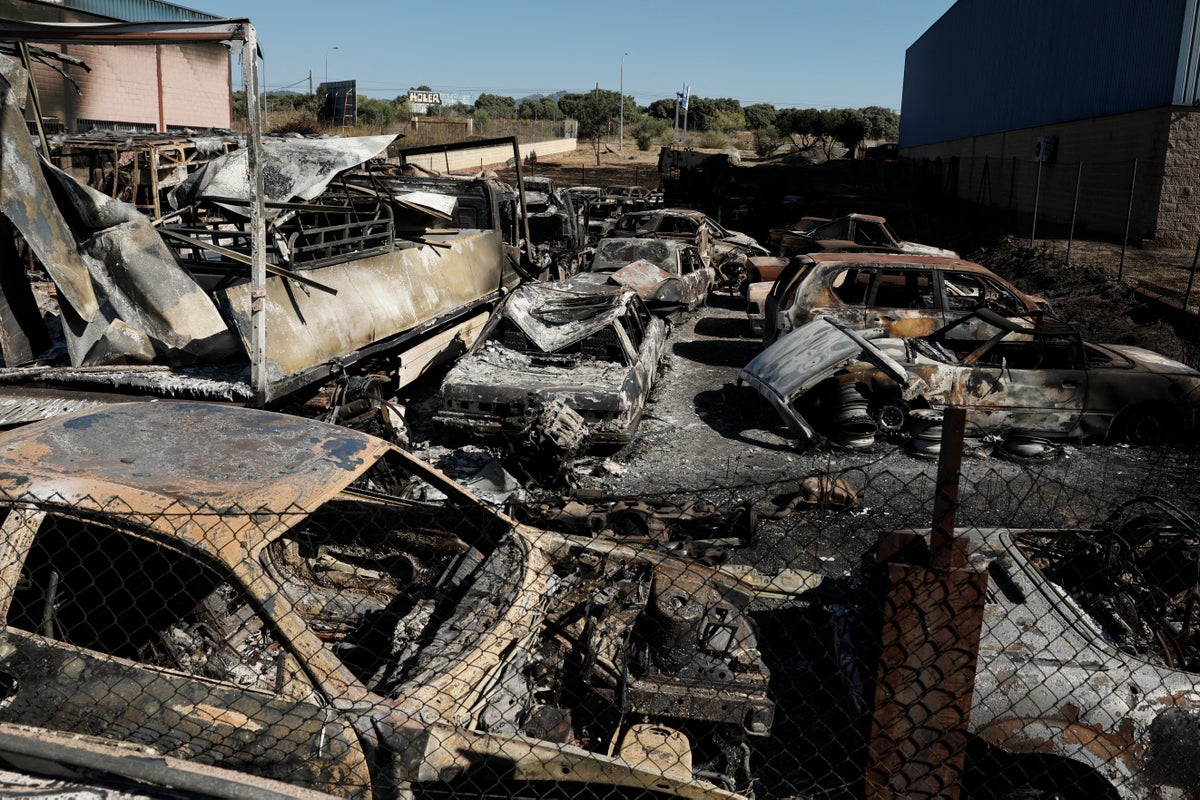
Every single summer, the headlines follow the exact same predictable, lazy script. Photos of charred hillsides in Spain and France dominate the screen. Dramatic anchors point at satellite maps, invoking terrifying pyrocumulus clouds and shouting about unprecedented heatwaves. The narrative is always identical. Climate change turns the Mediterranean into a tinderbox, and nature is simply punishing us for our carbon sins.
It is a convenient story. It also completely misses the point.
I have spent years analyzing land management policies across Southern Europe, and I am tired of the theater. Blaming rising temperatures for every acre of burnt timber is a brilliant way for politicians and environmental bureaucrats to avoid looking in the mirror. The brutal truth is that our forests are burning because we wrapped them in cotton wool for half a century, turning living ecosystems into overgrown, fuel-loaded powder kegs.
The Myth of Pristine Wilderness
Ask any urban activist what a healthy forest looks like, and they will describe a dense, untouched canopy of towering trees stretching as far as the eye can see.
That vision is an ecological nightmare.
For decades, European forestry policy adopted a zero tolerance approach to fire. Every spark was hunted down and extinguished immediately. Logging was restricted, traditional grazing was phased out, and rural populations abandoned the hills for concrete coastal cities.
Imagine a scenario where you never take out the trash, never sweep the floors, and simply pile old newspapers, dry branches, and discarded plastics into the corner of your living room. Day after day, year after year, the pile grows. Eventually, a single stray spark from an electrical outlet takes down the entire block.
That is what we did to the European countryside. We locked the doors, stopped the natural cleaning cycles, and let organic debris accumulate to historic levels. When a heatwave hits today, it does not create the fuel; it merely lights the fuse on a bomb we built ourselves.
Why Pyrocumulus Clouds Are a Symptom Not the Cause
When news outlets hyperventilate over rare fire clouds, they treat these weather anomalies as alien invaders. In reality, a pyrocumulus cloud is just physics doing what physics always does when confronted with an ungodly amount of concentrated thermal energy.
When millions of tons of dry brush and dead timber ignite simultaneously, the column of rising hot air punches through the atmosphere, creating its own violent weather systems, complete with lightning storms that spark new fires miles away. It looks apocalyptic. But fixating on the cloud is like blaming the smoke detector for the kitchen fire.
The variable driving this destruction is fuel load density, measured in tons of dry organic matter per hectare. In regions like Andalusia and Provence, fuel loads have tripled over the last forty years due to absolute neglect. When a fire encounters a landscape choked with dead undergrowth, ordinary summer temperatures provide enough energy to turn a surface fire into an uncontrollable crown fire that leaps from tree top to tree top.
The Cost of Preservation Through Neglect
Environmental purity has a body count. For years, well-meaning preservation groups successfully blocked mechanical thinning projects and controlled burns in protected zones across Southern Europe. They argued that nature knows best and that human intervention disrupts the delicate balance.
Nature does know best, but nature operates on cycles of disturbance, not static preservation. Historically, Mediterranean ecosystems evolved with frequent, low intensity fires set by lightning or ancient agricultural practices. These gentle burns cleared out the underbrush, fertilized the soil, and left mature trees standing.
By suppressing every small fire, we traded frequent, manageable blazes for catastrophic, landscape-erasing infernos.
I have seen rural communities in Spain lose generations of agricultural heritage in minutes because local authorities refused to permit buffer zones or allow local farmers to clear grazing paths. The bureaucracy of conservation values a theoretical pristine tree higher than the physical safety of the ecosystem surrounding it.
The Uncomfortable Solution Nobody Wants to Fund
If we want to stop waking up to apocalyptic orange skies over the Costa del Sol or the French Riviera, we have to embrace policies that make urban activists deeply uncomfortable.
First, we need to bring back heavy prescribed burning. This means deliberately setting fires under controlled winter conditions to consume surface fuel before summer arrives. It is messy, it generates temporary smoke, and it terrifies suburban homeowners who do not understand forestry. But it is the only proven method to lower energy release rates when a real heatwave strikes.
Second, we must reintroduce commercial forestry and intensive grazing. Goats, sheep, and cattle are the original organic lawnmowers. Letting livestock forage in state-managed woodlands keeps the undergrowth down naturally. Furthermore, allowing selective logging creates local economies with a vested interest in keeping forests clean and manageable.
Third, we have to stop treating fire as a moral failure and start treating it as an ecological inevitability.
The next time a massive blaze makes international news and politicians start weeping over satellite imagery, look past the smoke. Understand that the fire did not destroy the forest. The lack of management did. Until we find the political courage to clear the floor, nature will continue to do the sweeping for us.


