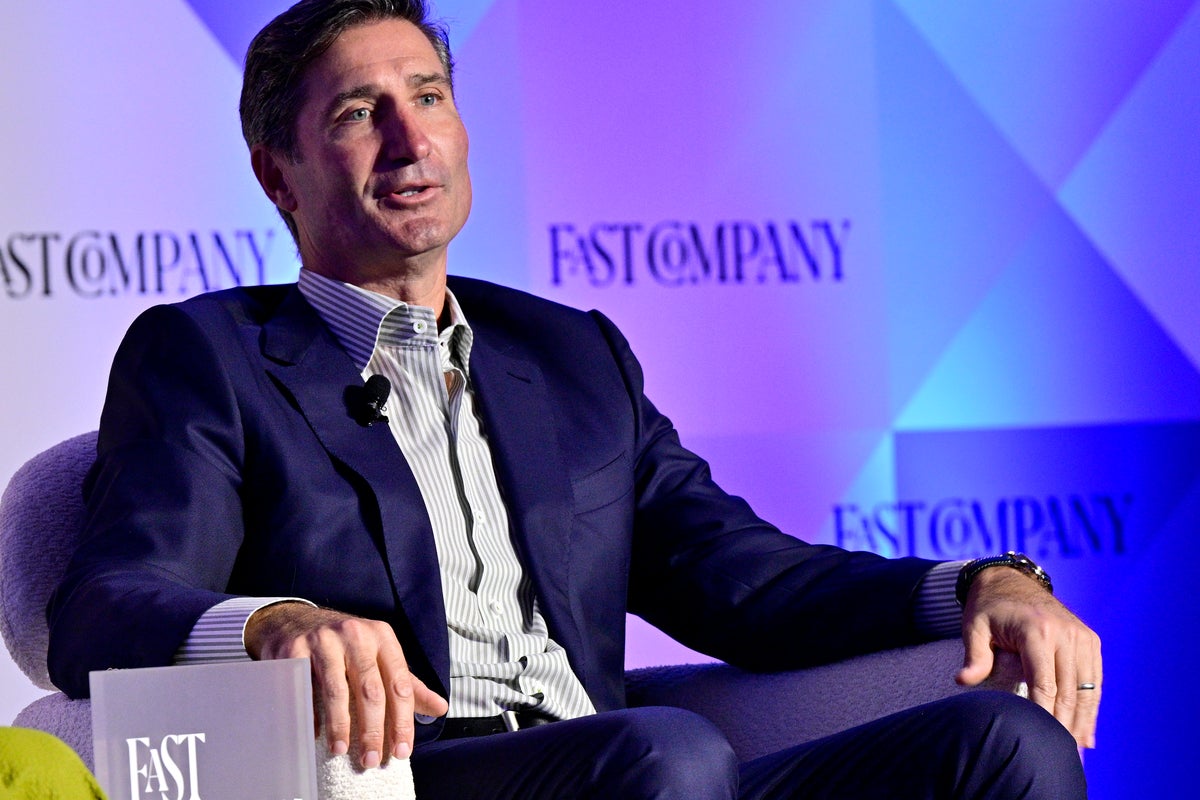
Starbucks is currently trapped between its history as a "third place" and its reality as a high-volume automated factory. When CEO Brian Niccol recently defended premium pricing by framing a coffee purchase as an "experience," the internet response was swift and scathing. This backlash is not merely a reaction to inflation or the high cost of a latte. It is a fundamental rejection of a brand promise that no longer aligns with the customer’s daily reality. The company is charging luxury prices for a service model that has become increasingly transactional, frantic, and devoid of the very atmosphere it claims to sell.
The Disconnect Between Price and Value
The math of a nine-dollar coffee is difficult to justify when the customer is standing in a crowded lobby surrounded by delivery drivers and mobile-order bags. For years, the company justified its premium by offering a comfortable environment—free Wi-Fi, soft lighting, and upholstered chairs. This was the "third place" philosophy. Today, many locations have removed seating, turned off power outlets, and shifted focus entirely to the drive-thru and the mobile app.
When a CEO calls this an experience, he is referencing a legacy that has been dismantled by the company’s own pursuit of efficiency. The consumer feels the friction. They see the gap between the marketing imagery of a quiet morning brew and the shouting of names over the roar of a milk steamer. Pricing is a signal of quality, but it is also a contract. If the price goes up while the physical environment and service speed degrade, the contract is broken.
The Ghost of Efficiency Past
The current crisis did not happen overnight. It is the result of a decade-long pivot toward digital dominance. Mobile Order & Pay was designed to reduce wait times, but it created a new kind of chaos. Baristas are now tasked with managing three or four different "channels" of orders simultaneously: the walk-in customer, the drive-thru line, the mobile app users, and third-party delivery services like Uber Eats.
This creates a bottleneck that no amount of branding can fix. The "experience" for a walk-in customer is now one of invisibility. They stand at the counter while baristas prioritize a digital queue of people who aren't even in the building. This operational complexity has turned the job of a barista into a high-stress assembly line role. Labor turnover is high, and the craft of coffee—the "theater" that Howard Schultz once championed—has been replaced by the frantic tapping of touchscreens and the frantic pumping of flavored syrups.
The Problem with Menu Complexity
The menu has drifted far from its Italian-inspired roots. It is now a chemistry set of modifiers, cold foams, and seasonal sugars. While these high-margin customizations drive the average ticket price toward that nine-dollar mark, they also destroy the rhythm of the cafe. A single "TikTok drink" with five or six modifications can take three times as long to prepare as a standard latte.
This complexity is the enemy of the experience. It leads to longer wait times, more frequent mistakes, and a general sense of fatigue for both the staff and the patrons. By leaning into these complex, high-priced beverages, the company has successfully increased revenue per customer but at the cost of brand soul.
The Brian Niccol Strategy and the Chipotle Comparison
Brian Niccol was brought in because of his success at Chipotle, where he stabilized a brand reeling from food safety scandals and modernized its digital footprint. However, a burrito is not a latte. People go to Chipotle for a fast, reliable, and filling meal. The expectations for atmosphere are minimal.
At Starbucks, the expectations are higher because the brand spent decades telling us it was a luxury. If Niccol applies the Chipotle playbook—focusing primarily on throughput, digital speed, and marketing "wins"—he may further alienate the core customers who still want a place to sit and think. The "Back to Starbucks" plan aims to simplify the menu and return to ceramic mugs, but these are aesthetic fixes for structural problems.
You cannot have a "coffeehouse experience" when 70% of your business comes through a window or an app. The physical stores are being redesigned as pickup hubs. This is a logical business move for a fast-food company, but it is a dangerous move for a lifestyle brand. If the company completes its transformation into a high-end Dunkin’, it loses the ability to charge the "Starbucks tax."
The Labor Factor and the Union Shadow
The tension in the cafes is palpable. Much of the "experience" depends on the person behind the counter. If the barista is overworked, understaffed, and pressured by timers, the interaction becomes cold. The unionization movement that has swept through hundreds of stores is a direct reflection of this pressure.
Workers are not just asking for better pay; they are asking for the tools and staffing levels required to actually do the job the company describes in its mission statement. When the leadership talks about the "magic" of the brand while cutting labor hours to satisfy quarterly earnings, the hypocrisy trickles down to the floor. A nine-dollar coffee served by a stressed, exhausted worker is not an experience; it is a guilt trip.
The Rise of the Competitor
While the giant tries to find its footing, independent coffee shops and smaller chains like Dutch Bros or Blue Bottle are eating into its market share from both ends. Dutch Bros handles the "fast and caffeinated" crowd with better speed and a more enthusiastic culture. Independent shops offer the genuine "third place" environment that the green mermaid has abandoned.
The "experience" is now found elsewhere. The modern consumer is more educated about coffee than they were twenty years ago. They know what good espresso tastes like. They know that a burnt, over-roasted bean hidden under layers of pumpkin foam isn't worth a premium price. The middle ground—where the brand has lived for so long—is disappearing. It must choose to be a high-end specialty roaster or a high-speed caffeine utility. Trying to be both is what led to the current identity crisis.
Operational Reality Over Marketing Fluff
To fix the brand, the leadership must stop talking about the experience and start building it. This requires a radical rethink of how stores are designed and staffed.
- Bifurcation of Stores: Some locations should be purely digital pickup points with no seating, optimized for speed. Others should be "Experience Centers" where mobile ordering is banned or restricted, allowing the barista to focus on the person standing in front of them.
- Menu Rationalization: Reducing the number of seasonal LTOs (Limited Time Offerings) and complex modifiers would decrease barista burnout and improve consistency.
- Labor as an Investment: Staffing levels must be decoupled from immediate transaction volume. A "third place" requires a host, not just a line worker.
The backlash to the nine-dollar coffee is a warning. It is a sign that the brand's perceived value has dipped below its actual cost. In a world where every dollar is being scrutinized by a weary middle class, calling a transaction an "experience" feels like gaslighting. You don't get to tell the customer what their experience is; they tell you. Right now, the customer is saying that the price doesn't match the reality.
If the goal is to return to the brand's glory days, the company must accept that the "third place" cannot exist in a drive-thru. They must decide if they are selling a moment of connection or a cup of liquid energy. Attempting to charge for the former while delivering the latter is a strategy that has reached its breaking point. Stop the marketing jargon and start fixing the floor.