Sunbathing tourists watched in absolute disbelief last week when a speedboat packed with 62 people powered straight onto the sand at Cala del Barco in Murcia. Before the hull even scraped the shoreline, passengers were leaping into the surf, wading past beach towels, and scattering toward the nearby town of Atamaria.
The vessel didn't linger. It executed a sharp turn and sped back out to sea, leaving startled vacationers clutching their phones to dial emergency services.
Cell phone videos of broad-daylight arrivals hit social platforms within minutes, generating instant political shockwaves. Local officials in southern Spain are now facing intense public pressure to explain how a large boat managed to navigate coastal waters and beach itself in a busy tourist zone without drawing immediate interception from border authorities.
Inside The Murcia Beach Landing
The incident unfolded around 1 p.m. on a Wednesday near the renowned La Manga Club resort on Spain's Costa Cálida. For the holidaymakers lounging meters away, the scene shattered any illusion of secure external borders.
- The boat carried 62 individuals total.
- Law enforcement later tracked down 45 adult men, two women, and 15 boys.
- The Red Cross provided immediate medical evaluation, confirming everyone was in good health before handing them over to the National Police.
While local authorities moved quickly to process the arrivals under standard immigration procedures, the viral footage ignited a broader debate about Mediterranean surveillance gaps. Critics are asking why maritime radar and patrol units failed to flag the speedboat before it touched dry land.
The Political Fallout Across Spain
Regional leadership in Murcia wants concrete answers. Citizens and opposition groups are pointing out the glaring vulnerability of open coastlines during peak tourism season. When a boatload of people can land unimpeded next to luxury hotels and crowded family beaches, public confidence takes a direct hit.
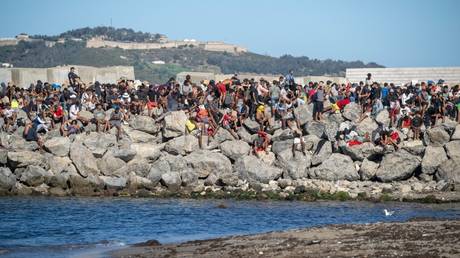
This latest episode doesn't exist in a vacuum. It follows a wave of heightened tensions surrounding border security across Spanish territory, including recent high-pressure crossings in North African enclaves like Ceuta. Public frustration is mounting, and politicians are struggling to reassure voters that coastlines are properly monitored.
What Happens Next For Those Arrived
Under Spanish law, individuals intercepted after irregular entry enter a formal repatriation pipeline. Anyone who expresses a desire to seek international protection retains the legal right to file an asylum claim. Each case requires an individual administrative evaluation before any removal actions can proceed.
That process takes time. Meanwhile, the videos continue to circulate, keeping pressure fixed squarely on the Ministry of the Interior to tighten maritime patrols before another small vessel catches local authorities flat-footed.