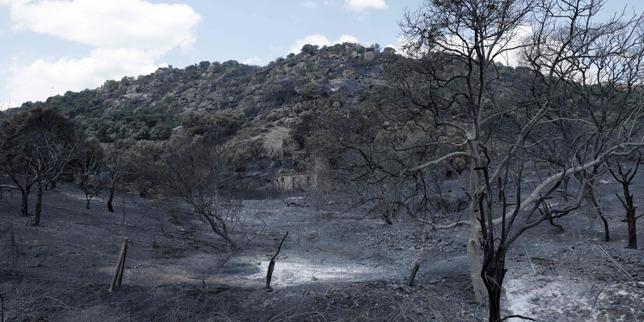
When massive wildfires sweep across a country, the usual playbook involves politicians pointing fingers. Blame gets thrown around faster than the sparks fly. Yet, during severe ecological crises in Spain, a different script sometimes plays out. Political rivals occasionally manage to drop their weapons, choosing solidarity over point-scoring.
It sounds rare because it is. We live in an era where polarization dominates every single headline. Every crisis turns into a partisan football. But when monster fires threaten communities, Spanish political actors have demonstrated moments of institutional alignment that defy the global trend of perpetual outrage.
Let's look at what actually happens on the ground when extreme weather hits and how coordination between central and regional governments either saves the day or reveals deep structural flaws.
The Reality of Monster Wildfires
Wildfires aren't just regular forest fires anymore. Climate shifts have created a new category of blaze. Fire experts call them extreme fire events or monster fires. These phenomena generate their own weather patterns, create fire tornadoes, and outpace any ground crew trying to contain them.
When these infernos threaten populated zones in regions like Andalusia, Galicia, or Catalonia, response times matter. Lives hang in the balance.
If regional leaders and national ministries waste time arguing over jurisdiction or funding, forests burn and homes turn to ash. That is why moments of political truce aren't just feel-good stories for the evening news. They are literal matters of survival.
When conservative and progressive factions temporarily suspend their rivalry during emergency deployments, local emergency services get what they need immediately. No bureaucratic red tape blocking aerial support. No petty delays on military aid deployment via the Military Emergency Unit, known locally as the UME.
Why Political Concord Matters When Smoke Clears
You might wonder why politicians would ever cooperate if division wins elections.
Crisis management carries massive political risk. Drop the ball, and you're finished. Handle it well, and you might secure a temporary pass from public fury. But citizens under evacuation orders don't care about party cards. They care about water drops, clear roads, and shelter.
When political leaders appear side-by-side touring burned perimeters, they send a psychological signal to a panicked populace. They communicate stability.
Spain's decentralized state structure—divided into autonomous communities—makes this cooperation tricky. The central government in Madrid often holds heavy resources like military assets, but local regional governments manage land and forestry policies. This setup builds friction by design.
When a monster fire strikes, these administrative lines blur out of necessity. Civil protection forces integrate instantly. Regional civil protection agencies coordinate with national firefighters. It proves that institutional machinery can work when ego takes a back seat.
The Danger of Superficial Unity
We shouldn't romanticize political concord too much, though.
Temporary truces during natural disasters often mask deeper, unresolved systemic failures. Agreeing to put out a fire today doesn't fix the underlying land management problems tomorrow.
Spain faces chronic rural depopulation. Fewer people living in rural areas means less traditional land management, grazing, and brush clearing. Forests become overgrown powder kegs.
If politicians hug for the cameras during a crisis but refuse to fund long-term prevention budgets during the off-season, the unity is hollow. Real leadership means investing heavily in fire prevention when the weather is cool and nobody is paying attention.
Critics often point out that political harmony vanishes the moment the smoke clears and accountability sessions begin in regional parliaments. That is where the real test lies. Do lessons get learned, or do authorities simply wait for the next catastrophe to repeat the cycle?
What Other Nations Can Learn From Spain
The tension between regional autonomy and national solidarity exists everywhere. From the wildfire crises in California and Australia to floods across Europe, decentralized governance struggles with rapid crisis response.
Spain's periodic demonstrations of political concordance offer a blueprint.
- Separate emergency response from political posturing from day one.
- Deploy specialized national units seamlessly under local tactical command.
- Keep public communication unified to avoid panic and misinformation spreading online.
You don't have to agree on tax policy or constitutional reform to pull people out of burning homes. Keeping that distinction clear is the hardest part of modern governance.
Next time you see a crisis unfold on your screen, look past the breaking news banners. Watch how the leadership handles the transition from blame to action. That tells you everything you need to know about the health of a democracy.
Take practical note of how emergency preparedness works in your own area. Know your evacuation routes, keep local emergency contacts handy, and don't wait for political consensus to keep your family safe when disaster strikes your doorstep.