When an 87-year-old woman named Maricarmen Abascal was physically forced out of the Madrid apartment she had called home for over seven decades, the state didn't just evict a pensioner. It ignited a powder keg. Her removal wasn't viewed as a bureaucratic outlier. Millions of citizens recognized it as a symptom of a broken system where corporate landlords, short-term rentals, and skyrocketing costs price ordinary people out of basic survival.
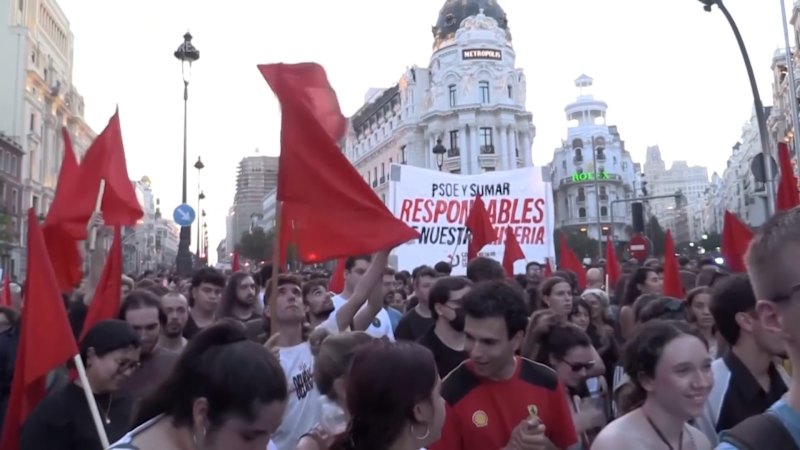
The ensuing outrage didn't fade quietly into the news cycle. It spilled into the streets, filling public squares with tent encampments, pushing political leaders toward snap elections, and culminating in massive general strikes that brought major Spanish cities to a standstill. If you want to understand why housing has become the defining political battleground of modern Europe, you have to look at what's happening on the ground in Spain right now.
The Spark That Lit the Match
Maricarmen's story cut deep because it felt intensely personal. Living through decades of changes in Madrid, her tenure ended abruptly due to pressures from the modern real estate market. When images of her forced eviction circulated globally, public empathy turned rapidly into fury.
Her subsequent hospitalization and death galvanized an already exhausted populace. Slogans reading "Fight like Maricarmen" appeared on placards from Madrid to Barcelona. Protesters set up camp in central squares like Puerta del Sol, demanding immediate legislative intervention to protect vulnerable tenants from predatory corporate buying and astronomical rent hikes.
The timing was no accident. Spain's housing deficit has ballooned dramatically, with estimates from the Bank of Spain pointing to a shortage of hundreds of thousands of homes. Young professionals working full-time find themselves spending half their monthly paychecks on cramped, studio-sized spaces or remaining trapped in their childhood bedrooms well into their thirties.
Political Fallout and Institutional Paralysis
The public backlash triggered a scramble in political halls. Prime Minister Pedro Sánchez attempted to push through emergency housing decrees aimed at capping speculative purchases, restricting short-term tourist rentals, and banning evictions for vulnerable populations.
Yet, those legislative efforts faced fierce opposition. Conservative parties and regional opponents combined forces to defeat the proposed housing reforms in parliament, arguing that heavy-handed market controls would stifle development and property rights. That parliamentary defeat was celebrated by some political factions, but it poured gasoline on public anger. Recognizing the untenable pressure, Sánchez took the gamble of calling a snap general election, leaving the country's housing framework hanging in the balance.
The gridlock demonstrates a bitter reality. Lawmakers talk endlessly about market adjustments, but tenants face immediate displacement. Renters aren't interested in theoretical debates when their next lease renewal comes with a fifty percent markup.
When Tenants and Labor Unions Unite
What makes the current Spanish movement different from past demonstrations is the direct alliance between tenant unions and labor syndicates. Housing has transformed from a localized real estate issue into a labor rights crisis. If a worker's entire monthly salary vanishes into rent, traditional wages lose their meaning.
This coordination materialized in sweeping general strikes. Pickets blocked major thoroughfares in Barcelona, schools operated at skeleton crews, and transport networks faced severe disruptions. Organizers estimated millions participation nationwide, proving that housing frustration crosses demographic lines. It isn't just impoverished students marching; it's IT professionals, teachers, and retirees watching their grandchildren get priced out of the country entirely.
The Broader European Echo
Spain isn't operating in a vacuum. Cities across the continent grapple with identical pressures where tourism gentrification and investment funds squeeze locals out of urban centers. Yet Spain's willingness to mobilize through prolonged encampments and coordinated strikes sets a high-stakes precedent.
The core question facing policymakers isn't just how to win an upcoming election cycle. It's whether housing will be treated as an essential human utility or treated purely as an asset class for international wealth. Until concrete protections take root that guarantee long-term stability for renters, the tent cities and street protests will remain a permanent fixture of urban life.