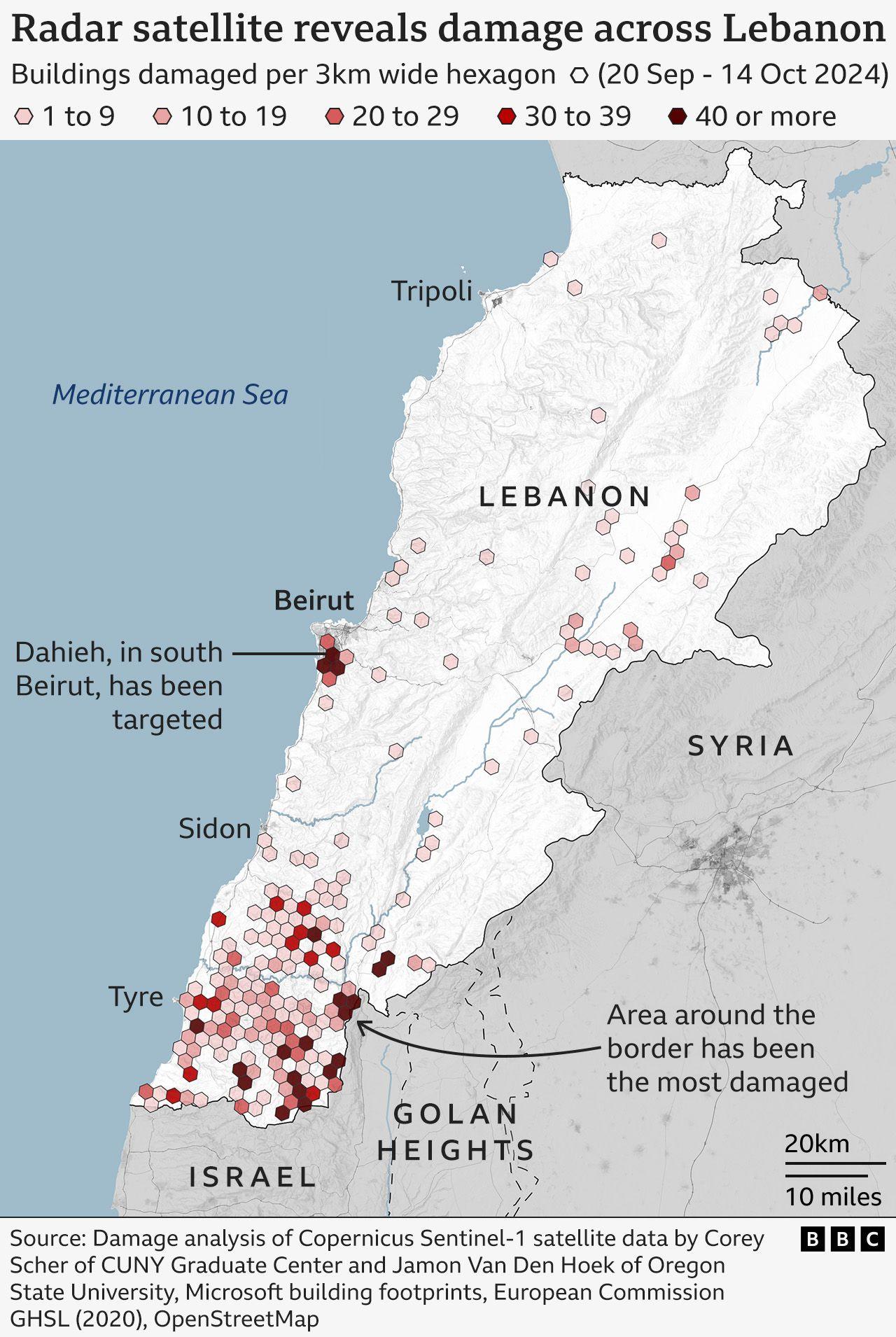
The air in Southern Lebanon smells of dust and cordite. It's a scent that hasn't left the hallways of the region's few remaining clinics for months. But now, even the thin thread of hope held by the local population has been frayed. Recent Israeli strikes have hit the last functioning hospital in the area, and the consequences aren't just about broken glass or scorched walls. They’re about the total collapse of a medical system that was already gasping for air.
When we talk about "collateral damage," we often miss the human cost. This isn't just a building. It's the only place within a two-hour drive where a pregnant woman can get a C-section or a blast victim can get shrapnel removed. If this hospital goes dark, the region doesn't just lose a facility. It loses its pulse.
Why Southern Lebanon’s Medical Infrastructure is Failing
The strikes didn't happen in a vacuum. The medical landscape in Southern Lebanon has been deteriorating since the uptick in cross-border hostilities began. Most private clinics shuttered months ago when the staff fled. The public hospitals, chronically underfunded and understaffed, tried to hold the line. But you can't run an ICU on prayers and empty diesel tanks.
International humanitarian law is supposed to protect these sites. The Geneva Convention is pretty clear about the status of hospitals in conflict zones. Yet, here we are. The Israeli military often claims that these facilities are used for tactical purposes by Hezbollah, but for the doctors on the ground, that's a moot point. They’re too busy trying to stop arterial bleeds with dwindling supplies of gauze to care about the geopolitics of who is standing outside the gate.
The damage to the facility’s structural integrity means certain wings are now unusable. We're talking about shattered operating theaters and emergency rooms that are currently exposed to the elements. You can't perform sterile surgery in a room covered in drywall dust and glass shards. It's impossible.
The Reality of Healthcare Under Fire
I’ve looked at the reports from groups like Médecins Sans Frontières (MSF) and the World Health Organization. They all say the same thing. The pressure on the remaining staff is soul-crushing. These doctors and nurses aren't just medical professionals anymore. They’re survivalists. They’re deciding who gets the last of the oxygen and who has to wait. That’s a choice no human should have to make.
Most people don't realize that a hospital strike ripples outward. It’s not just the immediate casualties. It’s the diabetic who can’t get insulin. It’s the child with a high fever whose parents are too terrified to drive through a shelled road to reach a hospital they heard might be closed anyway. Fear is just as effective as a bomb when it comes to destroying a healthcare system.
- Supply Chains are Broken: Roads leading to the south are often targeted or deemed too dangerous for delivery trucks.
- Energy Crises: Without a steady supply of fuel for generators, incubators for newborns become useless boxes of plastic.
- Staff Exhaustion: Many medics haven't been home in weeks. They're sleeping on floors between shifts.
The sheer volume of trauma cases has pushed elective or chronic care to the bottom of the list. If you have a heart condition in Southern Lebanon right now, you’re basically on your own. That’s the reality. It’s brutal.
Misconceptions About Hospital Neutrality
There's a common argument that if a hospital is damaged, it must have been a mistake or there must have been "activity" there. That’s a dangerous oversimplification. In modern urban warfare, the lines are blurred, but the results stay the same. When a strike hits the vicinity of a hospital, the shockwaves do the work even if the missile doesn't hit the roof directly. Oxygen lines rupture. Delicate calibration on imaging machines is ruined.
People think "damaged" means a small hole in a wall. In reality, "damaged" means the sterilization unit is broken, and now every single patient is at risk of sepsis. It means the pharmacy was flooded by a burst pipe, and $50,000 worth of life-saving meds are now trash.
The Global Response and Why It Feels Empty
Every time a hospital is hit, we see the same cycle of "deep concern" from the UN and various world leaders. Statements are issued. Press releases are sent. But the shells keep falling. For the people in Nabatieh or Tyre, these statements don't fix the hole in the roof.
The Lebanese Ministry of Public Health is overwhelmed. They’re dealing with an economic crisis that wiped out the currency’s value, and now they’re trying to manage a war-time medical emergency. They don't have the cash to rebuild. They barely have the cash to keep the lights on. Reliance on international aid is at an all-time high, but aid is fickle. It gets stuck at borders. It gets tied up in bureaucracy.
What Happens When the Last Hospital Closes
If this final facility shuts down, we're looking at a total medical vacuum. People will die from treatable injuries. We’ll see a spike in infant mortality. We’ll see the return of diseases that should have been managed with simple antibiotics.
The staff at this hospital are staying because they feel they have no choice. If they leave, who stays? But they’re also human. They have families. They have lives they want to save. Every strike makes the "stay or go" calculation more lopsided.
This isn't a problem that can be solved with a few more crates of bandages. It requires a fundamental shift in how this conflict is managed. It requires actual enforcement of the laws that are supposed to keep hospitals safe. Until then, the people of Southern Lebanon are living on borrowed time.
If you want to help, stop looking at these as just headlines. Support organizations that are actually getting supplies into the south. Red Cross, MSF, and local Lebanese NGOs like Amel Association are doing the heavy lifting. They need money for fuel and medicine, not just thoughts and prayers. The situation is desperate. Don't look away. Move. Support the local medics. Pressure your representatives to demand an immediate cessation of strikes on civilian infrastructure. Every minute of silence is another minute the generators might fail.