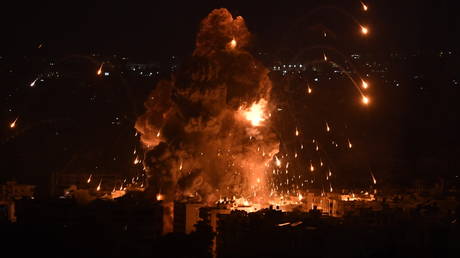
Entire hillsides in southern Lebanon are burning to ash. Local firefighters and residents are pointing straight at the Israeli military, accusing them of using deliberate munitions, white phosphorus, and drone-dropped incendiary materials to scorch orchards and woodlands.
If you look past the standard diplomatic updates, a quiet environmental erasure is happening on the ground. Around 30 to 40 percent of forested and agricultural land near the frontline has been badly hit by fires since a ceasefire largely ended heavy combat. First responders say these aren't accidental stray sparks. They are tactical burns designed to reshape the terrain itself.
The Mechanics of Environmental Destruction
Civil defense teams describe an exhausting routine. The moment vegetation dries out under the summer heat, small drones fly across the border to drop flammable material. Illumination flares are deployed during broad daylight just to catch dry brush on fire.
When local fire crews scramble trucks to save civilian homes or centuries-old olive groves, secondary strikes often land nearby. Hussein Fakih, who heads civil defense in the Nabatieh region, notes that these tactical drone drops force firefighters to pull back and watch entire canopies vanish.
The scale goes far beyond basic military necessity. In places like Yaroun, where bulldozers had already cleared out the majority of residential housing, remaining orchards filled with ancient olive trees inherited from past generations were torched.
Locals describe a strategy aimed at making the landscape completely uninhabitable. When you strip away the water sources, agricultural income, and centuries of generational roots, you ensure that returning home becomes nearly impossible.
Why This Tactics Shift Matters
Military analysts have long pointed out that wooded terrain and scrubland offer cover for guerrilla movements and tunnels. Past actions have even included bizarre field improvisations, such as historical-style catapults throwing flaming debris across border walls, alongside drone sprayers dispersing accelerants.
Yet turning ecological warfare into a daily policy creates long-term consequences that outlast any temporary truce. Environmental researchers call this pattern ecocide, noting that repeated chemical and fire damage breaks down the soil's ability to ever regenerate.
You're left with a scorched earth policy where recovery takes generations. When food sources and natural habitats are wiped out systematically, the human cost compounds rapidly. The land tells the real story of what is happening long after the smoke clears. Take time to look at the regional response and support local humanitarian efforts working to document these losses before they disappear entirely.
Israel Deliberately Starting Wildfires in South Lebanon
This video details the accounts of firefighters and residents in southern Lebanon facing continuous wildfire threats from military munitions.


