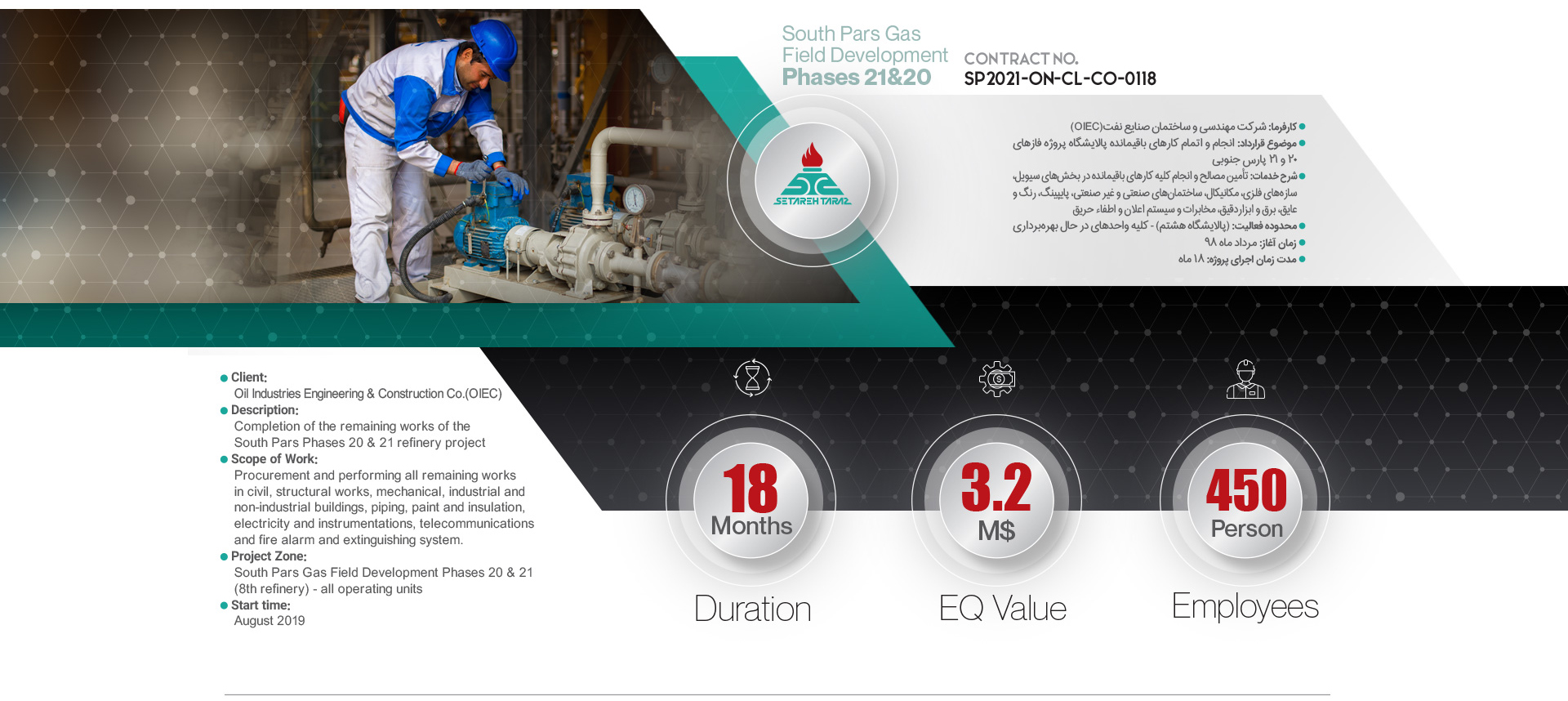
The smoke rising from the South Pars gas field this week marks more than just a tactical escalation in a three-week war; it signals the collapse of the unwritten rules that have governed Persian Gulf energy security for half a century. When Israeli jets struck the world’s largest natural gas reservoir on Wednesday, they didn’t just hit Iranian infrastructure. They punctured the primary artery of the global energy market, sending Brent crude screaming toward $117 a barrel and forcing President Donald Trump into a public display of damage control that has convinced almost no one in the region.
The core crisis is straightforward. Israel, acting with what it claims was U.S. coordination, targeted a facility that provides 75% of Iran’s domestic gas. Iran, fulfilling a long-standing "scorched earth" doctrine, retaliated by striking Qatar’s Ras Laffan terminal and Saudi refineries. Now, Trump is attempting to retroactively draw a red line he should have established weeks ago, declaring that while the U.S. "knew nothing" of the specific strike, it will "massively blow up" the rest of the field if Iran touches Qatar again.
This is the sound of a superpower trying to put the toothpaste back in the tube. By hitting South Pars—a field Iran shares with Qatar—Israel has effectively ended the era of "protected" energy assets. The "why" behind this strike is a desperate Israeli gamble to trigger an internal Iranian uprising by freezing the population out of electricity and heating. The "how" is a masterclass in geostrategic friction, as the White House and the Knesset now appear to be operating on two entirely different clocks.
The Architecture of a Shared Disaster
To understand why South Pars is the ultimate "red line," one must look at the seafloor. The field is a single, continuous geological structure. Iran calls its side South Pars; Qatar calls its side the North Field. They are physically inseparable.
When Israel struck the Iranian side, the shockwaves were felt instantly in Doha. Qatar, which has spent decades positioning itself as the indispensable neutral arbiter of the Gulf, now finds its crown jewel—the Ras Laffan LNG hub—in the crosshairs of Iranian missiles. The Iranian Revolutionary Guard Corps (IRGC) isn’t interested in surgical precision; their message is that if their gas stops flowing, everyone’s gas stops flowing.
The immediate fallout:
- Total Production Halt: Two major Iranian refineries are offline, cutting 100 million cubic meters of daily capacity.
- Global Supply Shock: Each month of disruption at the Qatari export hub removes roughly 1.5% of annual global LNG availability.
- Energy Inflation: European gas prices have doubled since the war began on February 28, 2026, threatening a continent already reeling from a brutal winter.
The Trump Netanyahu Friction Point
The most jarring aspect of the last 48 hours is the blatant disconnect between Washington and Jerusalem. While Trump took to Truth Social to claim the U.S. was blindsided, senior Israeli officials have been whispering to the press that the strike was fully coordinated. This isn't just a communication breakdown; it’s a fundamental disagreement over the "End Game."
Trump’s primary goal is a "pretty soon" conclusion to the war that allows him to claim a win without putting boots on the ground or permanently destroying the global economy. Israel’s leadership, however, sees a once-in-a-generation window to dismantle the Iranian regime entirely. For Israel, the "long-term implications" Trump fears—the years it would take to rebuild Iranian energy—are a feature, not a bug. They want a neutered Iran, even if it means a $150 oil price tag for the American consumer.
The President’s threat to "massively blow up" the rest of the field if Qatar is hit again is a classic "Madman Theory" maneuver, but it carries a hollow ring. If he destroys the rest of South Pars, he isn't just punishing Iran; he is finishing the job of dismantling the global energy supply chain. It is a suicide pact disguised as a deterrent.
The Civilian Toll and the Myth of Regime Change
The strategic logic used by Israeli planners is that by cutting off gas and electricity, they can force the Iranian public to do what decades of sanctions couldn't: overthrow the Islamic Republic. History suggests otherwise.
Previous strikes on fuel depots in Tehran and the Kharg Island oil hub have historically triggered a "rally 'round the flag" effect. While the Iranian economy is in a death spiral, the regime’s security apparatus remains "largely degraded but intact," according to Intelligence Director Tulsi Gabbard.
By targeting upstream energy—the actual production sites rather than just the storage tanks—Israel has ensured that the pain will be felt by every Iranian household. But a cold, dark winter rarely leads to a liberal democracy; it more often leads to a desperate, radicalized population and a regime with nothing left to lose.
The New Map of Risk
The conflict has now shifted from a "logistical bottleneck" in the Strait of Hormuz to a "structural supply shock." For years, markets assumed that even in a war, the physical infrastructure of the Gulf would be spared because it is too valuable to everyone. That assumption is dead.
The Strategic Paradox
- Energy as a Weapon: Infrastructure is now the primary target.
- Energy as a Limit: The fear of total economic collapse is the only thing preventing a full-scale regional conflagration.
As we see shipping through the Strait of Hormuz grind to a halt, the world is looking at a permanent shift in how energy is priced. The risk isn't just a temporary spike; it's the realization that the world's most vital energy hub is no longer a "safe" zone.
The move by the Pentagon to seek $200 billion in emergency war funding suggests the U.S. is preparing for a much longer haul than Trump’s "pretty soon" rhetoric implies. If the current trajectory holds, the South Pars strike won't be remembered as a bold move to end a war, but as the moment the West realized it could no longer control the chaos it helped ignite. The next few days will determine if this is a manageable crisis or the start of a global depression.
Would you like me to analyze the specific impact of these strikes on the Asian LNG markets of China and Japan?