The wind in Mississippi has a specific way of screaming before it takes everything. On a Friday night in late March, that scream turned into a physical weight. It wasn’t just air; it was a wall of debris moving at two hundred miles per hour. When the EF-4 tornado finally tore itself away from the town of Silver City, it left behind a silence so heavy it felt like it might never be broken.
The landscape was gone. In its place sat a jagged, gray graveyard of splintered pine, shredded insulation, and the intimate remains of lives lived in the open—photographs, mismatched shoes, a kitchen sink resting fifty yards from its foundation.
Recovery is usually a loud process. It is the roar of chainsaws and the heavy thrum of diesel engines clearing the paths. But for the people walking the ruins of their own homes, the real work happens in the gaps between the noise. You listen for the things that shouldn't be there. A cell phone pinging under a heap of drywall. The hiss of a broken pipe.
Or a sound so small it seems impossible it survived the apocalypse.
The Persistence of Small Things
Three days after the sky fell, the debris was no longer just a mess. It was a tomb. Survival windows for living things trapped under wreckage are notoriously narrow. Dehydration, crush syndrome, and the sheer terror of confinement usually claim victims long before the excavators arrive. By Monday, hope in Silver City had shifted from "rescue" to "recovery." People were looking for heirlooms, not heartbeats.
Then, a volunteer stopped moving.
Under a mountain of what used to be a family home, there was a vibration. It wasn't a human voice. It was a faint, ragged rasp. A meow.
Imagine the physics of a tornado. It can strip the bark off a tree and drive a piece of straw through a telephone pole. It exerts enough pressure to lift a locomotive. Yet, somehow, amidst the grinding of steel and the shattering of glass, a creature weighing less than ten pounds found a pocket of air.
This isn't just about a cat. It is about the stubborn, irrational refusal of life to blink out when the math says it should.
A Geometry of Luck
Rescue workers don't just start digging. If you move the wrong piece of timber, the whole precarious structure shifts, crushing whatever is breathing underneath. They call it the "game of sticks," but with blood on the line.
The volunteers worked with their hands. They peeled back layers of roofing tin that felt like razor blades. They tossed aside bricks and chunks of cinder block. As they got closer, the sound grew sharper. It wasn't a cry anymore; it was a demand.
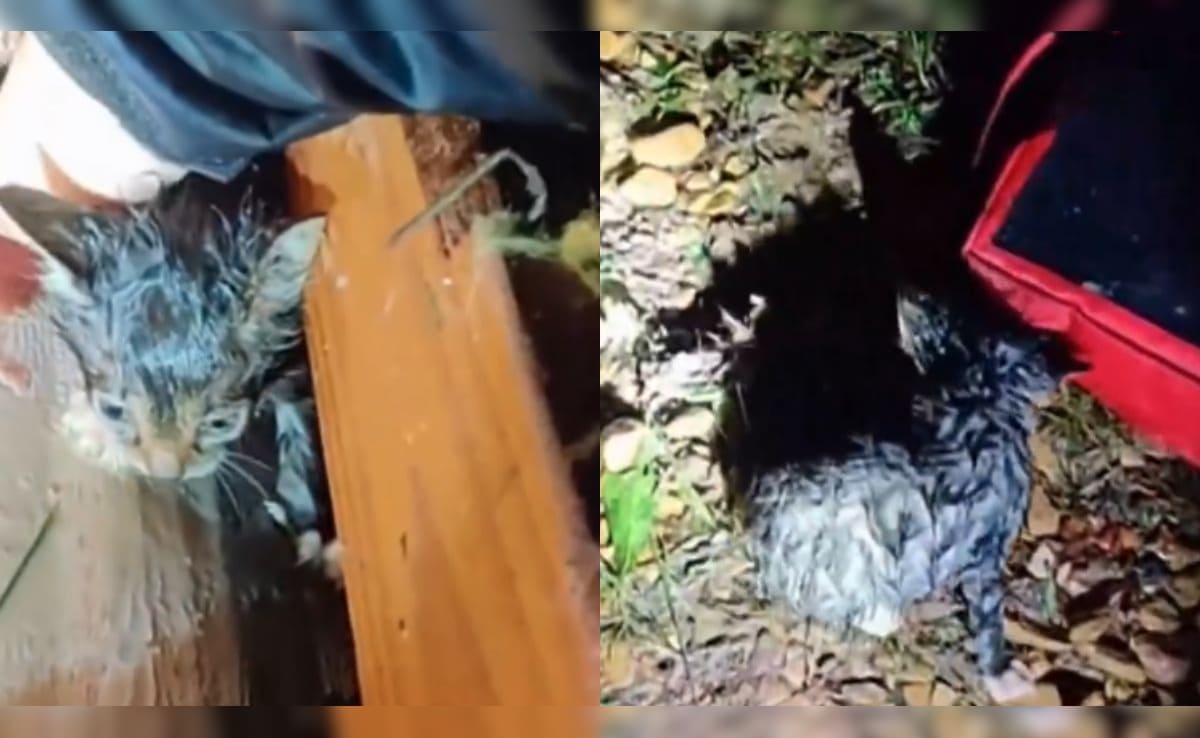
Hidden deep within a cavity formed by a collapsed floor joist and a fallen mattress was a tuxedo cat. He was covered in the gray dust of pulverized concrete. His eyes were wide, reflecting the first light he had seen in over seventy hours.
To look at that scene is to realize how much we get wrong about disaster. We focus on the big numbers—the wind speeds, the death tolls, the billions in damages. But the human element is found in the micro-details. It’s found in the person who refuses to leave the site because they heard a ghost of a sound. It’s found in the way a hardened first responder cradles a dusty, terrified animal like it’s the most precious thing on earth.
The Weight of the Invisible
When the cat was pulled free, a collective breath was released. He was thin, dehydrated, and trembling so hard his teeth clicked, but he was whole.
Why does a story like this matter when twenty-six people lost their lives across the state that same weekend?
Because grief is a vacuum. It strips away the sense of agency. When a town is leveled, the survivors feel small. They feel like the universe is a chaotic, uncaring machine. Rescuing a single life—even a small, feline one—is a strike back against that chaos. It is a way of saying that even when the wind tries to erase us, we still count. We are still looking for each other.
The cat, later identified as a local pet named Snowball, became a living bridge. He was a piece of the "before" that had managed to bridge the gap into the "after."
Consider the psychological toll on a community that has lost its landmarks. The water tower is gone. The church is a pile of bricks. Your neighbor’s porch is in the next county. In that environment, a familiar face, even one with whiskers and four paws, provides a tether to reality. It is a reminder that the world hasn't ended; it has just changed.
The Cost of Looking Away
We often treat these stories as "fluff" or a brief respite from the "hard news." That is a mistake. These moments are the hard news. They are the evidence of the invisible stakes involved in every disaster.
The rescue of a pet in a disaster zone is a logistical nightmare. It requires resources, time, and a willingness to risk injury for "just an animal." But ask the family who lost their home what that cat represents. It isn't just a pet. It is a daughter's comfort. It is a grandfather's companion. It is the only thing they have left that has a heartbeat.
The volunteers in Silver City didn't dig for three hours because they were bored. They dug because they recognized a responsibility. They understood that the measure of a society isn't how it handles the big, shiny triumphs, but how it treats the small, muffled cries coming from the dark.
The Dust Settles
The recovery of Mississippi will take years. The scars on the land will eventually be covered by kudzu and new construction, but the scars on the people stay.
Late that afternoon, after the cat had been given water and a clean bill of health from a local vet, the work in the rubble continued. The saws started up again. The trucks moved more loads of debris to the outskirts of town.
But the air felt different.
The silence wasn't quite so heavy anymore. The survivors moved with a bit more purpose. They looked at the ruins of their lives not just as a pile of trash, but as a place where something might still be hidden. They looked at the ground with a new kind of intensity.
Every survivor of a storm like that carries a specific kind of phantom noise in their ears for the rest of their lives. Usually, it’s the sound of the wind. But for a few people in a corner of Silver City, that sound has been replaced by a different frequency—a small, persistent scratch against the wreckage of the world.
There is a power in being heard. There is a greater power in being the one who listens.

