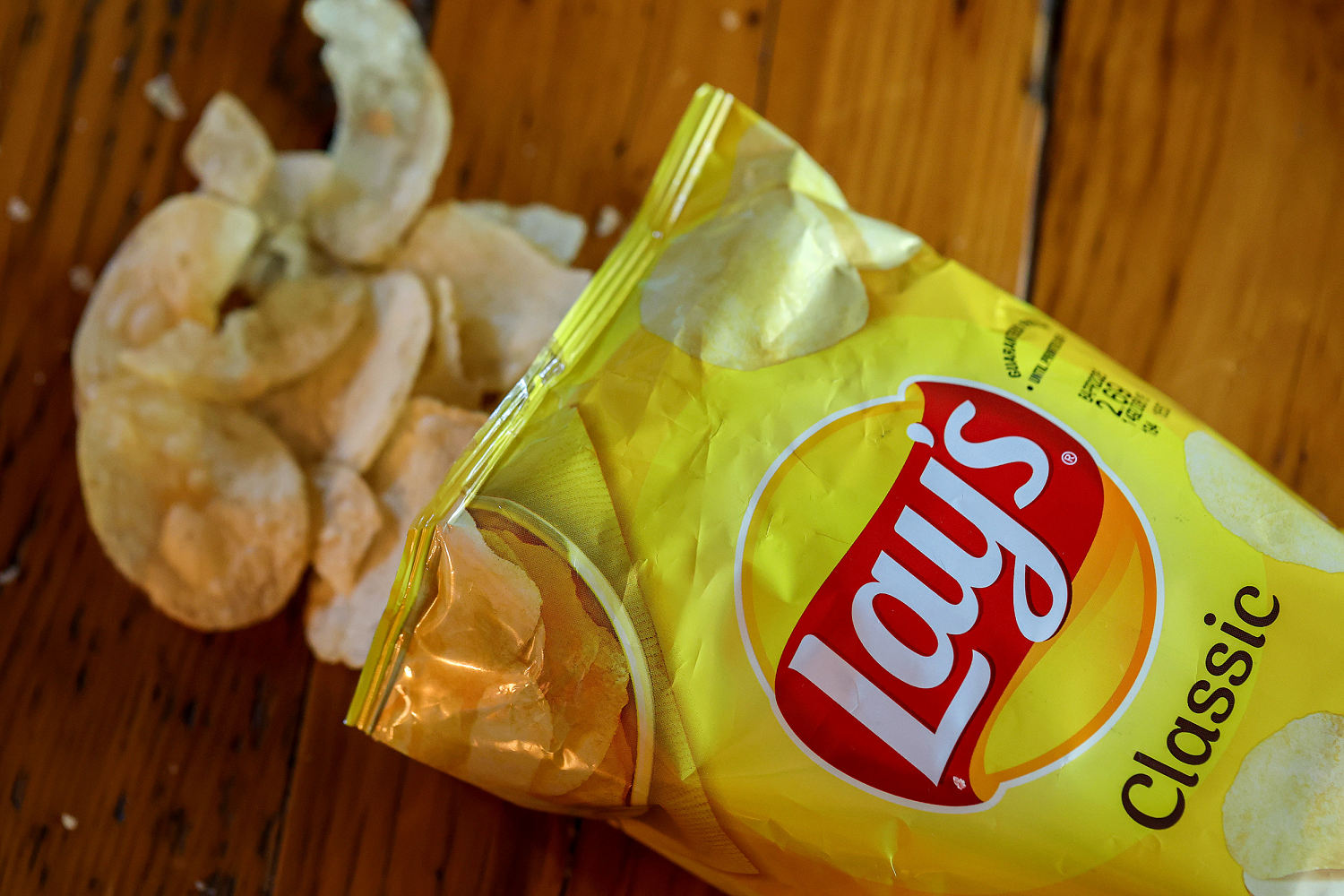
The financial press is shedding collective tears because snack giants like PepsiCo are bumping up the prices on single-serve bags of Lay’s and Doritos. The internet outrage machine is chugging along perfectly. Commentators call it predatory pricing. Consumer advocates call it shrinkflation.
They are all missing the point.
Raising prices on small bags of chips isn't a sign of corporate desperation or a sneaky tax on the poor. It is an inevitable, brutally logical correction of a broken supply chain that consumers have subsidized for decades. For years, major snack food brands treated convenience packaging as a loss leader or a high-volume play, absorbing the massive operational friction of moving tiny pockets of air and fried potatoes across thousands of miles.
Now, the bill is due. If you are angry about paying more for a convenience bag, you do not understand the mechanics of modern manufacturing.
The Mirage of the Per-Ounce Metric
Average consumers look at a 1.5-ounce bag of chips, calculate the unit price against a 15-ounce party size, and assume they are being robbed. They think they are buying potatoes.
They aren't. They are buying logistics.
In the consumer packaged goods (CPG) world, the cost of raw ingredients—the actual corn, potatoes, seasoning, and oil—is a remarkably small fraction of the total cost of goods sold. The real capital goes into the secondary packaging, the nitrogen flushing to keep the chips from crushing, the fuel to transport low-density boxes, and the premium shelf space slotting fees at gas stations and grocery checkouts.
When a factory shifts production lines from a bulk run to a single-serve run, the operational efficiency plummets.
- Changeover Downtime: Swapping a packaging line from bulk bags to small bags requires recalibrating automated scales, changing film rolls, and resetting boxing machinery. Every minute the line is down costs thousands of dollars.
- Volumetric Inefficiency: A delivery truck packed with large bags holds significantly more actual product weight than a truck packed with small bags, which are mostly filled with protective air. The fuel cost per ounce of chips spikes dramatically for convenience sizes.
- Direct-Store-Delivery (DSD) Friction: Companies like Frito-Lay employ an army of route drivers who manually stock individual grocery shelves. It takes nearly the same amount of human labor to stock a row of small bags yielding negligible revenue as it does to stock a row of high-margin family bags.
I have watched consumer goods executives bleed millions trying to maintain artificial price ceilings on convenience packs just to keep retail partners happy. The math eventually breaks. PepsiCo isn't gouging you; they are finally making you pay the true cost of your laziness.
The Flawed Premise of Consumer Outrage
The public narrative surrounding snack pricing assumes that snack foods are a utility. The common argument goes: "Families rely on these small packs for school lunches, and raising prices harms everyday budgets."
Let's dismantle this premise completely.
Potato chips are a non-essential, discretionary luxury item. No one requires a bag of Doritos to survive. When the price of a luxury or convenience service rises, the market functions by allowing consumers to opt out. If the margin on a small bag becomes untenable, the rational consumer switches to buying bulk bags and spending 30 seconds portioning them into reusable containers at home.
The reality? Most consumers won't do it. They will grumble, type an angry post online, and then tap their credit card at the convenience store register anyway.
This behavior proves that the value proposition of the small bag isn't the snack inside; it is the immediate gratification of the form factor. Snack manufacturers know this. They are charging a premium for the convenience of portability and portion control, which are distinct services separate from food production.
The Downside of the Premium Shift
To be fair, this aggressive pricing strategy is not without substantial risk for the major snack conglomerates. It is a high-wire act that could backfire if executed without precision.
By driving the price of convenience bags past a certain psychological threshold—say, two dollars for a handful of chips—brands risk hitting a demand wall. When the price of a snack item begins to rival the price of a small meal or a higher-protein alternative, consumer velocity drops.
Furthermore, this opens a massive door for nimble, private-label competitors. Aldi, Trader Joe's, and regional dollar store brands do not operate massive, high-overhead direct-store-delivery networks. They drop pallets at central warehouses and let store employees do the stocking. If major brands push their small-bag prices too high, they cede the entire value-conscious demographic to store brands that can underprice them by 40% while maintaining healthy margins.
But major manufacturers are betting that brand equity will insulate them. They know a teenager walking into a gas station doesn't want "Crispy Potato Slices." They want Lay's.
The Reality of Shelf-Space Warfare
Retailers are not passive observers in this pricing shift. They are driving it.
The front-of-store real estate—the checkout lanes, the endcaps, the standalone racks by the register—is some of the most expensive commercial property on earth. Retailers measure success by sales per square foot. A small bag of chips taking up space needs to generate a specific cash yield to justify its existence on that rack.
If a manufacturer keeps the wholesale price low to appease the consumer, the retailer’s margin shrinks. When that happens, the retailer simply replaces the chip rack with something that converts better, like energy drinks, premium candy, or vape products.
Manufacturers are forcing these price increases because they are fighting a desperate rearguard action to keep their products at the point of sale. If they do not raise prices, they lose the shelf space entirely. And in the snack world, if you are invisible at checkout, you are dead.
Stop Complaining and Adapt
The endless cycles of media hand-wringing over CPG pricing strategy are a distraction from basic economic reality. Prices are not set by the historical cost of a product plus a polite markup. Prices are determined by what the market will bear, balanced against the logistical floor required to get that product to your face.
If you genuinely believe that paying an extra fifty cents for a bag of chips is an existential corporate crime, the solution is embarrassingly simple: stop buying them. Buy the bulk bag. Buy a reusable container. Change your behavior.
But you won't. You will keep paying the convenience premium because your time and comfort are worth more to you than the price differential. Snack companies have accurately calculated the value of your inertia.
Stop asking corporations to subsidize your preference for tiny plastic wrappers. Pay the logistics tax or buy a bigger bag. Those are your options. Choose one and move on.


