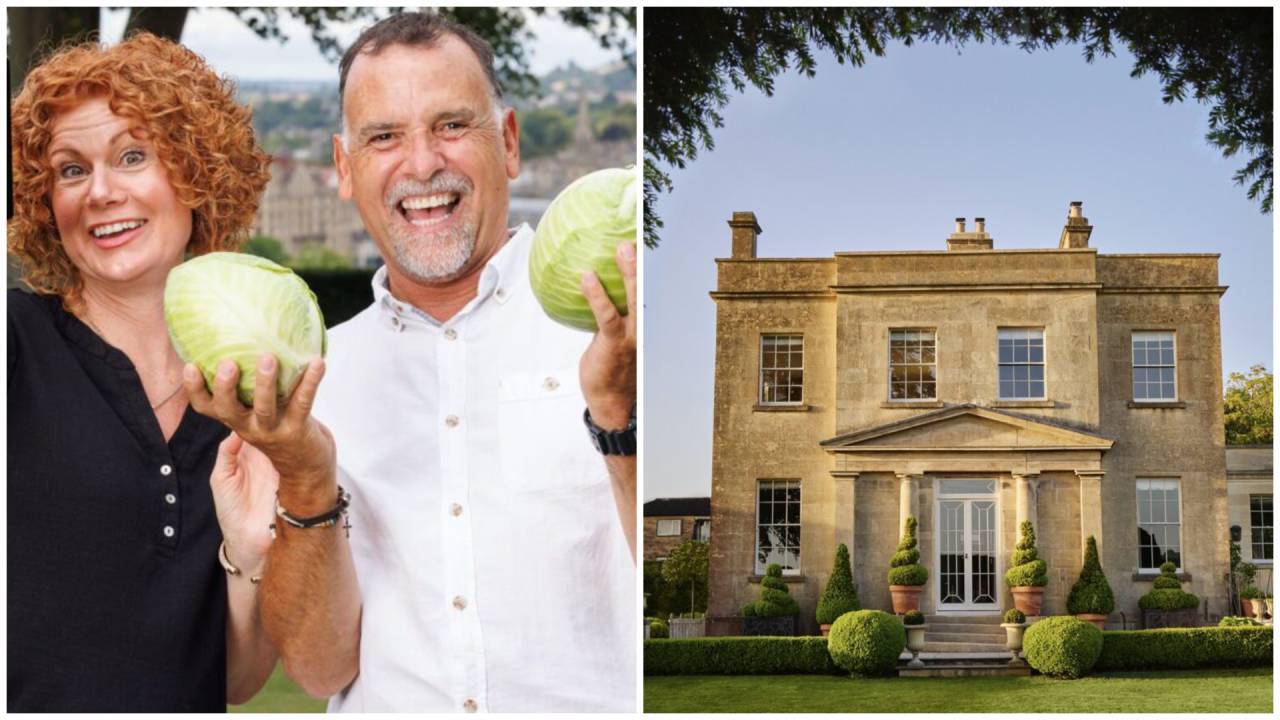
Forty-nine years ago, the grand prize was green, leafy, and destined for a Sunday roast.
It was 1977. The air smelled of damp wool and coal smoke, and the local fair in a quiet British corner offered up a vegetable trophy to the luckiest soul in the parish. A father walked away with that cabbage. He carried it home under his arm, a modest triumph of raffle tickets and stubborn chance, something to be boiled down with salt and butter before the week was out. It was a joke, really. A memory to chuckle over at family gatherings, the sort of harmless win that life hands you when the universe is feeling particularly whimsical.
Life goes on. Decades slide past. The cabbage rots, gets digested, and turns to dust. The children grow up. The mortgages accumulate, the knees start to ache when the rain rolls in, and the extraordinary shrinks into the margins of the everyday.
Until a knock at the door rewrites the arithmetic of a lifetime.
Imagine standing in a hallway that does not belong to you, smelling old cedar and polished brass, holding a set of keys to a four-million-pound Georgian mansion in Bath.
This is not a metaphor. This is the strange, vertiginous reality for Grant Burnett, a man whose childhood memories included his father’s vegetable victory, and whose adult reality now includes five bedrooms, sweeping stone staircases, a quarter of a million pounds in tax-free cash, and zero mortgage payments. Omaze does this. They take the mundane friction of ordinary existence and inject a lottery ticket into the veins of working-class families.
We live in an era where the divide between the life we can afford and the life we can dream about has widened into a canyon. Rent goes up. Energy bills arrive like small fines for staying warm. The grocery receipt is a quiet disaster folded into a pocket. In that climate, the prize draw becomes a modern folk tale. It is the contemporary equivalent of the magic beanstalk. You pay twenty pounds for a handful of digital entries, half-convinced you are simply donating to charity—which, to be fair, you are—and four weeks later, a television crew is standing in your kitchen telling you that you never have to worry about the electric meter again.
Grant Burnett knew about worry. Most of us do. The quiet, grinding anxiety of the middle lanes of life. You work, you sleep, you pay, you repeat. When the call came, the initial disbelief was not just about winning a house; it was about the sudden, violent cessation of financial gravity.
The Bath mansion sits like a crown jewel on the landscape of historic England. Honey-colored stone, high ceilings, tall windows that frame the rolling green hills outside like living oil paintings. It is the kind of place where people in period dramas stand by the hearth discussing inheritance and ruin. Now, a regular bloke from the West Midlands owns the keys. He can walk out onto the terrace with a mug of instant coffee and look over a valley that cost more than most families could earn in twenty lifetimes.
Yet the house is only half the story. The other half is the two hundred and fifty thousand pounds sitting in a bank account, completely liquid, entirely free of strings. That money is the true magic. A house of that scale is a monument, a magnificent, beautiful anchor. Cash is oxygen. Cash pays off the car loan, funds the kids' university accounts, covers the dentist bills that have been put off since last autumn. It buys the one thing money is actually supposed to buy: time.
Consider what happens next for someone like Grant. The sheer cognitive load of survival lifts in an instant. The background hum of stress that hums inside the skulls of millions of working people—the worry about next month's interest rates, the fear of redundancy, the tight-jawed calculation at the checkout counter—simply vanishes. Replaced by what? Silence. The terrifying, gorgeous silence of a slate wiped clean.
Critics look at these prize draws and see a tax on hope, a modern lottery dressed up in digital charity clothes. They point out the odds, which are long enough to make a statistician weep. They argue that selling dreams is an easy business when reality is so stubbornly gray. And they are not entirely wrong. The house in Bath was built by capitalism, marketed by algorithms, and funded by thousands of people who will never own anything larger than a secondhand hatchback.
But talk to someone who won. Look at the way their shoulders drop two inches when they realize they can turn the heating on without checking the thermostat first.
The distance between a cabbage in 1977 and a multi-million-pound estate in Bath is the distance of human endurance. We spend our lives planting small seeds of effort, hoping against hope that something will grow from the dirt. Most of the time, it is just vegetables. Just enough to get through the winter.
Every once in a while, the soil breaks open and reveals gold.


