Dawn in Marib does not arrive with a gentle brush of gold across the horizon. It breaks like shattering glass. The desert air is dry, biting the skin before the sun has even crested the jagged peaks of the surrounding mountains. For millennia, this ancient land held the secrets of civilization. Long before modern borders were drawn, Marib was the heart of the Sabaean kingdom, famous for its monumental dam and its lush agricultural terraces that coaxed life from arid soil. Today, history here is written not in stone inscriptions, but in shrapnel and scorched earth.
Consider what happens when the sky itself becomes a combat zone.
In the high-altitude chill of early morning, surveillance screens flicker in darkened command bunkers miles away. Operators stare at glowing green lines tracing arcs across monitors, tracking altitude, speed, and heading. To them, war is abstract data points, telemetry, pixelated blips moving at Mach numbers across digital grids. But down below, where the dust settles over the flat expanse of sand and stunted acacia trees, war has a distinct, heavy weight. It smells of sulfur, hot metal, and absolute finality.
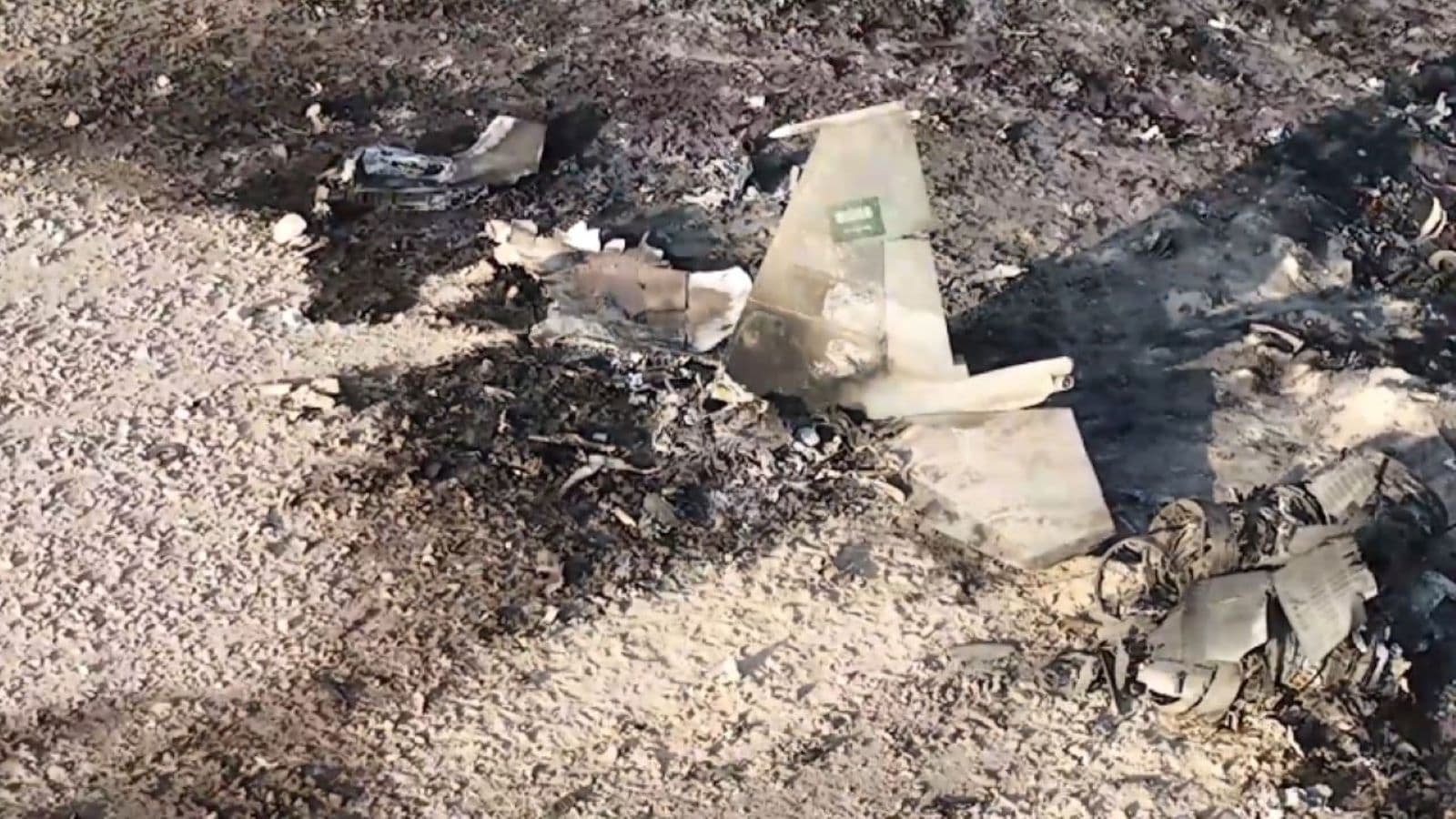
When the footage surfaced, it did not arrive as a formal press release or a polished diplomatic briefing from a capital city. It came in digital fragments. A grainy video, timestamped in the harsh light of the Marib governorate, showing twisted aluminum and composite panels strewn across the dunes. The claim was stark and immediate: a Saudi Arabian F-15 fighter jet, a multi-million-dollar apex predator of modern aviation, brought low by a surface-to-air missile system operated by Houthi forces.
To understand why this matters, you have to step back from the tactical metrics. You have to look at the geometry of endurance in a conflict that has bled an entire generation dry.
An F-15 is not merely a machine. It is a floating fortress of engineering, packing radar systems, electronic countermeasures, and payload capacities designed to dominate airspace. Imagine the preparation hours before takeoff. In a sterile air-conditioned hangar, pilots inspect flight plans, review threat assessments, and strap themselves into survival gear that weighs nearly as much as heavy body armor. They pull heavy helmets over their heads, connecting oxygen masks and communication cables, entering a claustrophobic world of dials, switches, and multi-function displays.
Pilots who fly these missions undergo years of punishing physical and mental conditioning. They are trained to operate at the razor-edge of human capacity, where a single miscalculation in G-force tolerance or altitude awareness can mean instantaneous disaster. When such an aircraft falls, the shockwave travels far beyond the physical crater in the sand. It reverberates through military headquarters in Riyadh, shifts the calculus of regional alliances, and alters the psychological atmosphere for millions living below the flight paths.
Imagine standing in the open desert when the horizon tears open.
A sound unlike anything in nature—a deafening roar that shreds the quiet of the morning, followed by a concussive boom that rattles teeth in skulls. Then, silence. Not peaceful quiet, but the heavy, suffocating stillness that follows catastrophe.
The video evidence released by the Houthi media wing displayed charred wreckage scattered across kilometers of desolate terrain. Serial numbers visible on fragments matched components of advanced tactical aircraft. Independent military analysts immediately set to work dissecting every frame, zooming in on rivet patterns, paint codes, and thermal signatures to verify authenticity. In modern warfare, truth is often the first casualty, contested fiercely across fiber-optic cables before physical recovery teams even reach the site.
Yet, amid the digital noise and geopolitical posturing, the human reality remains obscured.
Who was flying that jet? What thoughts crossed their mind in the final seconds before impact? Ejection seats are marvels of survival engineering, rocket-propelled chairs designed to punch a pilot clear of a disintegrating fuselage. But surviving the ejection is only the beginning of a terrifying new chapter. Landing by parachute in hostile territory, miles from friendly lines, surrounded by rugged terrain and active combatants, is the ultimate nightmare scenario for any aviator. The isolation is complete, the danger absolute.
Wars are fought by nations, but they are experienced by individuals.
On the ground in Marib, families wake up every day to the hum of aircraft overhead. For them, the sky is not a pathway for commerce or travel; it is a ceiling of potential terror. Drive past the makeshift displacement camps on the outskirts of the city, and you will see children whose entire lives have been defined by conflict. Every drone buzz, every fighter jet streak leaves them clutching their mothers' hands, wondering if today is the day something falls from the clouds. The appearance of a downed F-15 is not a tactical victory to celebrate or a defeat to mourn from a distance—it is another terrifying reminder that nowhere is safe, that the machinery of destruction operates above their heads with absolute indifference to human life.
The strategic implications are profound. Marib is the last northern stronghold recognized by the internationally recognized government. Control over its oil and gas fields, its supply routes, and its high ground determines the balance of power in Yemen's grinding civil war. Air superiority has long been the primary advantage for the Saudi-led coalition, allowing them to project power, interdict supply lines, and provide close air support to ground forces. When that air superiority is challenged—whether through sophisticated anti-air tactics, smuggled missile technology, or tactical attrition—the entire strategic map shifts.
Military experts have spent decades studying the vulnerability of fourth-generation fighters to integrated air defense systems. The doctrine of air dominance relies on suppression and destruction of enemy air defenses, a meticulous dance of electronic jamming and anti-radiation missiles. But asymmetric warfare has rewritten the rules. Non-state actors and regional militias now possess access to modified surface-to-air systems, thermal optics, and intelligence networks that can ambush high-value assets when complacency or tactical necessity forces them into predictable patterns.
Every engagement writes a new chapter in the bloody manual of modern tactical aviation.
When a multi-role combat aircraft goes down, defense ministries do not operate in a vacuum. A successful strike against an advanced fighter jet prompts immediate reassessments of threat matrices, tactical flight profiles, and rules of engagement. Procurement officers review defensive suites, upgrading electronic warfare pods and infrared signature dampeners. Pilots are briefed on new threat rings, altering patrol routes to avoid zones where surface-to-air missiles have been detected.
Yet, the technical analysis misses the broader tragedy.
Every ton of shattered titanium and carbon fiber lying in the Marib desert represents billions of dollars diverted from human flourishing, education, healthcare, and infrastructure. In a nation already teetering on the precipice of famine, where clean water is a luxury and medical facilities operate with flickering generators, the financial cost of a single downed jet could fund community recovery programs for years. Instead, resources are incinerated in seconds.
Consider the ripple effects across international borders.
Diplomatic channels hum with urgent communiqués whenever a high-profile military asset is lost. Alliances are tested, security guarantees are scrutinized, and questions are raised about the long-term sustainability of military campaigns that stretch on for years without a decisive political resolution. The debris field in Marib is scrutinized not just by ballistics experts, but by strategists trying to forecast the trajectory of regional power balances in the Middle East.
Yet, when the tactical dust settles and the satellite imagery is analyzed by intelligence agencies in distant capitals, the desert winds simply blow the sand back over the wreckage.
The physical remains of the aircraft will eventually be scavenged, cataloged, or buried beneath the shifting dunes. The video will fade from the 24-hour news cycle, replaced by the next escalation, the next diplomatic impasse, the next tragedy in an endless sequence of conflicts. But the psychological scars etched into the earth remain indelible.
We must ask ourselves what normalizes this level of destruction. How did humanity reach an era where the downing of a multi-million-dollar flying machine and the potential loss or capture of its crew becomes just another piece of content to be shared, analyzed, and debated on social media feeds between advertisements and entertainment clips?
The detachment is absolute. We consume war through high-definition screens, parsing military hardware like sports statistics while real human beings bleed beneath the rubble.
When you strip away the propaganda, the telemetry data, the expert commentary, and the political chest-beating, what remains is profoundly simple and devastatingly tragic. A machine built to kill was destroyed. People were endangered, injured, or killed. A community already broken by years of conflict shuddered under the shockwave of modern firepower.
The wreckage in Marib is not just a monument to technological supremacy or tactical vulnerability. It is a mirror reflecting our collective failure to resolve differences through anything other than fire and steel. Until we confront that uncomfortable truth, the skies above Marib—and countless other contested zones across the globe—will continue to rain destruction, and the desert will keep claiming its quiet, tragic toll.


