The coffee in the porcelain cup was still warm when the sound tore through the afternoon.
In southern Lebanon, time does not always move forward in an orderly line. Sometimes, it shatters in a fraction of a second. A quiet afternoon in a border village, defined by the rustle of olive leaves and the distant hum of daily life, can transform into a catastrophe before a single thought can fully form. Seven lives. Erased in an instant. Lebanese state media reported the bare coordinates of the tragedy, cold figures attached to a brutal airstrike, but statistics cannot capture the weight of a vanishing world.
Silence follows. It is a heavy, suffocating silence that settles over the rubble.
To understand what happened, one must look beyond the sterile briefings of military strategists and look directly at the earth. For months, the borderlands have existed in a state of suspended breath. Families have lived with their bags packed near the door, a grim ritual born of past wars and lingering fears. Yet, human nature demands routine. People tend gardens. They bake bread. They whisper about tomorrow, hoping against hope that tomorrow will grant them permission to stay.
Then, the sky breaks.
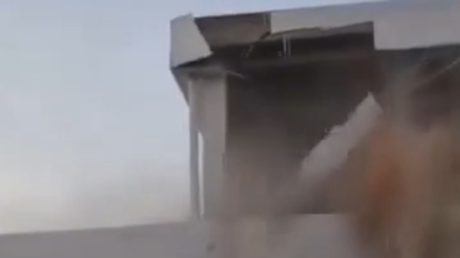
According to verified reports from local authorities and regional journalists, the airstrike struck residential areas in southern Lebanon, claiming the lives of seven individuals. Among them were civilians who had chosen to ride out the storm in their ancestral homes, refusing to abandon the soil their grandfathers plowed. To call them casualties is accurate, but incomplete. They were anchors of their communities. They were keepers of local history.
Consider the rhythm of a typical morning in these villages. The call to prayer mingles with the clinking of glass from a nearby coffee shop. Old men sit on stone walls, debating politics with the fierce passion unique to the Levant. Children chase stray cats down winding alleys. It is a fragile, beautiful ecosystem of human connection.
And then, air superiority asserts itself.
The mechanics of modern warfare are terrifyingly clinical. A coordinate is entered. A pilot miles above the cloud cover presses a button. A missile slices through the sound barrier. But the human impact is profoundly chaotic. It is measured in shattered masonry, scattered shoes, and the haunting wail of survivors digging through concrete with bare hands.
Military analysts will debate the tactical necessity of the strike. They will parse intelligence reports, discuss deterrence, and measure the escalatory ladder with cold, professional detachment. They will talk about cross-border fire, strategic positioning, and rules of engagement. This is the language of power. It is a language designed to distance the speaker from the screamed reality on the ground.
Listen instead to the mother searching for her child's school notebook in the dust. Her reality has no room for strategic doctrines. Her world has shrunk to the width of a grave.
This is the hidden cost of prolonged conflict. It normalizes the unthinkable. When news tickers flash headlines about single-digit death tolls, the global audience scrolls past, numbed by the sheer volume of global suffering. Seven dead in Lebanon blends into the background noise of a world constantly on fire. But every single digit represents a universe of unfulfilled potential, a gallery of memories now turned to ash, a family dinner table with permanently empty chairs.
History teaches us that wars in the Middle East rarely stay contained within their immediate borders. They ripple outward, sending shockwaves through global markets, political alliances, and human hearts. But the epicenter is always local. It is always a specific kitchen, a specific street, a specific family.
We must admit a hard truth. The systems designed to protect human life in times of crisis are failing catastrophically. International law becomes a suggestion when missiles begin to fall. Diplomacy moves at the speed of a glacier while destruction travels at the speed of sound. Ordinary people are left as collateral in a game they never chose to play, governed by forces they cannot influence.
The sun begins to set over southern Lebanon. The dust from the strike hangs in the orange light, catching the fading rays like millions of tiny, glittering diamonds. Below that haze, volunteers finish their grim work under the pale glow of flashlights. Tomorrow, the living will wake up and face the impossible choice that defines life on the border: to stay and risk everything, or to leave and become a stranger in one's own country.
There is no neat resolution here. No policy recommendation that can magically stitch the broken sky back together. There is only the lingering echo of a siren, the smell of cordite in the Mediterranean breeze, and the quiet, unbearable dignity of people burying their dead.