The rain in the high mountains does not fall. It attacks.
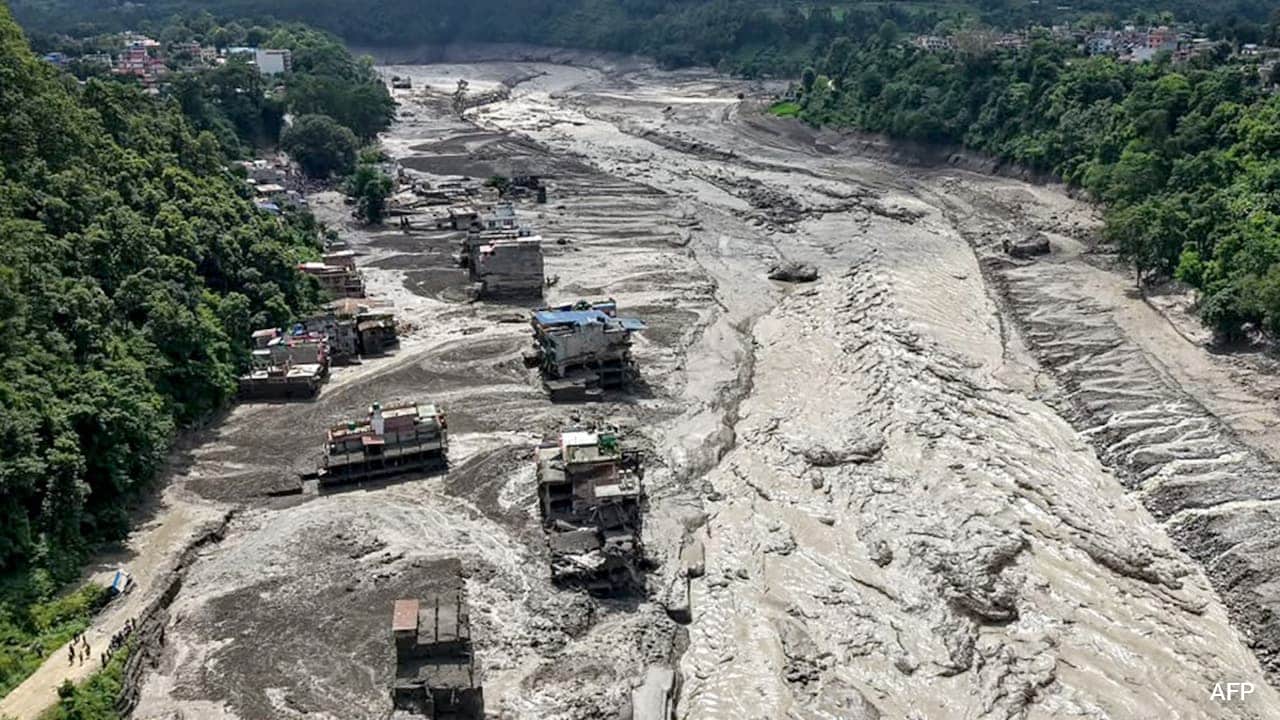
It starts as a low, sullen rumble, vibrating against the stone walls of a teahouse at three thousand meters. To a seasoned trekker, the sound is instantly recognizable: the mountain clearing its throat. But when the monsoon arrives with a lethal fury, ordinary weather transforms into something biblical. Entire hillsides detach. Mud rivers, thick as wet concrete and heavy as iron, swallow footpaths, bridges, and the fragile human lifelines that cling to the steep Himalayan cliffs.
Consider a hypothetical traveler named Liam. Let us call him Liam because he represents the hundreds who fly into Kathmandu every autumn, drawn by the raw, oxygen-thin majesty of the Annapurna or Everest regions. He has a sturdy pair of boots, a pack smelling of synthetic fabric and DEET, and a head full of postcards he bought in Thamel. He wants the silence of the peaks. He wants the blue sky that follows a sudden cloudburst.
He does not expect the river to turn brown. He does not expect the telephone lines to snap like dry twigs, cutting him off from a worried partner six thousand miles away.
When catastrophic floods and landslides tear through Nepal, the headlines in international media are swift and clinical. They speak of blocks, millimeters of rainfall, and casualty metrics. They list numbers of foreign tourists unaccounted for in remote districts like Manang, Mustang, or Solukhumbu.
Missing.
It is a sterile word for a terrifying reality. Behind every numerical digit on a consular report is a family refreshing a tracking page, an embassy official fielding frantic international calls, and a local guide staring up at a blocked valley, wondering how to get their guests out when the sky refuses to clear.
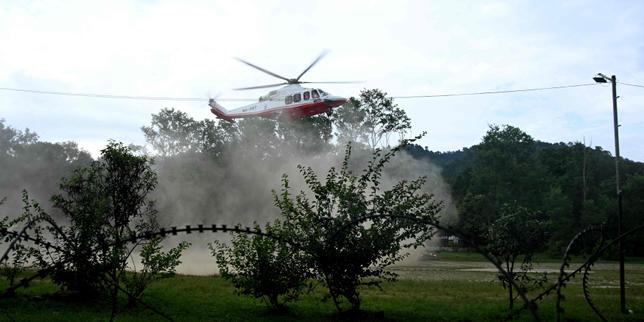
The human element of a natural disaster is found in the margins. It is the hotel owner in Pokhara who knows every foreign guest by their coffee preference, pacing the lobby as the hours stretch into days without a ping from a satellite messenger. It is the rescue pilot staring through a windshield varnished by torrential rain, calculating whether the updraft in a narrow gorge will allow them to land on a scrap of mud where stranded hikers huddle under blue tarps.
We often talk about adventure travel as a conquest. We conquer peaks. We cross passes. We check itineraries off a spreadsheet curated by digital nomads and travel influencers. But the mountains remain indifferent to our ambition. When cloudbursts trigger catastrophic flash floods, the wilderness reminds us of a humbling truth: we are merely temporary visitors passing through a living, breathing, and sometimes violent earth.
The logistics of finding missing foreign nationals in the wake of a Himalayan disaster are a nightmare of geography and infrastructure. Many trek off-grid. They register at local checkposts, but in the chaos of a sweeping landslide, paper logs get washed away. Satellite trackers like Garmin InReach or ZOLEO offer a modern lifeline, but batteries die. Signals fail when gorges are too deep.
And so, a terrifying lag occurs between a disaster happening and the world realizing the scale of it.
When the waters finally recede, they leave behind a landscape utterly rewritten. Familiar suspension bridges hang like broken necklaces over empty air. Footpaths carved out of cliff faces centuries ago simply cease to exist.
Yet, amidst the wreckage, resilience asserts itself in quiet, devastating ways. Local communities—who lose far more than anyone else when the rivers rise—mobilize instantly. Porters become guides through uncharted debris. Teahouse owners share their remaining sacks of rice with stranded strangers who cannot pay.
The river eventually slows. The brown water clears, turning back into the icy, translucent blue that beckoned travelers in the first place. But the silence left behind by those who remain unaccounted for does not fade so easily. It lingers in the damp air of the valleys, a quiet monument to the day the mountain shifted, and the world stopped to listen.