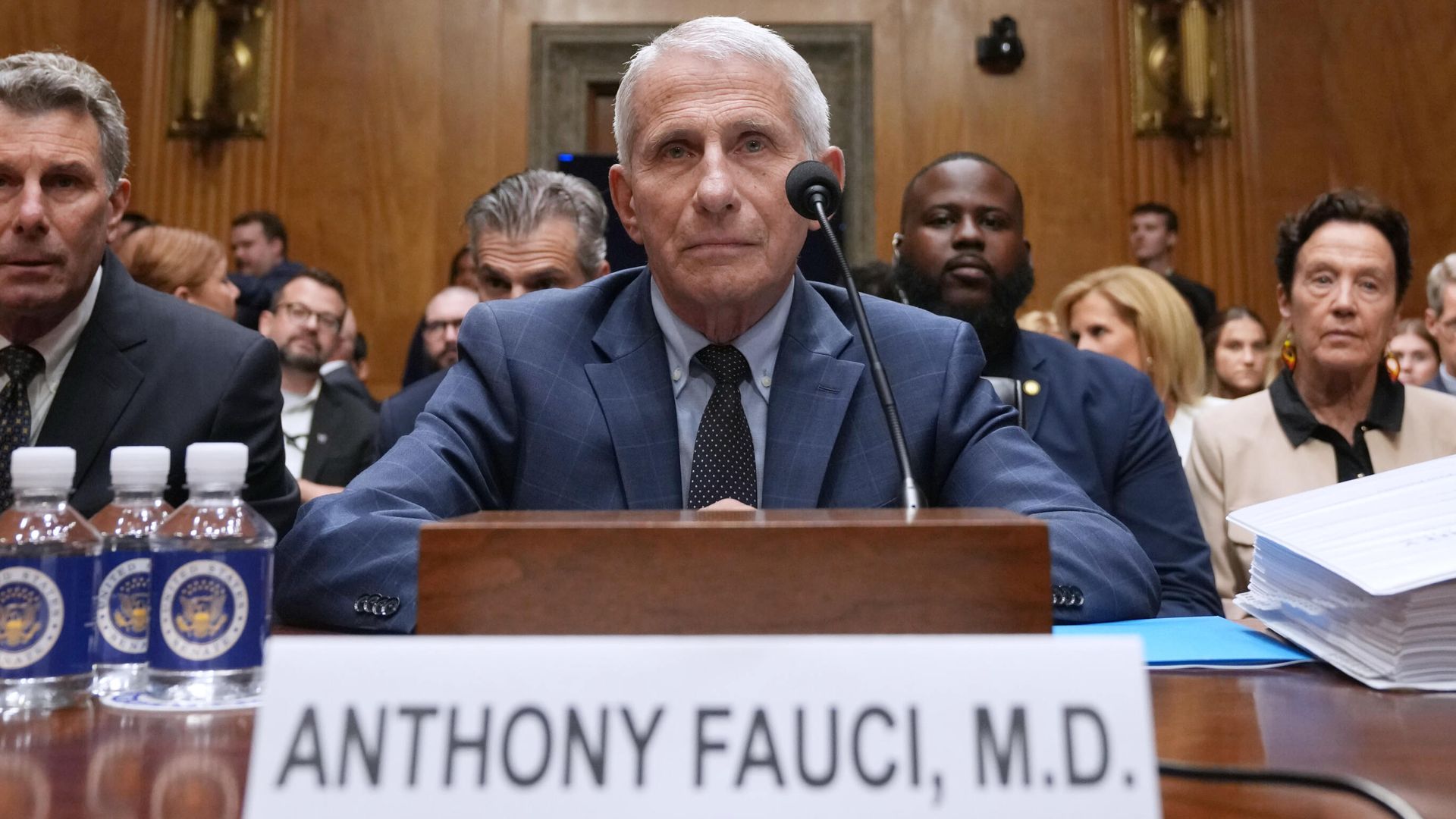
When a former high-ranking presidential adviser quietly takes the stand only to invoke the Fifth Amendment and refuse all questioning during a Senate inquiry into pandemic spending, the public witnesses more than a mere legal maneuver. We watch the systematic breakdown of legislative accountability.
This moment exposes a deeper structural rot within modern political oversight. Congressional committees retain subpoena power, yet they frequently lack the teeth to compel meaningful testimony when witnesses choose silence. This dynamic creates a dangerous blueprint for evading accountability. High-profile figures facing scrutiny over billions in federal contracts or public health decisions realize they can stonewall investigations with minimal immediate consequence.
The Mechanics of Legislative Impasse
To understand how we arrived at this gridlock, examine the tools available to modern congressional investigators. Subpoenas land on desks with the weight of official authority, but enforcing compliance is an agonizingly slow bureaucratic march.
When a witness declines to answer questions, citing self-incrimination protections under the Constitution, the committee faces a wall. Investigators cannot force speech. They must pivot to alternative strategies, usually involving criminal referrals for contempt of Congress to the Department of Justice.
[Congressional Subpoena Issued]
       │
       ▼
[Witness Invokes Fifth Amendment]
       │
       ▼
[Legislative Dead End] ──► [Contempt Referral (Slow Path)]
This referral mechanism breaks down under partisan pressure. Prosecution depends entirely on executive branch priorities. If the political alignment of the Justice Department matches the sympathies of the reluctant witness, or if leadership fears protracted court battles, enforcement stalls indefinitely. The Constitution grants Congress the power of inquiry, but decades of legal precedent and political polarization have stripped that power of its urgent enforcement mechanisms.
Following the Paper Trail Through the Pandemic Response
Behind closed doors, the Senate subcommittee hearings focus on the massive transfer of wealth and emergency funding executed during the early days of the COVID-19 response. Billions of dollars moved rapidly through federal agencies to private contractors, bypassing standard competitive bidding procedures in the name of crisis management.
When oversight bodies attempt to audit where those funds actually landed, the trail goes cold at the intersection of political appointees and private enterprise.
- Emergency procurement rules eliminated standard bureaucratic wait times.
- Billions in no-bid contracts went to entities with little prior experience in medical logistics.
- Congressional investigators attempting to trace performance metrics find incomplete records.
Insiders know that emergency powers always expand executive discretion while shrinking legislative visibility. When the administration changes or public pressure mounts, the actors responsible often transition out of government service. They enter lucrative consulting roles or corporate boards, shielded from direct public questioning by legal representation and constitutional shields.
The Cost of Unanswered Questions
Every time a major figure refuses to testify before a congressional panel, public trust in democratic institutions erodes further. Citizens watch million-dollar programs unravel with zero personal accountability for the architects of those policies.
The silence from the witness chair is not a neutral act. It is a strategic calculation that impunity outweighs transparency. Until the statutory framework governing congressional subpoenas gains automatic enforcement mechanisms or immediate civil penalties that bypass executive branch gatekeepers, oversight hearings will remain theater rather than investigation.
The gavel falls, the microphones record the refusal, and the record closes with no answers provided. Accountability deferred becomes accountability denied.


