You probably don't know their names, but a small group of doctors and scientists has been saving you thousands of dollars a year at the pharmacy and the clinic. Whenever you get a mammogram, a colonoscopy, or a depression screening and notice your insurance company covered it completely—without a single dollar coming out of your pocket for a co-pay—you have the U.S. Preventive Services Task Force (USPSTF) to thank.
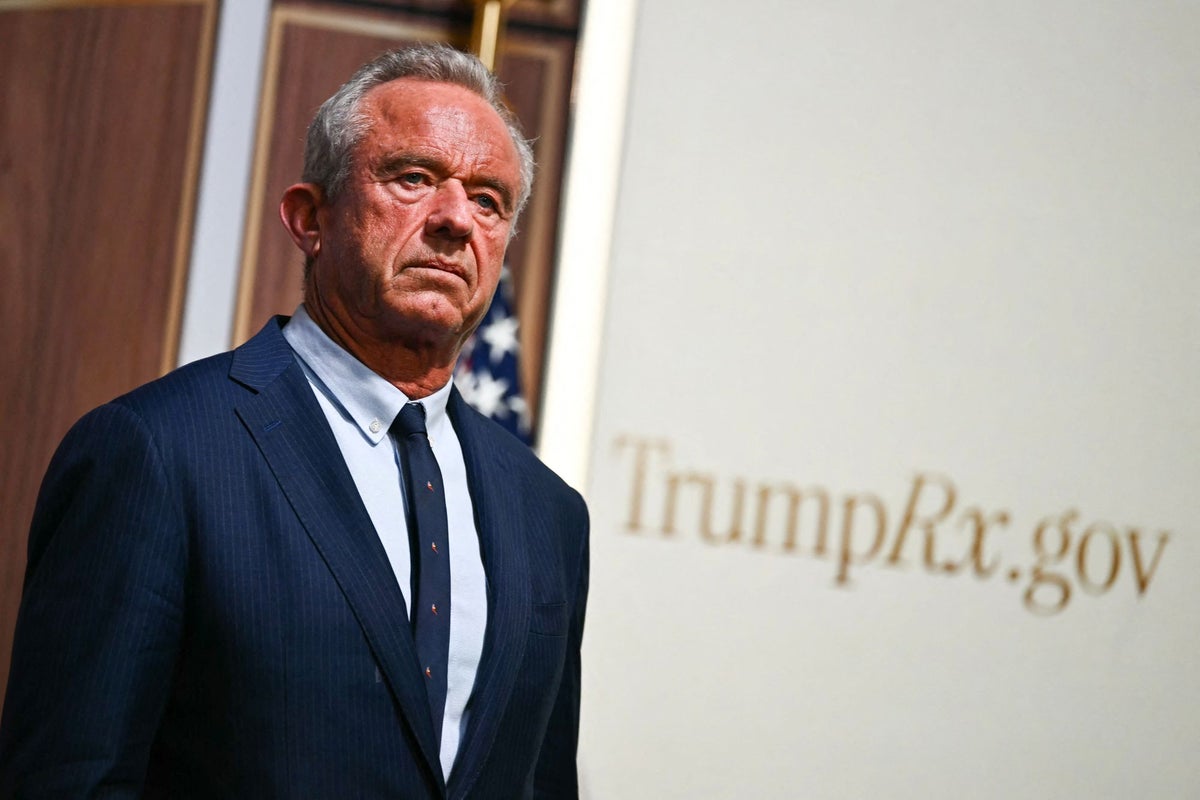
That reality is shifting. Health and Human Services (HHS) Secretary Robert F. Kennedy Jr. just fired the top two leaders of this obscure but incredibly influential panel. In letters sent to Dr. John Wong of Tufts Medical Center and Dr. Esa Davis of the University of Maryland School of Medicine, Kennedy abruptly terminated their appointments as vice chairs.
This isn't just bureaucratic musical chairs in Washington. It's a fundamental restructuring of how the U.S. healthcare system determines what is considered essential medicine, and it has massive implications for your healthcare costs.
The Quiet Power Over Free Healthcare
To understand why these firings matter, you have to understand how the Affordable Care Act (ACA) actually works. Under the law, private insurance companies and Medicaid expansion programs are forced to cover certain preventive services at no cost to the patient. But the law doesn't list those services. Instead, it delegates that power to the USPSTF.
The task force reviews clinical trial data and assigns letter grades to medical interventions. Anything that gets an "A" or "B" grade must be covered by law with zero cost-sharing.
It's a system designed to keep politics out of medicine. The volunteers on this panel look strictly at peer-reviewed data to decide if a screening does more good than harm.
By ousting Wong and Davis, Kennedy is disrupting a framework that has governed preventive health for decades. Half of the 16 seats on the panel are now empty. The administration has already postponed the task force's public meetings over the past year, effectively freezing its ability to issue new guidelines.
The Battle Over Expertise and Specialization
Kennedy hasn't hidden his distaste for the current setup. Last month, he openly called the task force "lackadaisical" and negligent during a congressional hearing, arguing that it needs to be reformed for better transparency. His termination letters claimed the firings were non-performance related and aimed at ensuring "clarity, continuity, and confidence" in HHS oversight.
But look at what he's planning next. Kennedy wants to shift the makeup of the panel away from primary care generalists and bring in specific specialists.
On paper, adding specialists sounds logical. Why wouldn't you want a cardiologist looking at heart data? But public health organizations like AcademyHealth point out that this misses the entire point of the task force. General practitioners look at the big picture of a patient's life. Specialists, by definition, focus deeply on their specific organ system or disease, which can lead to over-screening, over-treatment, and skyrocketing insurance premiums.
There's a reason the medical establishment is panicking. The American Medical Association (AMA) immediately condemned the firings. AMA President Dr. Bobby Mukkamala noted that the move looks exactly like what Kennedy did to the CDC's vaccine advisory panel last year, where he replaced the entire membership and subsequently restricted various vaccine recommendations.
What’s Trapped in the Pipeline
Because the administration has sidelined the panel and halted meetings, vital healthcare updates are completely stuck. Doctors rely on these updates to change how they treat you. Right now, several critical guidelines are sitting in limbo, including:
- Cervical Cancer: Final updates endorsing self-swabs, which would allow women to screen for HPV at home.
- Perinatal Depression: New counseling recommendations for pregnant women and new mothers at high risk for postpartum depression.
- Alcohol Use: Updated screening tools for identifying unhealthy alcohol consumption in adults.
When these guidelines stall, insurance companies don't have to update their coverage. You end up waiting longer for safer, more convenient testing methods, or you pay out of pocket for them.
Keeping Tabs on Your Coverage
Don't panic and assume your free checkups are vanishing tomorrow. The existing "A" and "B" recommendations remain active for now. If you have an upcoming mammogram or colonoscopy, your insurance is still legally required to cover it.
You need to take charge of your own preventive care layout before things shift further. Call your insurance provider before scheduling any preventive screen and explicitly ask if the service code is covered under the ACA zero-cost mandate. Keep detailed records of these calls. If you are pregnant or planning a family, monitor updates regarding maternal health screenings closely, as these are the areas most vulnerable to immediate gridlock.
The independent walls around American medicine are being dismantled. Whether you view Kennedy as a necessary disruptor shaking up a stagnant system or a chaos agent undermining science, the result is the same: the definition of what constitutes free healthcare is changing, and you'll need to watch your medical bills a lot closer.