Power is rarely a clean thing. We imagine it as a high-backed leather chair, a polished mahogany desk, the solemn chime of a grandfather clock in a room where history is written in neat, black ink. We picture the statesman standing tall, shoulders squared against the weight of a nation, receiving applause that swells like an incoming tide.
We forget about the quiet hum of the phone at three in the morning.
We forget about the envelope that arrives without a return address.
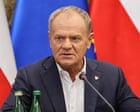
Donald Tusk knows that hum. He knows the weight of that envelope. As the Prime Minister of Poland, he has spent decades navigating the volatile currents of European politics—a theater where words are weapons and alliances shift like sand underfoot. But there is a distinct, chilling difference between the usual bruising combat of parliamentary debate and the sudden, razor-thin line that separates political rivalry from absolute violence.
Recently, that line blurred entirely.
Polish authorities moved quietly, methodically, to detain a man suspected of plotting an assassination against Tusk. No dramatic cinematic shootout in a rain-slicked alley. Just the grim, bureaucratic machinery of state security kicking into gear to intercept a threat that could have plunged an already fragile continent into chaos. The suspect, a Polish citizen swept into the dark undercurrents of extremist ideology, had allegedly sought assistance from foreign military intelligence services to eliminate the head of government.
Let that sink in. Foreign intelligence. A domestic actor. A target who represents the democratic mandate of millions.
It sounds like fiction. It is not.
Consider what happens when public discourse decays into a blood sport. For years, political polarization has metastasized across Europe and the wider world. We have watched screens glow with manufactured outrage, comment sections curdle into hate, and rhetoric climb an escalating ladder of fury. Words matter. When you convince a fragile, alienated mind that an opponent is not merely wrong on tax policy or foreign relations, but is an existential evil that must be purged from the earth, you stop being a political commentator. You become an arsonist throwing matches into a dry forest.
The suspect in custody did not materialize out of a vacuum. He was nurtured by the ambient toxicity of our current era—an era where algorithms reward extremity and isolation breeds radicalization. In the quiet hours before his arrest, he was likely sitting alone in a dimly lit room, scrolling through feeds that validated his grievances, convincing himself that he was about to become an executioner of history.
He was wrong. Security services intercepted the plot before it could mature into tragedy.
Yet, the interception of a single plot does not disinfect the wound. It merely patches it.
Tusk is no stranger to the shadows of political violence. Poland’s modern political memory still bears the deep, unhealed scar of the 2010 Smolensk air disaster, which claimed the lives of President Lech Kaczynski and dozens of other high-ranking officials. The nation knows all too well how fragile the continuity of governance can be, how quickly a nation can be tipped from routine politics into collective grief. To face a targeted assassination plot today is to stare directly into the face of that historical ghost.
When the news broke, the reaction was swift, measured, and terrifyingly routine. Security was reviewed. Statements were issued. The Prime Minister continued his work. That is the surreal burden of modern leadership: you must absorb the knowledge that someone tried to erase you, and then you must step up to a microphone and discuss agricultural subsidies or inflation rates as if your hands are not shaking.
We have normalized this terror. That is the true tragedy. We read headlines about foiled plots, heightened security threats, and extremist cells with a jaded shrug, treating them like weather reports—unpleasant, inevitable, but ultimately background noise to our daily routines.
We cannot afford that numbness.
Democracy is not a self-sustaining monument. It is a fragile campfire built in the middle of a dark, indifferent wilderness. It requires constant tending, constant protection, and above all, a collective agreement that we will not let the fire go out just because we disagree on how to warm our hands.
The man plotting against the Polish Prime Minister is behind bars. The investigation crawls forward into the encrypted messaging apps and clandestine meetings where the plot was hatched. But the larger question remains unanswered, hovering in the heavy air of European capitals.
How do we pull our societies back from the precipice? How do we rebuild a world where disagreement does not automatically translate into destruction?
The podium remains occupied. The speech must still be given. But the shadow behind the speaker has grown longer, darker, and entirely too real.