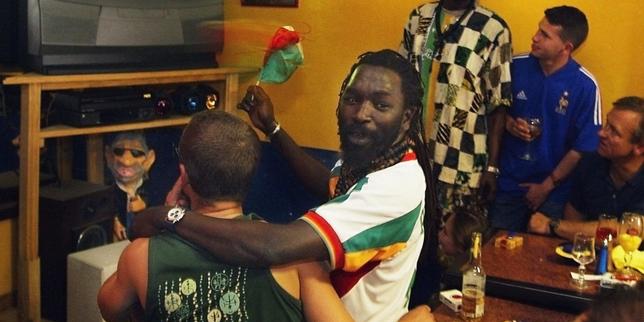
Music in the Brazilian national football team is not just background noise. It dictates the entire mood of the squad. When former Brazil coach and captain Dunga spoke about what played in the dressing room during their iconic runs, he exposed a massive truth about football culture. Football tactics matter, but locker room harmony wins trophies.
Most fans think elite athletes sit in silence focusing before a massive match. Brazil does the exact opposite.
How Dunga Revealed the Real Sound of Brazilian Football
Dunga represents a specific era of grit and discipline. Yet even under his strict leadership, music remained untouched. He noted that samba and pagode were the absolute lifeblood of the squads he played in and managed. It was not a distraction. It was a tool for unity.
The 1994 World Cup squad, which Dunga captained to victory in the United States, relied heavily on these rhythms. Players did not just listen to recorded tracks. They brought instruments. Romário, Bebeto, and Ronaldinho in later years were known to lead live jam sessions right on the team bus.
This music creates a specific psychological state. It lowers anxiety. It builds a collective identity. When you have egos from Real Madrid, Barcelona, and Milan in one room, you need a unifying force. Samba became that equalizer.
Why Pagode and Samba Keep the Seleção Alive
Pagode is a subgenre of samba that originated in Rio de Janeiro in the late 1970s. It features a slower, more melodic tempo. It uses instruments like the pandeiro, cavaquinho, and tan-tan. It is communal music. You cannot easily sing pagode alone. You need a circle.
Look at successful Brazilian squads throughout history. The 2002 team in Japan and South Korea was famous for its musical output. Marcelo Regalado, a sports psychologist who studied South American team dynamics, notes that rhythmic synchrony creates a shared mental state. When players drum together, their heart rates often align. They start moving as one unit before they even step onto the pitch.
Dunga emphasized that this musical tradition helped break the tension of high-stakes tournaments. Think about the pressure of a World Cup semifinal. The entire world is watching. The country expects nothing less than a trophy. Walking into a stadium while singing and playing instruments deflects that immense pressure. It turns a stressful job into a game.
The Cultural Clash of Modern Football Dressing Rooms
The modern football landscape changed how teams interact. European clubs now feature players buried in giant noise-canceling headphones. Each player listens to their own isolated playlist. You see it every weekend in the Premier League or Champions League. Players get off the bus looking like corporate executives wrapped in technology.
Dunga pointed out that the traditional Brazilian approach resists this isolation. While European tactical discipline is vital, the emotional connection of the Brazilian squad comes from shared moments. When senior players start a chant, younger players find their footing. It bridges generational gaps within the team.
Here is what the traditional setup looks like compared to the modern European style:
The traditional Brazilian way relies heavily on live acoustic instruments. Players participate actively, singing together in an open locker room environment. This creates a collective, relaxed focus that builds deep team chemistry.
The modern European approach relies on digital streaming and headphones. Players listen passively and individually, creating an isolated environment. The focus is deeply personal, which helps individual concentration but does not inherently build group cohesion.
When Brazil won their titles, the collective approach dominated. When they struggled, critics often pointed to a fractured dressing room where players operated as individuals rather than a unified group.
Next Steps for Team Leaders and Coaches
You do not need to be a professional football player to use these insights. Group dynamics function similarly whether you are managing a sports team or a corporate project.
First, audit your team environment. Are your people isolated in their own silos? Encourage shared rituals that break down professional barriers.
Second, utilize music or shared activities to manage stress before major presentations or events. It changes the energy of the room instantly.
Finally, let your team members drive the culture. Dunga did not force a specific playlist on his players. He allowed the natural leaders of the squad to bring their instruments and set the tone. Give your team the autonomy to create their own rhythm, and the performance on the field will follow naturally.