Every Tuesday morning, a delivery driver leaves a small, insulated cardboard box on a porch in suburban Ohio. Inside, nestled between ice packs, is a tiny glass vial of clear liquid. The woman who opens the door doesn't have a prescription from her family doctor. She didn't visit a pharmacy. Instead, she entered her credit card information into a sleek website, checked a box affirming she was using the chemical for "research purposes only," and waited.
She is injecting herself with peptides.
To her, this vial represents hope. It is the promise of rapid weight loss, erased wrinkles, and boundless energy. She is not alone. Millions of Americans have quietly bypassed the traditional medical establishment, turning to an underground market of unproven, unregulated compounds. They are participating in a massive, uncontrolled public experiment.
Now, the debate over these chemicals is moving out of the shadows and directly into the halls of government.
The Food and Drug Administration stands at a critical crossroads. A special advisory panel is convening to determine the future of compounding pharmacies—the facilities that mix and distribute these custom substances. The decisions made by this committee will dictate what you can legally put into your body. But a quiet shift in the composition of this panel has sent shockwaves through the scientific community.
Experts who actively promote and profit from these unproven chemicals are being given seats at the table.
The Alchemy of the Modern Wellness Craze
To understand why this matters, we have to look at what a peptide actually is. Strip away the marketing jargon and the scientific mystique. At their core, peptides are just short chains of amino acids. They act as cellular messengers, telling your body to release hormones, build muscle, or burn fat. Some peptides, like insulin, are heavily regulated, thoroughly tested, and undeniably life-saving.
But the internet has fallen in love with a different class of peptides. These are the experimental compounds. They bear names like BPC-157, CJC-1295, and Melanotan.
Imagine your body’s endocrine system as a grand, complex piano. A validated, FDA-approved drug is like a master pianist striking a single, precise note. An unproven peptide bought online is more like dropping a heavy book onto the keyboard. It makes a loud sound, and it might even mimic a chord, but you have no idea what internal echoes it is triggering.
For years, the wellness industry treated these substances like a open secret. Fitness influencers touted them for injury recovery. Biohackers swore by them for longevity. The market exploded. Suddenly, local anti-aging clinics and online "telehealth" storefronts were minting fortunes by prescribing custom-blended peptides directly to consumers.
Then came the crackdown.
The FDA began classifying many popular peptides as Category 2 substances. This designation meant the agency found significant safety risks, a lack of data, or a high potential for contamination. Compounding pharmacies were effectively banned from making them. The multi-billion-dollar wellness pipeline began to clog.
But the demand never went away. It just changed shape.
The Political Pivot
Enter Robert F. Kennedy Jr.
With a mandate to disrupt the nation's health agencies, the political landscape underwent a seismic shift. Kennedy has been a vocal critic of the FDA’s restrictive stance on alternative therapies, specifically naming peptides as tools that Americans should have the freedom to access. The argument is framed around personal liberty and medical autonomy. Why should a federal bureaucracy stand between a citizen and a molecule?
It is a seductive argument. It resonates deeply with anyone who has felt dismissed by traditional doctors or trapped by the soaring costs of mainstream pharmaceuticals.
But science does not care about political philosophy.
The real danger of unregulated peptides isn't necessarily the active ingredient itself; it is the Wild West ecosystem that produces them. When a compound is manufactured for "research purposes," it bypasses the rigorous sterile processing standards required for human injectables. Contaminants, heavy metals, and incorrect dosages are rampant. A single microscopic speck of bacteria in an injectable solution can cause severe sepsis.
Consider the mechanism of the advisory panel. The FDA relies on these committees to provide unbiased, peer-reviewed expertise. They are supposed to be the ultimate filter, separating rigorous scientific evidence from wishful thinking and corporate greed.
When the roster for the upcoming panel on compounding peptides was finalized, independent researchers noticed a profound shift. Multiple seats were assigned to individuals with direct ties to the very industry under review. These are clinicians who operate lucrative anti-aging clinics, individuals who speak at wellness conferences sponsored by peptide manufacturers, and advocates who have built their entire professional brands on the propagation of these unproven formulas.
The foxes are not just guarding the henhouse. They have been given blueprints to expand it.
The Illusion of Certainty
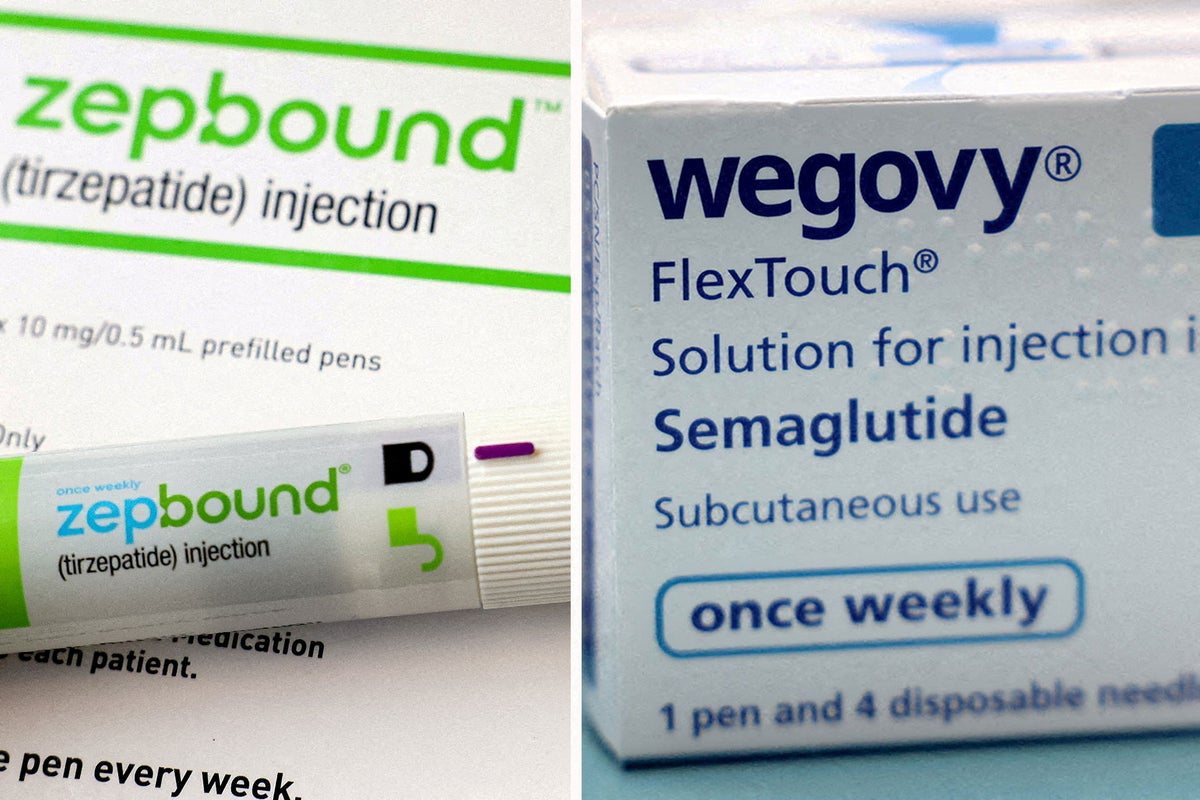
We live in an era of profound institutional distrust. People are tired of waiting a decade for clinical trials to conclude while they suffer today. They see the rapid rise of blockbusters like Ozempic—which is itself a peptide—and wonder why they cannot have access to the next generation of therapies right now.
This impatience creates a lucrative blind spot.
When you speak to proponents of experimental peptides, they speak with absolute certainty. They cite small, obscure studies conducted on rats or in petri dishes as definitive proof of human efficacy. They use complex medical terminology to weave a narrative of cutting-edge health optimization.
But real expertise requires the humility to admit what we do not know.
The human body is an incredibly interconnected system. A peptide that accelerates muscle healing might also accelerate the growth of hidden, dormant tumor cells. A chemical that darkens the skin might alter liver enzymes in ways that take years to manifest. When we bypass the boring, slow, frustrating process of large-scale clinical trials, we throw away our only safety net.
The upcoming FDA panel meetings will likely be contentious. The industry-backed experts will advocate for loosening restrictions, arguing that compounding pharmacies provide vital, customized care that major pharmaceutical companies ignore. They will position themselves as champions of the consumer.
But look closely at the stakes.
If the guardrails are lowered, the underground market becomes the mainstream market. The boundary between a rigorously tested medication and an experimental chemical elixir will dissolve entirely. The consumer will bear all the risk, while the profits flow directly to the clinics and compounding labs represented on that very panel.
The woman in Ohio finishes her injection. She wipes away a tiny droplet of blood with a cotton ball, throws the plastic syringe into a biohazard container, and replaces the glass vial in her refrigerator. She feels fine today. She feels energetic. She believes she is taking control of her health.
She has no idea that her health is currently being bartered in a sterile conference room in Washington, where the definition of safety is being rewritten by the people who stand to gain the most from its dilution.