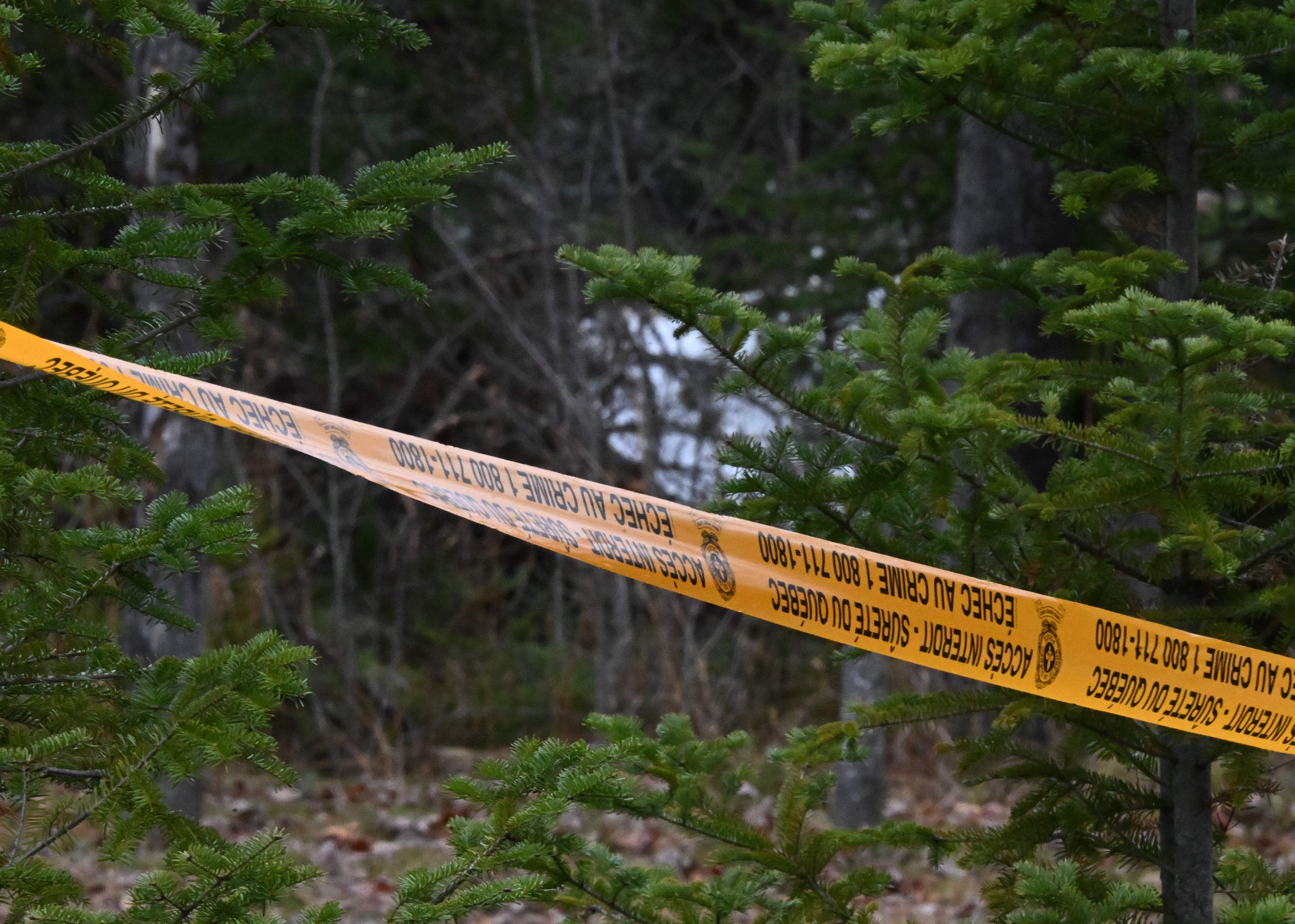
Daniel Parent, a 68-year-old pilot from Saint-Georges, Quebec, died on November 11, 2026, after his single-engine Mooney aircraft crashed into a wooded area near the local airport during a Remembrance Day flyover.
He was alone in the plane. He had been flying in a six-aircraft civilian formation linked to the community's ceremony when his plane broke away as planned, passed beneath another aircraft while trying to rejoin, and went down in trees around 11 a.m. Don't miss our previous article on this related article.
A basic news update stops at the name, the age, and a few lines of condolences. That leaves out the part that actually matters if you fly, follow aviation safety, or wonder why a tribute flight goes wrong right over a small town. Ceremonial flyovers look calm from the ground. Up close, they ask civilian pilots to fly tight geometry at low altitude, and small errors leave very little room to recover.
How the Saint-Georges Plane Crash Unfolded
Saint-Georges sits in Quebec's Beauce region, roughly 100 kilometers south of Quebec City. On November 11, 2026, civilian pilots in private planes were taking part in a Remembrance Day flight connected to the town's observance. If you want more about the background here, The New York Times offers an informative breakdown.
According to the Transportation Safety Board of Canada (TSB), Parent was flying a single-engine Mooney alongside five other planes. During a planned break-off maneuver, his aircraft separated from the group. While trying to rejoin the formation, the Mooney passed underneath another plane and kept going on that trajectory before crashing into nearby woods near the Saint-Georges airport.
Local residents heard a sharp metallic sound and saw a fireball and black smoke rise from the trees. Fire chief Frédéric Morin told Radio-Canada that crews reached the scene in under six minutes, yet the aircraft was already heavily ablaze. Police initially reported serious injuries and confirmed Parent's death before 1:30 p.m.
The City of Saint-Georges and Quebec's coroner's office identified the victim as 68-year-old Daniel Parent, a member of the local flying club who had flown in past Remembrance Day ceremonies. Flags at city hall and the airport were lowered to half-mast. The Department of National Defence confirmed the aircraft was not a Royal Canadian Air Force plane and Parent was not military.
Why Formation Flyovers Carry Hidden Risks
From a park bench or a curb near a war memorial, a six-plane formation looks like a neat, celebratory pass. In the cockpit, it's a high-workload exercise.
Civilian formation flying isn't like flying solo on a sunny cross-country hop. When you fly solo, you scan outside, check your instruments, and build a mental cushion around terrain and weather. In formation, your eyes stay locked on a reference plane while your hands and feet adjust power, pitch, and bank to hold position.
Break-offs and rejoins add another layer of complexity. Leaving a formation and sliding back into position requires careful speed management, clear sightlines, and disciplined spacing. In a single-engine aircraft like a Mooney—known for clean aerodynamics and slick speed—managing energy during a rejoin takes real precision. If an aircraft gets low, loses visual contact, or pitches down while trying to slip back in, altitude disappears fast.
Add ceremony timing to the mix. Community events run on schedules, and pilots often fly near populated areas, power lines, and tree lines around small airports. Even experienced club flyers who know the local airspace well face tight margins when group dynamics shift mid-flight.
What Investigators Look at First After a Crash
Right after a fatal crash, rumors usually sprint ahead of facts. People ask if the engine quit, if a wing clipped another plane, or if a medical event happened. Honest answer: nobody knows yet until the physical evidence is examined.
The Transportation Safety Board of Canada sends investigators to document the wreckage, trace ground scars, check flight control continuity, and review weather, maintenance logs, and witness accounts. Because this was a private flight, there isn't necessarily a heavy commercial flight-data recorder sitting in the tail. Investigators piece the timeline together from physical clues, radar or tracking data where available, and statements from the other formation pilots and ground witnesses.
Alongside the TSB, Quebec's coroner's office—with coroner Jean-François Bertrand involved—examines medical and cause-of-death questions, while Sûreté du Québec officers handle scene security and routine checks, including major crime unit involvement that police noted is standard early on even though crashes rarely involve criminal acts.
One mistake readers often make is treating early witness descriptions as final answers. A resident seeing a plane dive into trees or hearing a loud bang tells you what it looked like in the final seconds, not why the aircraft entered that path. Official TSB reports take months because careful verification beats guesswork every time.
Common Misconceptions About Memorial Air Passes
People often assume any plane flying over a Remembrance Day service is run by the military. That wasn't the case in Saint-Georges. Local flying clubs and private owners frequently volunteer their time and aircraft to honor veterans in smaller towns where military air assets aren't stationed.
Another misconception is that formation flying is "just flying close together." In reality, formation work relies on standardized briefings, clear roles, and strict rules on when to break off if sight or spacing feels off. When a flight involves a planned separation and rejoin, communication and discipline matter just as much as stick-and-rudder skill.
Finally, some folks think small-plane accidents are mostly caused by mechanical failure. Sometimes parts fail or fuel/engine issues happen. Other times, spatial disorientation, distraction, or a misjudged maneuver near the ground plays a bigger role. Waiting for the TSB's findings respects both the science of accident investigation and the people grieving.
Practical Next Steps for Pilots, Clubs, and Readers
If you're a private pilot or part of a flying club planning community flyovers, treat every memorial pass like a formal mission, not a casual group ride. Run a thorough pre-flight briefing that covers rejoin geometry, minimum safe altitudes, lost-sight procedures, and a firm call-off rule if conditions or spacing feel sketchy. Practice formation and rejoin work at safe altitudes well away from towns before doing public passes.
If you're a family member, friend, or neighbor in Beauce processing the loss, lean on local support networks and give authorities space to complete their work without sharing unverified crash speculation online. You can track official updates through the Transportation Safety Board of Canada and Quebec provincial authorities as findings become public.