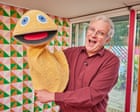
Some jobs start as a six-week gig and turn into a twenty-year legacy. Ronnie Le Drew understood that better than anyone. When the master puppeteer passed away at age 78 following a short illness, British television lost one of its quietest masterminds. You probably didn't know his face by heart. But if you grew up watching British children's television, or classic fantasy cinema in the nineteen-eighties, you spent hours staring directly at his craftsmanship.
He was the person operating Zippy, the brash, zip-mouthed icon of the ITV children's show Rainbow. Yet his career stretched far beyond a single dressing room or a colorful rainbow set.
The Six-Week Contract That Defined a Life
Le Drew didn't stumble into puppetry by accident. Born in Toronto before moving to the UK, he trained at London's prestigious Little Angel Theatre. He learned the agonizing physical discipline required to bring inanimate objects to life. You have to hold your arms above your head for agonizing stretches. You have to breathe life into felt, foam, and ping-pong balls while maintaining precise vocal sync or working alongside voice actors like Roy Skelton.
When he took over operating Zippy, it was supposed to be a temporary arrangement. Instead, that zipper-mouthed creature became a cultural touchstone. Zippy was chaotic, sarcastic, and wonderfully rude compared to wholesome children's television norms. Le Drew gave that orange menace real personality beneath the counter. He knew how to tilt a head or snap a zip to get an instant laugh from kids and parents alike.
Beyond Rainbow Into Blockbuster Fantasy
If Rainbow was his daily job, big-screen creature features were his playground. Le Drew brought his exceptional craft to legendary fantasy and musical projects throughout the nineteen-eighties and nineties.
He worked on Jim Henson's 1986 masterpiece Labyrinth, helping animate the goblins that tormented David Bowie and Jennifer Connelly. He also lent his hands and operating skills to Little Shop of Horrors that same year. Later, he joined The Muppet Christmas Carol in 1992, working alongside Michael Caine.
He also stepped into the boots of Sweep, the iconic silent dog sidekick to Sooty, working alongside Harry and Matthew Corbett. If a beloved British puppet needed to move naturally, Le Drew was usually the person behind the mechanism.
Keeping the Craft Alive
Many performers treat children's television as a stepping stone to "serious" acting. Le Drew leaned into puppetry as an art form worth protecting. He served as president of the British Puppet Guild for a decade, attending events, mentoring younger artists, and telling stories about the golden age of broadcasting. He also co-founded the London School of Puppetry alongside his partner Caroline Astell-Burt, ensuring the physical techniques of hand-and-rod manipulation didn't die out in a digital world.
He wrote about these experiences in his memoir, Zippy and Me, pulling back the curtain on the chaotic reality of working inside the suits and under the counters of British studios. It wasn't always glamorous. There were tight budgets, petty squabbles, and relentless filming schedules. But there was also genuine magic created for millions of kids sitting cross-legged on living room carpets every afternoon.
When you watch classic television clips today, remember the human strain hidden just out of frame. Ronnie Le Drew spent decades holding his arms in the air so a plastic-zipped orange sphere could steal the show. That dedication is rare.
Pick up his memoir if you want the honest, unfiltered history of British children's entertainment. Or just put on an old episode of Rainbow and watch how much character can fit into a single twitch of felt.