Islands are fragile ecosystems. When invasive species take hold, the native wildlife loses every single time. New Zealand knows this better than almost anywhere else on earth. For decades, conservationists have fought hard to restore offshore sanctuaries by wiping out introduced predators and mammals. But what happens when the eradication target includes a unique, heritage animal population?
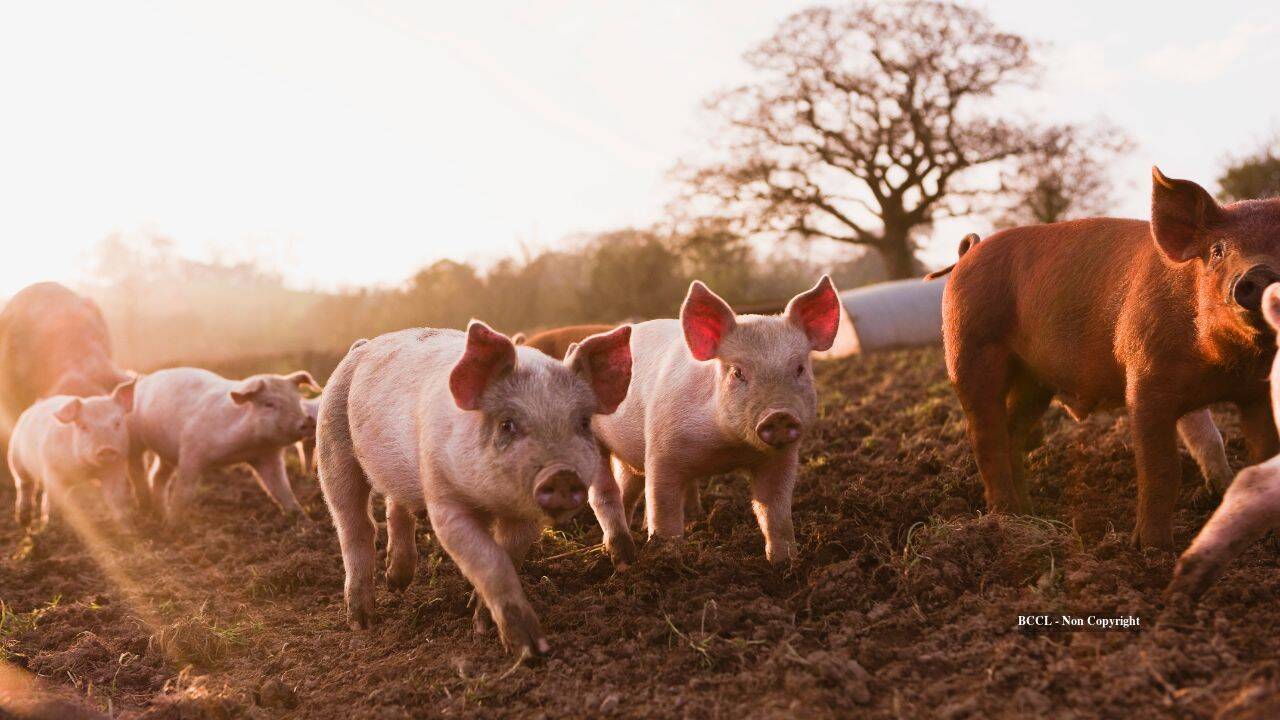
That exact dilemma played out when 17 pigs were rescued right before a massive eradication push on a remote sub-Antarctic island.
You might wonder why anyone bothers saving feral pigs when the entire goal is island restoration. It sounds counterintuitive. Eradication means total removal. Yet, conservation isn't always black and white. Sometimes, saving a specific genetic line matters just as much as pulling weeds or trapping rats.
Let's look at how this rescue unfolded, why these specific animals are irreplaceable, and what it tells us about modern wildlife management.
The Unique History of Sub-Antarctic Pigs
These aren't your average farm hogs. The animals rescued from Auckland Island carry a lineage stretching back over a century. Shipwrecks and deliberate introductions by early European sealers and settlers stranded pigs on the sub-Antarctic Auckland Islands group back in the 1800s.
Isolated from the rest of the world, these pigs faced brutal conditions. Blizzards, freezing temperatures, and relentless winds hammered the islands year-round. They had to adapt or die. Over generations, they developed distinct physical and genetic traits that set them apart from standard domestic breeds.
They grew thick coats. Their bodies adjusted to survive on seaweed, roots, and whatever marine life washed ashore. Natural selection acted as a harsh filter. By the time conservation agencies targeted the Auckland Island feral population for total removal to protect native bird species, those remaining pigs represented a living history book.
Erasing them completely would mean losing a rare genetic reservoir forever. That is why animal welfare groups and heritage breeders stepped in before the Department of Conservation dropped the hammer on the wider population.
The Clash Between Conservation and Heritage
Total eradication sounds harsh. On Auckland Island, feral pigs dug up delicate peat soils, trampled native vegetation, and threatened rare ground-nesting seabirds. Ecologists had a clear mandate. The island needed to go back to its pre-human state. Native albatrosses, petrels, and unique megaherbs needed breathing room.
You can't argue with ecology. Feral pigs wreck native habitats.
At the same time, rare breed enthusiasts looked at the same population and saw living heritage. Standard commercial pork production has homogenized livestock genetics. Heritage breeds are disappearing fast. When groups like the Rare Breeds Conservation Society of New Zealand realized the Auckland Island pigs were facing imminent culling, they mobilized.
This tension creates a fascinating ethical gray area. How do you balance the urgent need to protect endangered native birds with the preservation of a quirky, historically significant mammal population?
The answer, in this case, was extraction. Capture the few, remove them to the mainland, and let the ecologists finish restoring the island.
How the Rescue Operation Worked
Pulling off an animal rescue on a sub-Antarctic island is brutally difficult. The weather changes in seconds. The terrain is a muddy, boggy nightmare. Transporting large, stressed animals across rough Southern Ocean waters requires serious logistics.
Rescuers didn't just walk up and lead them onto a boat. These pigs were wild. They possessed sharp survival instincts. Capturing them safely meant using specialized traps, careful handling protocols, and experienced handlers who knew how to minimize stress.
Once secured, the pigs were transported to the New Zealand mainland. They didn't go straight to petting zoos or backyards, either. Strict quarantine protocols kicked in immediately. Biosecurity laws in New Zealand leave zero room for error. Animal health checks, disease testing, and secure housing ensured these arrivals posed no threat to local livestock populations.
Only a small handful survived the transition and entered breeding programs. Seventeen animals sounds like a tiny number. In genetic terms, though, it is just enough to establish a viable captive population if managed carefully. Breeders track lineages meticulously to avoid inbreeding depression. Every single piglet born from that original group acts as a safeguard against total extinction of the strain.
What This Means for Future Island Restorations
New Zealand leads the world in predator eradication. Projects like Predator Free 2050 aim to purge the country of rats, stoats, and possums. As these ambitious programs scale up, officials will face similar moral puzzles.
When an invasive species also holds heritage value, what is the protocol?
We saw similar debates with Enderby Island cattle and Campbell Island sheep. In each case, passionate advocates fought to pull small groups off the islands before eradication started. These rescue missions prove that modern conservation doesn't have to be a blunt instrument. It can be nuanced.
You can restore a fragile ecosystem while still preserving a unique biological artifact. It takes money, time, and cooperation between government agencies and private breeders, but it is entirely possible.
Moving Forward Responsibly
If you want to understand modern conservation, look past the headlines about numbers and culls. Look at the logistics. Look at the compromises.
Rescuing those 17 pigs wasn't about sentimentalizing farm animals. It was about risk management for biodiversity. Wild populations carry traits we might need down the line, whether for disease resistance or agricultural resilience.
Next time you hear about an eradication project on a remote island, check for the footnotes. Often, behind the heavy machinery and conservation strategy, there is a dedicated group of people working quietly to save a piece of history before it vanishes into the sea. Support local heritage breed registries if you want to keep these bloodlines alive, or simply appreciate the messy, complicated reality of protecting our natural world.