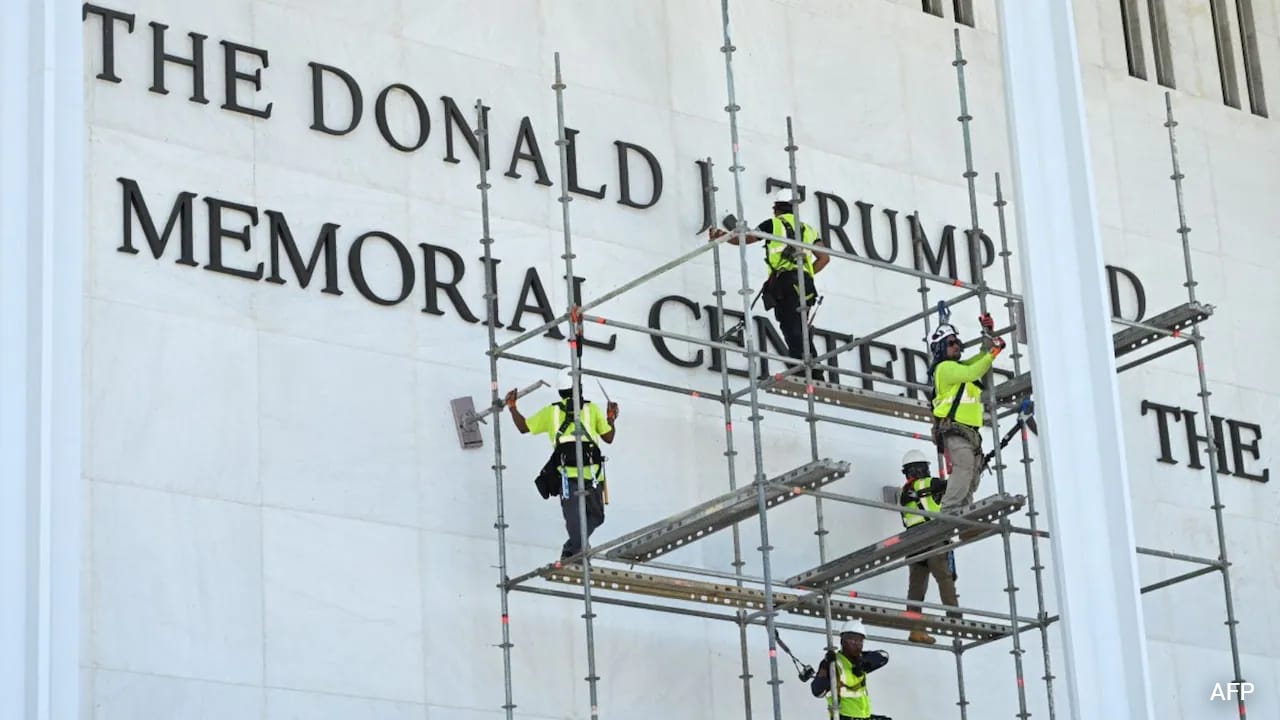
The cultural establishment is currently having a collective meltdown over a headline that should be met with a cold, hard shrug. The board of the Kennedy Center voted to bolt a controversial name onto the limestone facade and shutter its stages for extensive renovations, triggering an immediate wave of pious outrage from the commentariat. Lawmakers are clutching their pearls. Arts purists are writing furious op-eds about the desecration of a national monument.
They are missing the point entirely.
The lazy consensus in modern cultural journalism dictates that any disruption to a legacy arts institution is an act of vandalism. We are told that brick-and-mortar monuments to mid-century modernism must remain static, pristine, and perpetually subsidized shrines to a curated past, untouched by the messy currents of contemporary politics or basic infrastructure realities.
I have watched public-facing cultural boards burn through millions of dollars in deferred maintenance while playing dress-up as defenders of high culture, ignoring the fact that nobody under forty gives a single thought to what is playing on a Tuesday night.
Let us dismantle the sanctimonious hand-wringing piece by piece.
The Myth of the Untouchable Cultural Landmark
Every time a legacy institution undergoes a branding shift or a physical shutdown for a controversial overhaul, the narrative follows a predictable script. Commentators act as though a cathedral of high art is being burned to the ground.
Let us look at the architectural and financial reality beneath the emotional hysteria. The Kennedy Center has been leaking cash, struggling with aging acoustics, and grappling with a patron demographic that is rapidly aging out of existence. The physical plant requires tens of millions of dollars in hard capital improvements. Concrete spalls. HVAC systems from the Carter administration fail. Roofs leak onto million-dollar lobbies.
Yet the outcry is never about the literal roof leaks. It is about the sacred aura of the name.
When you treat a concrete barn on the Potomac as an unalterable deity, you turn it into a mausoleum. Buildings are functional boxes designed to house human experiences. If a physical closure and a contentious administrative battle are what it takes to secure capital, clear out deadwood, and force a complete structural rethink of how a national cultural center operates, then bring on the chaos.
"Institutions do not die from being challenged; they die from becoming irrelevant while everyone politely pretends they are thriving."
The Funding Reality Check Nobody Wants to Hear
Art does not pay for itself on vibes and institutional prestige alone. For decades, the operational model of places like the Kennedy Center relied on a comfortable mix of federal lubrication, wealthy donor pocketbooks, and subscription models targeting a demographic that is slowly disappearing.
When political friction enters the chat—whether through board appointments or naming controversies—the immediate knee-jerk reaction from critics is that art is being corrupted by politics.
Wake up. Art in the capital has always been political.
The original construction of the center was a political project. Its board appointments are political. Its federal funding allocations are political. Pretending that a pristine, apolitical golden age of arts administration ever existed is a comforting delusion for people who collect program playbills and ignore balance sheets.
When a board brings in a disruptive name or forces a shutdown for reconstruction, it achieves something rare in the sclerotic world of non-profit management: it forces attention. It stops the slow, quiet death by irrelevance. Suddenly, millions of people who could not name a single resident orchestra are debating the future of live performance space in America.
The Downside of Disruption
Let us be entirely honest about the risks, because a purely contrarian take that ignores downsides is just marketing.
Forceful restructuring and politicalized boards carry a brutal cost. Alienating traditional donors can punch a massive hole in short-term operating budgets. If the institutional identity becomes too toxic to a core segment of ticket buyers, box office revenue craters before the new demographic ever materializes.
Furthermore, closing doors for renovations often spells doom for resident artists, stagehands, and administrative staff who live gig-to-gig and cannot afford a two-year hiatus while the upper management plays boardroom chess.
I have seen institutions try to shock-therapy their way into relevancy and end up locked in protracted legal battles, bleeding talent while the building sits dark and dusty. The risk of total institutional fracture is real.
But compare that risk to the alternative: a slow, polite, dignified decay into a completely empty room where nobody cares what is on stage anyway.
What the Outrage Machine Misses
The people screaming about the sanctity of the brand are ignoring how cultural consumption actually works in the twenty-first century.
Nobody discovers theater because a building has a bronze plaque from 1971. They engage with culture because an institution takes risks, pisses people off, updates its sightlines, fixes its acoustics, and refuses to act like a museum piece for tourists who want a predictable night out.
If a name change on a marquee and a temporary dark period on the stages forces the establishment to rebuild its foundation from the studs up, it is a small price to pay.
Stop mourning the loss of an imaginary past. The building is just drywall, steel, and seats. It is time to see what survives when you tear the drywall down.