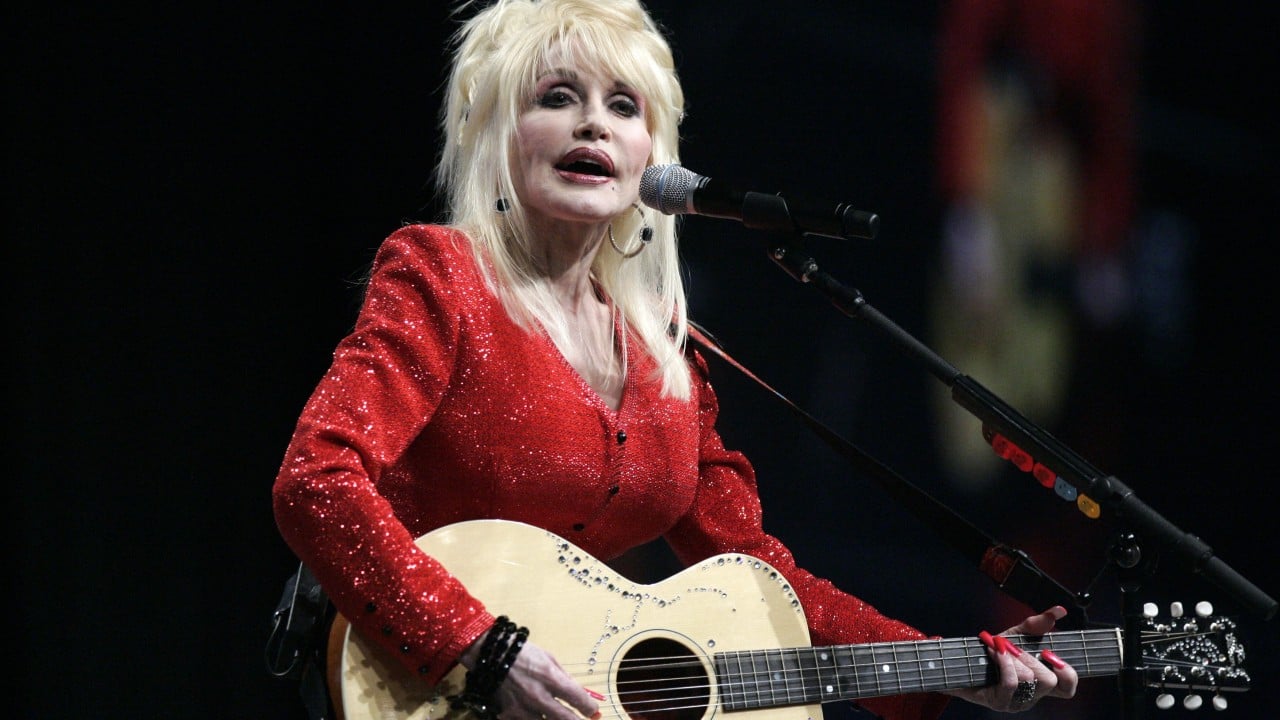
Every morning television retrospective loves to package Dolly Parton into a neat little box of folksy wisdom, sparkling outfits, and canned morning show charm. Watch any highlight reel of her decades-long rotation on morning television, and you get the standard media narrative: the lovable, self-deprecating hillbilly caricature who occasionally strums a guitar and cracks jokes about her own physical appearance.
It is a sanitized, comfortable lie.
The lazy consensus treats Parton as a wholesome artifact who stumbled into pop culture longevity through sheer amiability. This completely misses the ruthless, hyper-intelligent corporate mechanics operating behind the rhinestone curtain. When media outlets assemble their favorite interview clips, they strip away the masterclass in personal branding, copyright ownership, and strategic media manipulation happening right in front of the studio cameras.
The Masterclass in Controlling the Master Rights
Look closely at how television anchors historically framed her. They wanted the folksy punchlines; she gave them the punchlines while quietly executing business maneuvers that left traditional music executives defenseless.
Consider the textbook example of Elvis Presley wanting to record "I Will Always Love You". Colonel Tom Parker demanded half the publishing rights. Any ordinary artist desperate for crossover stardom would have folded under the pressure of the Elvis machine. Parton walked away. That single refusal preserved a catalog asset that eventually generated historic returns when Whitney Houston covered it decades later.
When she sat on morning talk show couches joking that it costs a lot of money to look cheap, she was actively managing public perception. She weaponized self-deprecation to disarm interviewers while maintaining absolute ownership of her image, her likeness, and her master recordings. She was never the naive country singer being guided by slick managers. She was the board room operating in disguise.
The Weaponization of Amiability
Imagine a scenario where a modern corporate executive tries to control every single node of their public intellectual property while maintaining a 100 percent approval rating across deeply polarized demographics. They would fail within six months.
Parton pulled it off for decades by maintaining a strict boundary disguised as open hospitality. Watch her morning show appearances over a forty-year span. Notice how she handles invasive questions about her private life or her appearance. She never loses control of the frame. She answers with a joke that redirects the audience's attention exactly where she wants it—usually toward a new album, a literacy initiative, or her theme park.
Her public relations strategy relied on a brilliant inversion of power. By presenting herself as completely harmless, she gained total freedom to operate as a major media mogul. Her theme park, Dollywood, revitalized an entire regional economy in East Tennessee, transforming her from a recording artist into a structural economic pillar. Yet, morning television segments rarely probe into the complex real estate and labor logistics of her business empire. They preferred to talk about her wigs.
Dismantling the Simple-Minded Myth
"They think I'm simple-minded because I seem to be happy. Why shouldn't I be happy? Maybe I am simple-minded. Maybe that's the key: simple."
That quote is often cited as proof of her down-home philosophy. It is actually a brilliant misdirection. Nobody builds a multi-decade, multi-industry enterprise spanning publishing, film production, philanthropy, and tourism by being simple-minded.
The media loves a simple narrative because complex corporate dominance does not fit neatly into a four-minute morning chat segment before the weather report. By reducing her legacy to heartwarming soundbites, entertainment journalism misses the actual blueprint she left behind. She treated her career as a venture capital portfolio long before artists talk about equity and personal funds.
Stop looking at the television clips for warmth. Look at them for execution. She used the widest broadcasting platforms in the world to advertise an empire she wholly owned, while everyone in the studio thought they were just watching a charming singer tell jokes. That is not folksy charm. That is corporate dominance wrapped in lace and sequins.