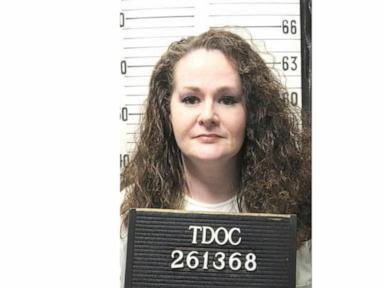
Capital punishment in America rarely makes headlines for what goes wrong before the chemical hits the vein. But late September 2026 shattered conventional expectations regarding Tennessee's death row protocol. Christa Pike, incarcerated for decades following a notorious 1995 murder in Knoxville, survived a botched lethal injection attempt at the Riverbend Maximum Security Institution.
The state wanted a quiet execution. Instead, the process devolved into a chaotic hours-long medical struggle that ultimately forced Governor Bill Lee to halt all remaining state executions for the rest of the year.
The Anatomy of a Botched Procedure
Execution logs and witness accounts reveal that the trouble began long before the lethal drugs were ever introduced. Prison staff spent more than an hour frantically trying to establish an intravenous line. Officials used roughly seven separate needles across multiple insertion sites on both of her arms. Witnesses and legal counsel reported that her veins appeared to have ruptured under the repeated attempts.
By the time the blinds opened at 7:26 PM, Pike was already strapped to the gurney with IV cannulas forced into compromised tissue. She delivered a brief final statement, sang with her spiritual adviser, and expressed that she was ready.
Minutes later, pentobarbital was administered. What followed violated every expectation of a swift, clinical process. Pike complained aloud that her arm felt like it was about to burst. She blinked, smiled, laughed, lifted her head, and kicked off her bedsheets. Even after a secondary procedure was triggered under state protocol, she remained alive, moving, and breathing.
Her defense team scrambled to file emergency stays with the Tennessee Supreme Court while media witnesses were quickly ushered out. Pike was rushed to an outside hospital, unconscious and placed on a ventilator.
Recovery and Legal Limbo
In the weeks following the ordeal, public updates from her defense team shifted from critical care to stabilization. By early October, her lawyers reported that she had regained consciousness, started speaking, and eventually began eating and walking with assistance. She was discharged from the hospital and returned to the Deborah K. Johnson Rehabilitation Center.
In a statement dictated to her lawyers, Pike described waking up alone, confused, and in intense physical and emotional pain. She noted that she never expected to navigate life beyond that execution chamber.
Meanwhile, the legal fallout has intensified. Tennessee officials moved aggressively to block Pike's attorneys from inspecting and testing the leftover pentobarbital from that night. Her defense argues that accessing the remaining drugs is crucial to uncovering exactly why the intravenous procedure failed.
At the same time, prison administration took a direct hit. Tennessee Department of Correction Commissioner Frank Strada announced his resignation amid mounting scrutiny, while an independent former U.S. attorney launched a full investigation into the state's lethal injection infrastructure.
Pike remains under a formal death sentence, but her lawyers are petitioning the governor for a full commutation to life imprisonment without parole. They argue that subjecting any human being to a second execution attempt after surviving such severe institutional failure is unconscionable.
The systemic failures exposed in Tennessee have reignited fierce nationwide debates over the reliability and human cost of capital punishment. Whether this rare survival case alters the legal landscape permanently depends on upcoming court battles and the findings of the state's independent review.
Christa Pike now conscious and speaking following failed execution
This video report covers the legal updates regarding Christa Pike waking up and speaking after surviving a failed execution attempt in Tennessee.